Machu Picchu 4 Days Guided Inca Trail
- 603+ booked
The classic 4-day trail runs on a government quota of 500 people a day, guides and porters included, and peak-season months typically sell out by February or March of the same year.
From $770 per person
Check availability →Next step: see exact pickup times, live prices and real traveller photos on Viator.
Trek the classic Inca Trail over 4 days with hotel pickup from Cusco. Start at KM 82, hike scenic mountain paths, camp 3 nights in tents with meals provided. Reach the Sun Gate on day 4 for your first Machu Picchu view, then enjoy a guided tour of the citadel with free time to explore.
Overview
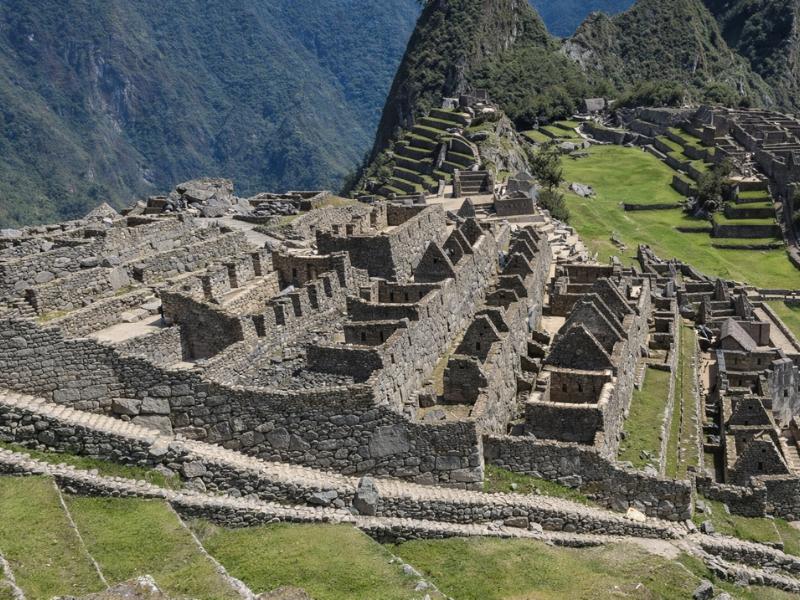
The four-day Inca Trail is the definitive high-altitude pilgrimage to the Incan sanctuary. You begin at the 82km marker, crossing the Urubamba River and entering a protected wilderness where the only way forward is on foot. This is a journey through vertical ecology. You’ll climb from the dry cactus-lined valleys of the first day to the cloud forest where orchids grow on granite walls and the air smells like damp moss. The physical centerpiece is the ascent to Dead Woman’s Pass, a 4,215-meter ridge where the wind is cold and the view covers the jagged peaks of the Vilcabamba range. Each night, you retreat to a camp managed by our porters and chefs, who handle the heavy logistics of tents and fresh meals. Arriving at the Sun Gate at dawn on the final day is a slow reveal of the Citadel that no train or bus can replicate. Because the government restricts this trail to just 500 permits per day, you should book your 4-day Inca Trail six months in advance to ensure your spot.
What's Included
- All camping equipment (Tents and foam mattresses)
- Official Inca Trail and Machu Picchu permits
- Professional guide, porters, and expert chef
- All meals on the trail (3B, 4L, 3D) plus snacks
- Return train tickets and bus to Cusco
- Hotel pickup in Cusco on the first morning
- First-aid kit and emergency oxygen tank
- Sleeping bag and walking sticks (Rentals available)
- Final lunch in Aguas Calientes on Day 4
- Gratuities for the field staff
- Personal travel insurance
- Breakfast on Day 1
Itinerary
- The journey starts in the pre-dawn dark of Cusco with a 4:20 AM pickup. You travel to the 82km checkpoint where you’ll meet the porters and have your passport verified. The first day is an introduction to the landscape, involving a two-hour walk to the ruins of Patallacta. You continue a steady climb to the Huayllabamba camp, where the air starts to cool and the group gathers for a hot dinner in the dining tent.
- Day two is the test of endurance. After a breakfast of hot coca tea and porridge, you begin the four-hour climb to Warmiwañusca, also known as Dead Woman’s Pass. This is the highest point of the trek at 4,215 meters. The terrain is steep stone steps. Once you crest the pass, you descend into the Pacaymayo valley. The mist often rolls in here, covering the peaks as you settle into camp for a night of recovery.
- You cover 15 kilometers on the third day, passing through the "City Above the Clouds" at Phuyupatamarca. The path follows original Incan stonework that winds through tunnels carved into the cliffside. You’ll see the agricultural terraces of Sayacmarca and Wiñay Wayna, where the ruins overlook the river canyon thousands of feet below. This is your final night on the trail, characterized by a celebratory dinner with the trekking team.
- The final morning starts at 3:30 AM to reach the Sun Gate as the first light hits the Citadel. You descend into the sanctuary for a two-and-a-half-hour guided exploration of the main temples and royal quarters. Your guide explains the astronomical alignments of the granite structures before you head down to Aguas Calientes. The trip concludes with a train ride to Ollantaytambo and a private transfer back to your Cusco hotel.
What to Expect
Expect a rigorous 45km (28-mile) hike through extreme elevation shifts. You will experience freezing nights in the high-altitude camps and humid, warm afternoons in the cloud forest. The terrain is dominated by thousands of uneven stone steps that require significant focus and cardiovascular fitness. While our porters handle the tents and kitchen, you are responsible for carrying your daypack and navigating the steep descents. It is a slow, rhythmic challenge that prioritizes endurance over speed.
Machu Picchu Guided Tours Insider Secrets
-
Our clients advise that the descent on Day 2 is actually more painful than the climb. Use rubber-tipped trekking poles to absorb the impact on your knees as you head down the granite stairs.
-
If you want a hot shower, travellers who booked tours with us note that Wiñay Wayna (Day 3) is the only camp that occasionally has them, though the water is usually bracingly cold.
-
Don't bring new boots. Our past travellers warn that if you haven't broken in your footwear with at least 20 miles of walking before you arrive in Peru, you will have blisters by lunch on the second day.
-
Keep your passport in a waterproof bag inside your daypack. You will need to show it at multiple checkpoints along the trail, and the humidity or rain can easily damage the paper.
Best Time to Visit
The Inca Trail is a seasonal environment with conditions that dictate the safety and visibility of the high passes.
| Season | Months | The Experience | The Trade-off |
| High Dry Season | June – Aug | Perfectly clear mornings and the best views from the Sun Gate. | Nighttime temperatures at Pacaymayo can drop below freezing. |
| Shoulder Season | April, May, Sept | The trail is lush with wildflowers and orchids; fewer crowds. | Higher risk of afternoon fog blocking the views from the passes. |
| Rainy Season | Nov – March | Warmest temperatures on the trail; the ruins are quiet. | Heavy rain makes the stone steps slippery; trail closed in February. |
Recommended Start Time: 4:20 AM. This early departure is necessary to clear the government checkpoint at the 82km marker before the midday heat becomes intense on the valley floor.
Frequently Asked Questions
How heavy is the pack I carry?
You only carry your personal essentials (water, rain gear, camera) in a daypack, usually about 5-7kg. The porters carry the tents, food, and your 7kg duffel.
Are there toilets on the trail?
Yes, the government maintains basic latrines at the campsites, and our team often sets up a private portable toilet tent for the group’s use.
What is the food like?
Our chefs prepare high-protein meals including soups, chicken, pasta, and fresh trout. They can accommodate vegetarian or vegan diets if notified in advance.
Is the trail dangerous?
The path is well-maintained but steep. Our guides carry medical oxygen and satellite phones to handle any altitude or health issues immediately.
Do I need to be an athlete?
No, but you should be in good physical shape. We recommend regular hiking or cardio training for at least two months before your trip.
Book it today with Machu Picchu Guided Tours or simply following this link.
Book Machu Picchu 4 Days Guided Inca Trail
Next step: see exact pickup times, live prices and real traveller photos, then pick your date.
★ 5 on Viator · Read more reviews