Best Time to Visit Machu Picchu: Tips From Tour Agency
Best time for Machu Picchu? May and September balance dry weather and smaller crowds. Summer is sunny but packed; wet season is cheaper and beautiful—timing matters.
Weather preferences help choose the format; they do not establish date availability or guarantee a clear viewpoint.
Quick Summary
May and September are the best months for most travelers: dry weather, manageable crowds, and tickets you can actually get without booking six months out. June through August delivers the most reliable sunshine but also the longest bus queues and fastest-selling tickets. The wet season (November to April) is genuinely beautiful, dramatically less crowded, and often 20 to 30% cheaper, but you need to be comfortable with afternoon rain and slightly unpredictable visibility. Whatever month you go, your entry time matters as much as your season.
| May to October | |
| November to April | |
| July and August (busiest), June and May close behind | |
| February (Inca Trail closed), January, March | |
| May and September | |
| 5,600 | |
| 4,500 | |
| ~17 mm | |
| ~151 mm | |
| All of February (annual maintenance) | |
| 2,430 m / 7,970 ft | |
| 20 to 24°C / 68 to 75°F | |
| 21 to 25°C / 70 to 77°F |
What Is the Best Time to Visit Machu Picchu Overall?
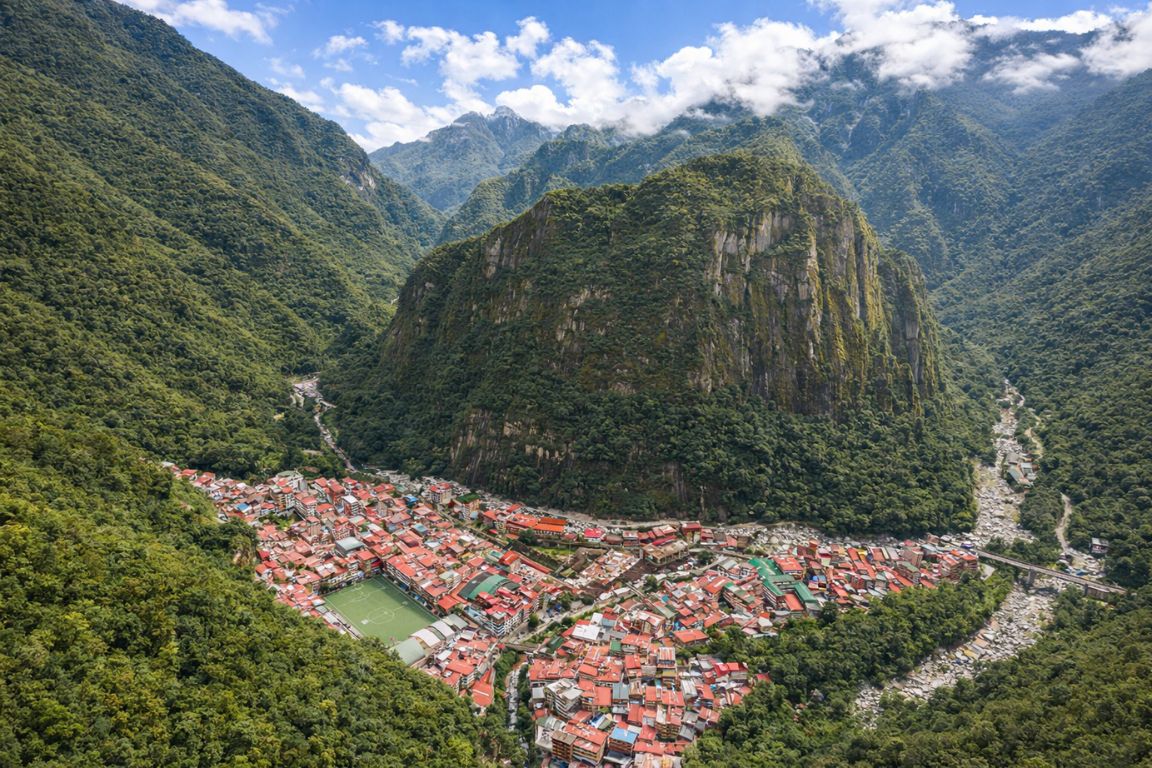
For most travelers, May or September hits the sweet spot: the dry season is either just opening up or winding down, the landscape is lush from recent rains, daily visitor numbers are a fraction of July’s peak, and tickets are still available with 4 to 6 weeks’ notice rather than months. If you can only pick one month, May wins slightly. The site is greener, nights are warmer, and you have the full run of trekking routes before the Inca Trail fills up.
That said, “best” depends heavily on what you’re optimizing for. The question I get most from our travelers before they book is some version of: will it be crowded, will I see anything, and will it rain? Those three concerns pull in different directions depending on the month, and there’s no month that answers all three perfectly.
July and August give you the best odds of a clear sky. But they’re also when Machu Picchu is at its busiest. The bus queue from Aguas Calientes can start forming before 5 a.m., and the most popular photo spots have people stacked three or four deep waiting their turn. The site is stunning regardless, but it’s a different experience than the one most people picture when they plan this trip.
The wet season (November through April) gets dismissed far too quickly. Machu Picchu in January or February is not a ruined trip. It’s a different kind of beautiful: mist rolling off the mountains, llamas grazing against an impossibly green backdrop, and almost nobody else in the frame. What you trade is visibility certainty. Some mornings you’ll get crystal clarity for an hour before clouds roll in. Others you won’t see the peaks at all. That unpredictability is the actual cost of off-season travel here, not the rain itself, which rarely lasts more than a couple of hours at a stretch.
The comparison table below maps the key trade-offs by period:
| May (shoulder) | Mostly dry, green from rains | Moderate, manageable | Good (4 to 6 weeks out) | Mid | First-time visitors, best all-round |
| June to August (peak dry) | Clear, cold nights, very little rain | Very high, peak | Book 3 to 6 months ahead | High | Certainty seekers, Inti Raymi (June) |
| September (shoulder) | Dry tapering off, warming | Moderate, thinning | Good (4 to 6 weeks out) | Mid | Hikers, photographers, repeat visitors |
| October to November (early wet) | Showers increasing, lush | Low | Easy (1 to 3 weeks out) | Low-Mid | Budget travelers, crowd avoiders |
| December to January (wet season) | Rain most afternoons, warmest | Low (except Christmas and NY) | Easy | Low | Atmospheric photography, intimate visits |
| February (wet season) | Wettest month, heavy rain | Lowest of the year | Very easy | Lowest | Solitude seekers (Inca Trail closed) |
| March to April (late wet) | Tapering rain, green, warming | Low-moderate | Easy-moderate | Low-Mid | Value travelers, lush landscape lovers |
We guide travelers in every one of those periods. Nobody has ever called us from the ruins to say they wish they hadn’t come. What they do sometimes say, in the peak months, is that they wish they’d arrived earlier in the morning.
First time visiting the ruins? Here’s how to visit Machu Picchu guided tours so you don’t show up unprepared for the entry system or miss out on booking a guide.
What Is Machu Picchu Like in the Dry Season (May to October)?
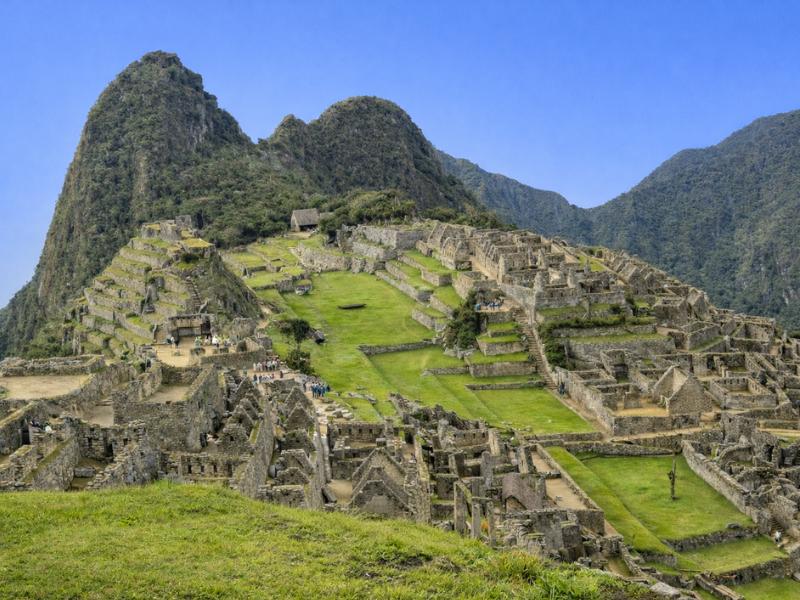
The dry season brings clear mornings, reliable trail conditions, and the iconic photographs most people associate with Machu Picchu: sharp stonework against a deep blue sky. It also brings the highest visitor numbers of the year, peak accommodation prices, and tickets that disappear weeks or months before your intended travel date. June through August is the crowded sweet spot; May and September give you most of the weather benefits with significantly fewer people.
What surprises most of our travelers in the dry season is the cold. Because it coincides with Peru’s winter, nighttime temperatures in Aguas Calientes and Cusco can drop sharply, sometimes to freezing or below at higher elevations. The ruins themselves feel comfortable during the day, but if you’re in line for the first bus at 5:30 a.m., you’ll be standing in cold mountain darkness. Layers are not optional.
May is arguably the best single month to visit. The landscape still carries the deep green of the wet season, the terraces are lush, the surrounding mountains vivid, but rainfall has tapered to almost nothing. It’s not yet peak season, which means the site feels spacious by comparison and tickets are genuinely available without military-grade advance planning. By June, the crowds build noticeably, and July and August hit the highest visitor numbers of the year.
August gets a particular reputation among guides. It’s the busiest month by raw ticket sales, the landscape has gone dry and brown from months without rain, and the wind picks up noticeably. Locals call it the “windy month.” It’s still a fantastic visit; nothing takes away from the architecture or the setting. But if you have flexibility and someone tells you August is the obvious choice, push back a little and consider September instead. The weather is still reliable, the crowds thin, and temperatures begin warming up toward spring.
One more thing worth knowing: “dry” is relative at this altitude. Even in July, afternoon clouds can roll in and briefly obscure the peaks. The difference between dry and wet season isn’t sun versus rain, it’s predictability. In July you can count on clear mornings most days. In January you can’t.
| January | Wet | 21 to 24°C / 70 to 75°F | Very high (~150+ mm) | Low | Yes | Good for solitude; rain is real |
| February | Wet (peak) | 21 to 25°C / 70 to 77°F | Highest of year (~170+ mm) | Lowest | No (maintenance) | Most intimate; wettest month |
| March | Late wet | 21 to 24°C / 70 to 75°F | High (~151 mm) | Low | Yes (usually) | Improving; still lush |
| April | Transition | 19 to 22°C / 66 to 72°F | Moderate, tapering | Low to moderate | Yes | Very good; green, fewer crowds |
| May | Dry (early) | 18 to 22°C / 64 to 72°F | Low | Moderate | Yes | Excellent; best all-round month |
| June | Dry (peak) | 17 to 20°C / 63 to 68°F | Very low (~17 mm) | High | Yes | Great weather; Inti Raymi week busy |
| July | Dry (peak) | 17 to 20°C / 63 to 68°F | Minimal | Very high | Yes | Clearest skies; most crowded |
| August | Dry (peak) | 18 to 21°C / 64 to 70°F | Minimal, windy | Very high (busiest) | Yes | Reliable weather; brown landscape |
| September | Dry (late) | 19 to 22°C / 66 to 72°F | Very low, increasing | Moderate | Yes | Excellent; crowds thinning fast |
| October | Transition | 20 to 22°C / 68 to 72°F | Low to moderate (~94 mm) | Low to moderate | Yes | Very good; underrated month |
| November | Wet (early) | 20 to 23°C / 68 to 73°F | Moderate, building | Low | Yes | Good value; hidden gem |
| December | Wet | 21 to 24°C / 70 to 75°F | High | Low (spikes over Christmas) | Yes | Quiet early December; avoid holidays |
What Is Machu Picchu Like in the Wet Season (November to April)?
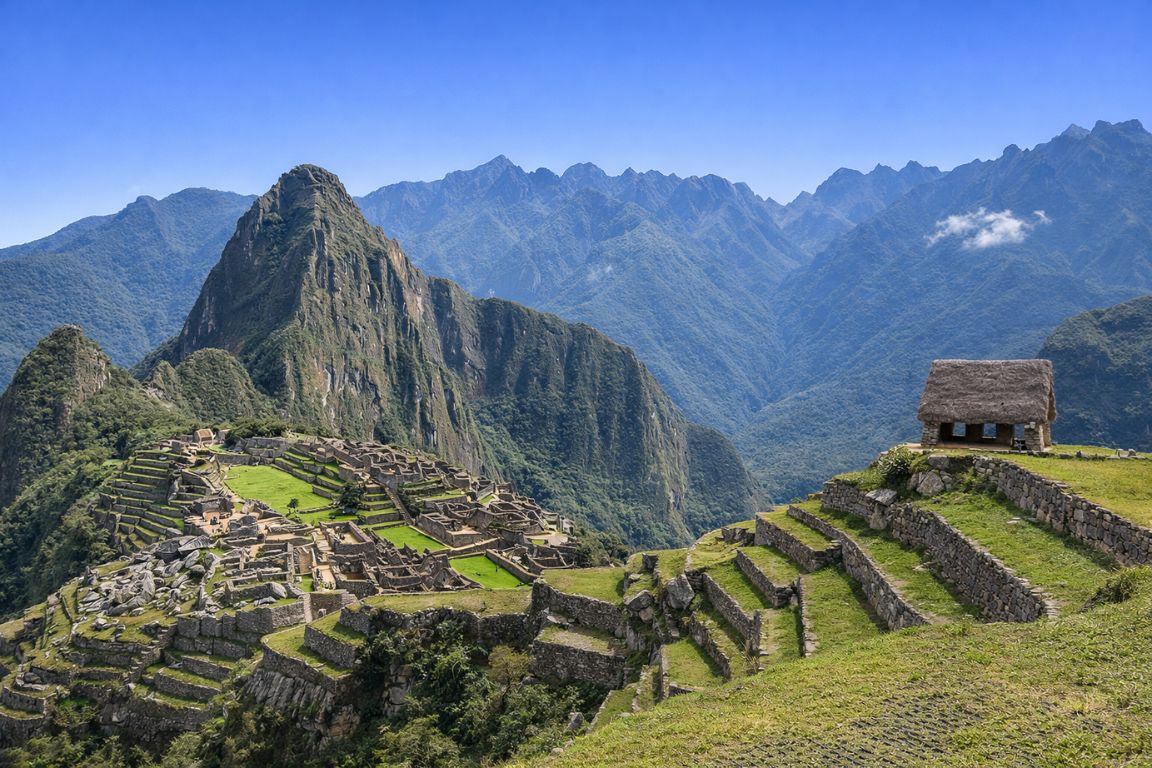
The wet season doesn’t ruin Machu Picchu. It transforms it. Rainfall usually comes in the afternoon, which means mornings are often clear and the ruins are quiet enough that you can stand at the Guardian House viewpoint without negotiating space with anyone. What you’re accepting is unpredictability: some days you’ll get brilliant visibility all morning; others, cloud will sit over the mountains and not shift. The accommodation savings (often 20 to 30% below peak rates) and absence of queues are real. So is the rain.
The rain pattern matters more than the total rainfall numbers. In the deep wet season (January to February), you can typically expect clear or partly cloudy conditions from opening until around midday, then a heavy shower lasting one to two hours in the early afternoon, followed by clearing again toward late afternoon. That pattern is not guaranteed, but it’s consistent enough to plan around. The travelers who struggle most in the wet season are those who arrive expecting dry conditions and pack accordingly. The ones who do best treat rain as a scheduling constraint rather than a failure state.
February deserves its own mention. It’s the wettest month by a significant margin and the only month where the Inca Trail closes (annually for maintenance, with occasional extensions into March if landslides require additional repair). For the citadel itself, February is extraordinary for solitude. Visitor numbers are at their lowest of any month, and what you lose in clear skies you gain in an almost private Machu Picchu. I’ve guided groups in February who said it was the most moving experience precisely because of the mist. The ruins emerge from and disappear into cloud in a way that photographs can’t fully capture.
November and April function as buffer months. November is entering the wet season but still has stretches of sunny weather; some guides consider it a hidden gem, with tourist traffic low and conditions still decent. April is the mirror image, technically still the wet season but with rainfall tapering fast and the terraces at their most intensely green from months of rain. Both offer good value and reasonable conditions for people who want to avoid the July crush without fully committing to heavy wet-season weather.
One practical note: the Inca Trail (book tour here) accepts far fewer hikers in the wet season, which actually makes permits easier to get. All other trekking routes (Salkantay, Lares, Choquequirao) remain open and are viable in the wet months with proper gear.
When Is Machu Picchu Most Crowded, and How Do You Avoid the Crowds?
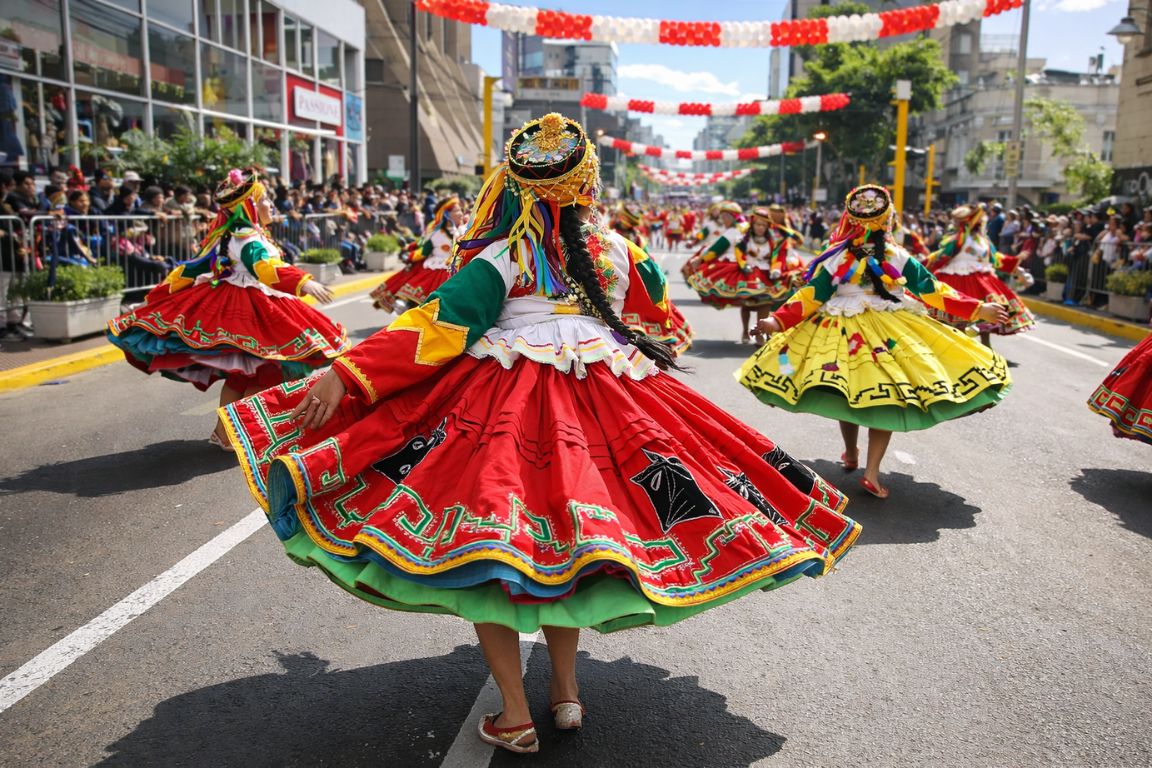
July and August are the busiest months, followed closely by June and late May. Within those months, the heaviest concentration hits between 9 a.m. and 2 p.m., when organized day-trip groups from Cusco and Aguas Calientes arrive in waves. The single most effective crowd-avoidance strategy isn’t choosing a different season. It’s staying overnight in Aguas Calientes so you can enter at 6 a.m. before the bus queue forms and the tour groups arrive.
The daily visitor cap matters here. Machu Picchu limits entries to 5,600 people during high season and 4,500 during low season. Those numbers sound large, but they arrive in concentrated windows. The first two entry slots (6 a.m. and 7 a.m.) tend to be the quietest at the actual ruins, not because the site has fewer tickets, but because most visitors arrive later. The majority of travelers taking day trips from Cusco don’t reach Aguas Calientes until mid-morning, board a bus, and walk through the main gate somewhere between 9:30 a.m. and 11:30 a.m.
Specific crowd pressure points to plan around:
- July 28 to 29: Peruvian Independence Day. Domestic tourism spikes hard, and tickets for these specific dates sell out faster than almost any other day of the year.
- June 24 (Inti Raymi week): The Inca Sun Festival draws significant crowds to the entire Cusco region. Machu Picchu gets busy, and trains and hotels fill up well in advance.
- Christmas and New Year (Dec 25 to Jan 1): An anomaly in the wet season. Visitor numbers spike despite the rain, driven by international holiday travel.
- Weekends throughout peak season: Noticeably busier than mid-week. Tuesday through Thursday are the calmest days at the site.
The structural crowd fix is overnight accommodation in Aguas Calientes. It costs more than a day trip from Cusco, but it buys you access to the first bus departure (around 5:30 a.m.) and the ability to enter at 6 a.m. when the light is best and the site is quietest. Groups coming from Cusco on the morning train simply cannot beat you there. The 2-day tour from Cusco includes a night in Aguas Calientes, which is how you reach the first bus. The extra hotel night pays for itself in experience.
Peak-season logistics are genuinely complex: entry timing, bus queues, circuit selection, and overnight logistics all interact. A guided tour with ticket booking combines entry and a guide in one reservation, which is the part that usually needs to be locked in first.
What Time of Day Should You Enter Machu Picchu?
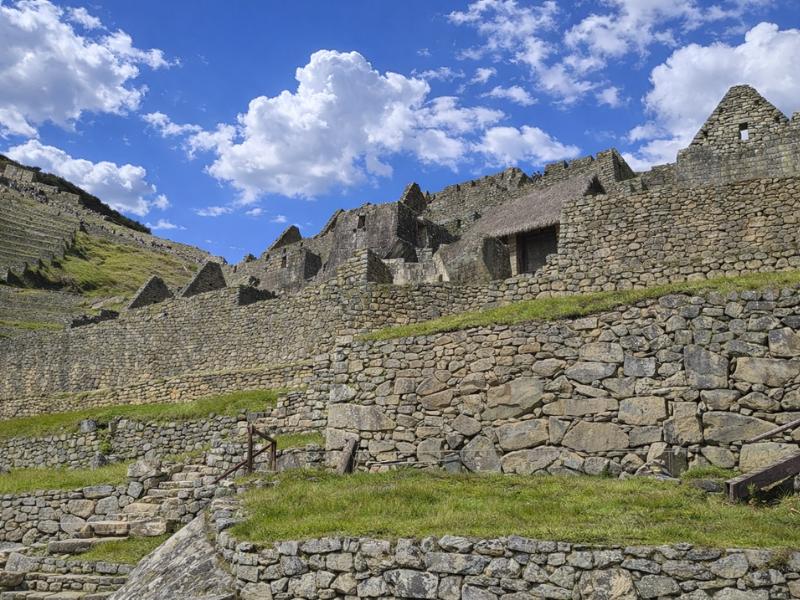
6 a.m. is the most rewarding entry time for most travelers: the light is dramatic, the site is at its quietest, and you have the main viewpoints largely to yourself for the first 30 to 45 minutes. If a 6 a.m. slot isn’t available (they sell fast), aim for the last afternoon slot rather than the mid-morning window. Arriving between 10 a.m. and 1 p.m. means walking into the peak crowd wave with the least favorable light for photography.
The time-of-day question interacts directly with where you’re sleeping. If you’re staying in Aguas Calientes (the town at the base of the mountain), you can get on the first bus and be at the gate before 6 a.m. If you’re doing a day trip from Cusco or the Sacred Valley, your first realistic entry is probably 9:30 a.m. or later, which lands you squarely in the busiest window.
There’s a specific phenomenon in the afternoon worth knowing about. Many visitors, especially those on day trips from Cusco, catch trains back to the Sacred Valley between 1 and 3 p.m. The site genuinely quietens after 2:30 p.m. in peak season, and the late afternoon light on the stonework is extraordinary. The last entry slot (currently around 4:30 to 5 p.m., confirmed at tuboleto.cultura.pe for your specific date) gives you roughly an hour before closing, but that hour has a different feel than any other time of day.
The mid-morning trap is real. Travelers who arrive between 9 and 11 a.m. are walking against the grain, into crowds rather than away from them. The ruins are still magnificent, but the experience of standing at the Guardian House viewpoint while 300 people queue behind you is measurably different from standing there with a handful of others at 6:15 a.m.
In the wet season, time of day matters even more because of the rain pattern. Entering at 6 a.m. gives you the best odds of a clear morning window before the afternoon showers arrive. Late-afternoon entries in the wet season can be beautiful too. Sometimes the afternoon storm clears and the mountains emerge golden and sharp, but it’s less predictable.
| 6:00 a.m. | Very low (first 30 to 45 min) | Golden hour, dramatic | Photography, Guardian House viewpoint | Stay overnight in Aguas Calientes; take first bus (~5:30 a.m.) |
| 7:00 a.m. | Low to moderate | Good morning light | First-time visitors wanting calm start | Stay in Aguas Calientes; second bus departure |
| 8:00 to 9:00 a.m. | Moderate, building | Clear, bright | Day-trippers arriving on early train | First realistic option from Cusco day trip |
| 10:00 a.m. to 1:00 p.m. | Peak (avoid if possible) | Harsh midday light | No specific advantage | Most day-trip groups arrive in this window |
| 2:00 to 3:00 p.m. | Moderate, thinning | Warming afternoon | Wet-season visits; post-shower clarity | Day-trippers leaving for trains; site clears |
| 4:30 to 5:00 p.m. (last slot) | Very low | Golden late-afternoon | Quiet atmosphere, unusual light | Requires overnight stay; roughly 1 hour at site |
Does the Season Affect What You Can See or Do at the Site?
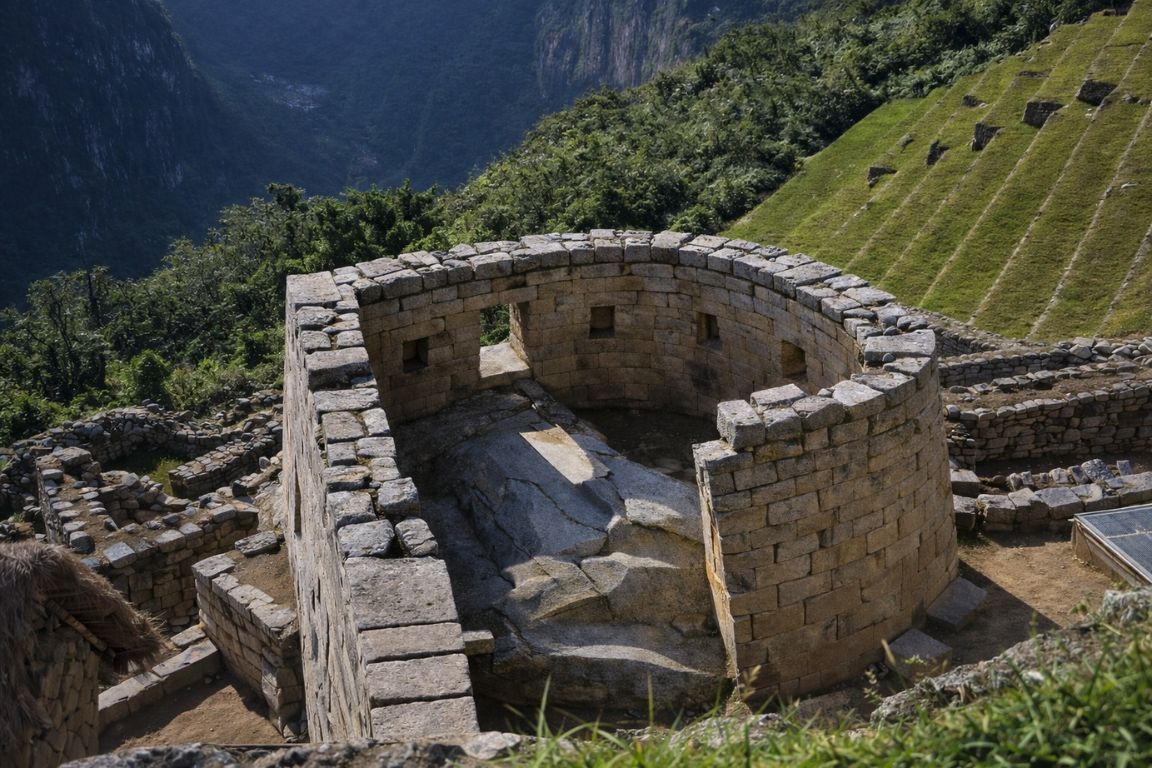
Yes, meaningfully. The primary seasonal impact on what’s available isn’t the citadel itself (which stays open year-round) but the mountain hikes attached to it. Huayna Picchu and Machu Picchu Mountain have strict daily ticket caps and become genuinely dangerous when wet. The Inca Trail closes all of February. And the terraces, vegetation, and surrounding scenery look so different between July and January that experienced visitors sometimes struggle to believe they’re looking at photos of the same place.
On the mountain hikes: Huayna Picchu (book tour here) (the dramatic peak behind the citadel that appears in most classic photos) and Machu Picchu Mountain (the higher, less-steep alternative) both have fixed daily limits, typically 400 and 800 visitors respectively, though confirm current caps at tuboleto.cultura.pe. Both sell out faster than standard circuit tickets during peak season, often months ahead. In the wet season, these hikes require real caution. The steps on Huayna Picchu are steep and narrow; wet stone at that pitch is not safe for travelers without trail experience and proper footwear. Several operators stop recommending Huayna Picchu in the wetter months for that reason alone.
For the citadel itself, the main circuits remain open throughout the year. What changes is visibility rather than access. In July, the mountain backdrop is almost always clear and sharp. In January, you might walk from building to building through shifting cloud, catching the Temple of the Sun or the Intihuatana in brief, perfect clarity before the mist closes in again. For some travelers, that’s a diminished experience. For others, particularly photographers who find the standard clear-sky shot overfamiliar, the wet-season light is more interesting.
Wildlife is worth mentioning. Andean spectacled bears are more active during the wet season; llamas are present year-round on the terraces. Bird activity is generally higher when the vegetation is densest, which means November through April is better for birders than August, when the landscape around the ruins has dried to brown.
One more seasonal detail: the winter solstice alignment at the Intihuatana stone (a carved stone sundial in the ceremonial center) occurs around June 21. The site doesn’t hold official ceremonies for public visitors, but the astronomical significance of that date draws people who want to be there at that specific moment. If that’s part of your reason for visiting, June is your month, with the understanding that you’re arriving in peak season.
If you’re staring at the booking page wondering what the circuits mean, here’s Machu Picchu ticket types explained so you don’t accidentally book the wrong one.
What Our Travelers Tell Us About Each Season
After 16 years and 1,600+ travelers, we track what people tell us when they return. The table below reflects responses from our 2024 to 2025 client groups across all seasons.
| Season | % Who Said “Exceeded Expectations” | % Who Recommended Morning Entry | % Who Experienced Rain Disruption | % Who’d Return in Same Season | Top Feedback Theme |
|---|---|---|---|---|---|
| Dry season (Jun to Aug) | 75-85% | 90-95% | 5-15% | 80-90% | “Crowds were manageable with early entry” – Stunning clear views and sunrise magic, but peak crowds require advance planning; morning slots highly praised to beat tour groups. |
| Shoulder (May / Sep) | 85-95% | 85-90% | 15-25% | 90-95% | “Best balance of weather and space” – Ideal mix: mostly dry/clear, fewer crowds than peak, greener landscapes, great value; often called the “sweet spot” for satisfaction. |
| Wet season (Nov to Apr) | 70-85% | 80-90% | 40-60% | 65-80% | “Rain cleared and we had the ruins to ourselves” – Lush, misty scenery and low crowds create a magical/serene feel; rain often afternoon/short, but some face disruptions (e.g., wet trails, occasional train delays); early entry still key for clearer mornings. |
What Should You Pack Depending on the Season?
The packing logic for Machu Picchu is simpler than most people expect: layers are mandatory in every season, a rain layer is mandatory in every season, and sunscreen matters more than most visitors anticipate because altitude dramatically intensifies UV exposure. The main seasonal variable is how much rain gear you prioritize and how warm your base layers need to be.
One thing that catches people off-guard: the dry season is colder than the wet season. Because dry-season skies are clear at night, heat escapes rapidly, and temperatures in Cusco and at the higher mountain hikes can drop below freezing. If you visit in July, you’ll be comfortable in short sleeves at noon and shivering in a down jacket by 5 a.m. The wet season runs warmer overnight but wetter during the day. The humidity alone means you’ll feel cooler than the temperature suggests when it’s raining.
A few specifics that apply year-round regardless of season:
- Backpack size: The site enforces a 40 x 35 x 20 cm maximum. Large hiking packs are not permitted through the gates. If your bag is bigger, you’ll need to check it in lockers outside the entrance and transfer belongings to a day pack. Don’t let this catch you out.
- Rain poncho vs. jacket: A good waterproof jacket beats a cheap poncho in strong wind. But a backup poncho weighs almost nothing and is worth having in the bag regardless of season.
- Footwear: Non-slip soles matter year-round. The stone pathways can be slippery even when dry due to polish from millions of visitors. In the wet season this is compounded significantly.
- Sunscreen: At 2,430 meters, UV radiation is intense enough to cause serious burns quickly, even on overcast days. This is consistently underestimated.
For dry-season visitors specifically: bring an insulating mid-layer (fleece or light down jacket) that you can strip off as the day warms up. Cold mountain mornings transition to comfortable afternoons; dressing in strips is the right approach. For wet-season visitors: waterproof your electronics and anything you can’t afford to get wet, and pack quick-dry clothing rather than cotton. Wet cotton in mountain air at altitude is genuinely uncomfortable.
Need a packing list for the ruins? Our guide on what to wear to Machu Picchu guided tours covers everything from layers to footwear that won’t slip on those stone steps.
Common Mistakes That Ruin the Timing (And How We See Them Play Out)
After 16 years at this site, certain patterns repeat. The most common timing mistake isn’t choosing the wrong season. It’s underestimating how fast the best entry slots sell out. Travelers who decide on Machu Picchu four weeks before a July trip and then discover that 6 a.m. Circuit 2 slots are gone. This happens constantly. The official booking platform (tuboleto.cultura.pe) is accurate in real time; if it’s showing nothing for your date, that’s the real situation, not a system error.
The second most common mistake is conflating “dry season” with “no rain.” Even in July, afternoon clouds are a regular feature, and occasional showers happen. Travelers who leave rain gear in the hotel because it looks clear in the morning sometimes get caught. The third is skipping an overnight in Aguas Calientes to save money and then spending that saved money on a mid-morning entry experience with 3,000 other people.
And the least obvious one: visiting on a Peruvian national holiday without knowing it. July 28 to 29 (Independence Day) and June 24 (Inti Raymi) are the two dates that catch international visitors most off-guard. Both are fantastic cultural moments if you’ve planned for them. Both are brutal if you haven’t.
Frequently Asked Questions
Is Machu Picchu worth visiting in the rainy season?
Yes, with clear expectations. Machu Picchu in the wet season (November to April) is less crowded, less expensive, and dramatically greener. The risk isn’t constant rain. Most days deliver a clear or partly cloudy morning before afternoon showers. What you can’t guarantee is a perfectly clear mountain backdrop. If your primary goal is the iconic blue-sky photograph, dry season is more reliable. If your priority is an uncrowded, atmospheric, and affordable visit, the wet season delivers.
What month is least crowded at Machu Picchu?
February has the lowest visitor numbers of any month, largely because the Inca Trail is closed and international travel patterns tend to avoid deep wet season. January and March are the next quietest. All three months carry real rain; February is the wettest. If you want genuine solitude at the ruins without the distraction of crowds, February is the most extreme version of that experience.
How far in advance do I need to book Machu Picchu tickets?
For June, July, and August: 3 to 6 months in advance for the entry slots and times you actually want. For May and September (shoulder): 4 to 6 weeks is usually sufficient, though specific circuit and time combinations may sell earlier. For the wet season (November to March): 1 to 3 weeks in most cases, with February the easiest. All tickets are sold through the official government platform at tuboleto.cultura.pe. Third-party resellers charge premiums for the same tickets, so buy direct.
What is the weather like in Machu Picchu in May?
May marks the official start of the dry season and is widely considered one of the two best months to visit (alongside September). Daytime temperatures at the ruins average 18 to 22°C (64 to 72°F), nights are cool but not freezing, and rainfall drops sharply from the wet season peaks. The landscape retains the deep green of the rainy season while offering mostly clear skies. Crowds are noticeably lower than June through August.
Does Machu Picchu close in February?
No. The citadel itself stays open in February. What closes is the Inca Trail, which undergoes mandatory annual maintenance throughout February (and sometimes into early March during heavy rain years). Visitors can still reach Machu Picchu in February by train to Aguas Calientes and then bus to the entrance. The site is operational and, in some ways, at its most peaceful during this month.
Is October a good time to visit Machu Picchu?
October is an underrated month. The dry season is winding down, which means occasional showers, but tourist numbers have dropped from the August peak and the landscape starts greening up again. Temperatures are warming, trains and tickets are more available, and accommodation prices are more reasonable. For travelers with flexibility who want to avoid peak crowds without fully committing to wet-season conditions, October is a genuine sweet spot.
Ready to Plan Your Visit?
Picking your month is the first step. The next is making sure your entry time, circuit, and logistics are set up to actually deliver the experience you’re planning for, not the one left over after better-prepared travelers book ahead.
Dated departures run in every season, from July through January. A 2-day tour with Sacred Valley and train is a structure that works across that range. Tickets, trains, and a guide are bundled on the all-inclusive private train tour.
Start Planning Your Machu Picchu Visit
Peru Machu Picchu Excellence Award 2025 • Inca Trail Explorer Choice Award 2024 • Cusco Region Sustainable Heritage Tourism Award 2024
Diego Alejandro Ramirez is a Peruvian-born guide who has been leading groups through Machu Picchu since 2009, across every season, every circuit, and in weather ranging from cloudless July mornings to January downpours that turned the terraces into waterfalls. He is the founder of Machu Picchu Guided Tours and has guided over 1,600 travelers from more than 40 countries.
Match The Itinerary To Your Travel Month
Check your date before arranging the rest. We may earn commission through this booking link.