Machu Picchu Ticket Types Explained (Circuit 1, 2, 3)
Machu Picchu now has 3 circuits and 10 routes. Choose wrong and you’ll miss half the ruins—here’s the right ticket for first-time visitors in 2026.
A flexible-circuit booking is not a promise of Circuit 2. Mountain access and a standard citadel circuit are separate decisions.
| Total circuits | 3 (Panoramic, Classic, Royalty) |
| Total routes | 10 (some high-season only) |
| Base ticket price (Circuit 1, 2 standard) | S/152 (~$40 USD) for foreign adults |
| Mountain add-on tickets (Huayna Picchu, Machu Picchu Mountain) | S/200 (~$53 USD) |
| Daily capacity | 4,500 (low season) / 5,600 (high season) |
| Huayna Picchu daily limit | 400 visitors (entry: 7:00 AM and 9:00 AM) |
| Machu Picchu Mountain daily limit | 800 visitors |
| Visit duration (standard circuits) | 2 to 3 hours |
| Visit duration (mountain add-ons) | 5 to 7 hours total |
| Re-entry allowed? | No |
| Can you switch circuits at the gate? | No |
| Official booking platform | tuboleto.cultura.pe |
| Prices verified | February 20, 2026 |
How Does the Machu Picchu Circuit System Work?
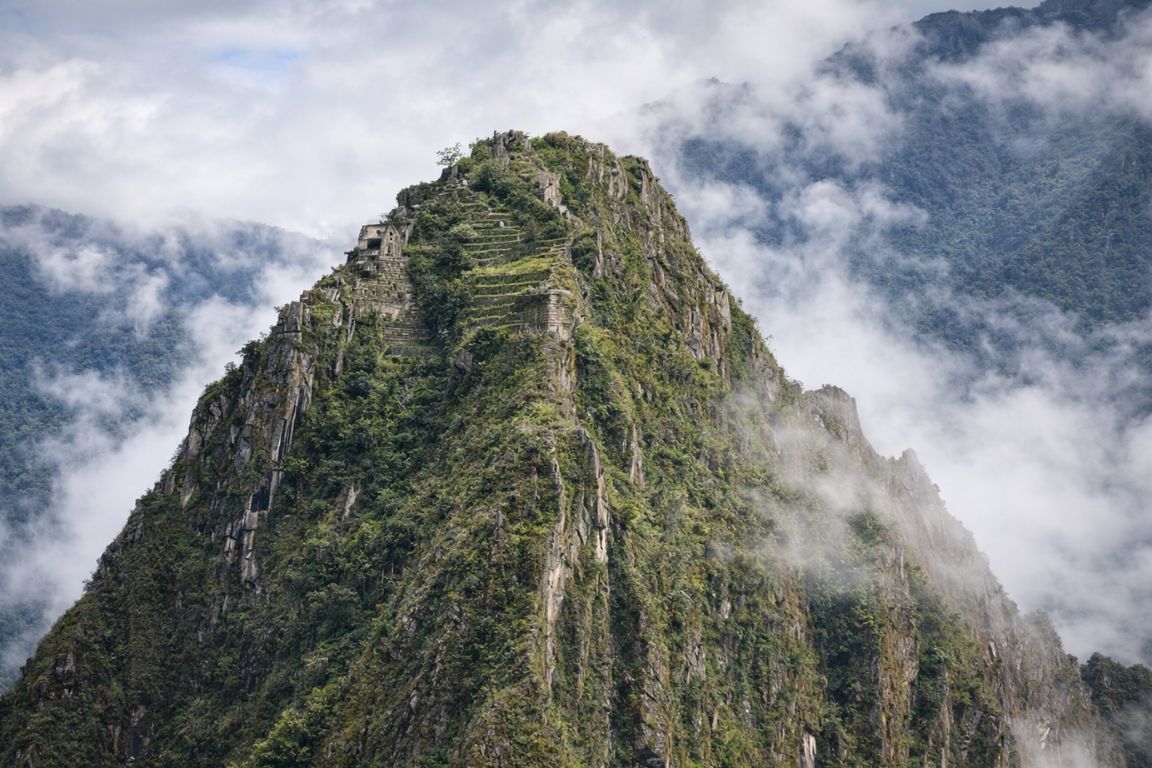
Since June 2024, Peru’s Ministry of Culture reorganized Machu Picchu into 3 main circuits containing 10 total routes. Every ticket is locked to one specific circuit, one specific route, and one specific entry time. The site flows in a single direction. You cannot backtrack, switch circuits mid-visit, or re-enter after leaving. You pick your circuit when you book, and that decision shapes everything you’ll see and experience.
Before the circuit system, visitors wandered Machu Picchu freely, and overtourism was crushing the site. Paths eroded, the most photogenic spots became gridlocked, and conservation was suffering. The Ministry’s solution was to create structured one-way flows, each with a different purpose, so no single section bears the full weight of thousands of people per day.
Here’s the part most travel blogs skip: the three circuits don’t overlap. They access fundamentally different areas. Circuit 1 stays on the upper periphery. Circuit 2 goes through the heart of the ruins. Circuit 3 cuts through the lower royal sector. You can see Huayna Picchu (book tour here) from Circuit 2, but you can’t climb it. You can look down at the Sun Temple from Circuit 2, but Circuit 3 is the only way to enter it from below. The circuits are complementary by design, not interchangeable.
We’ve answered the question is hiking Huayna Picchu dangerous in Machu Picchu guided tours with details on what makes the trail challenging and who should think twice before booking.
As of February 2026, Circuit 2 Routes 2A and 2B are sold out through May 2026. If you’re reading this mid-planning, check TuBoleto immediately. But read through this guide first so you know exactly what you’re buying.
What Do You See on Circuit 1 (Panoramic)?
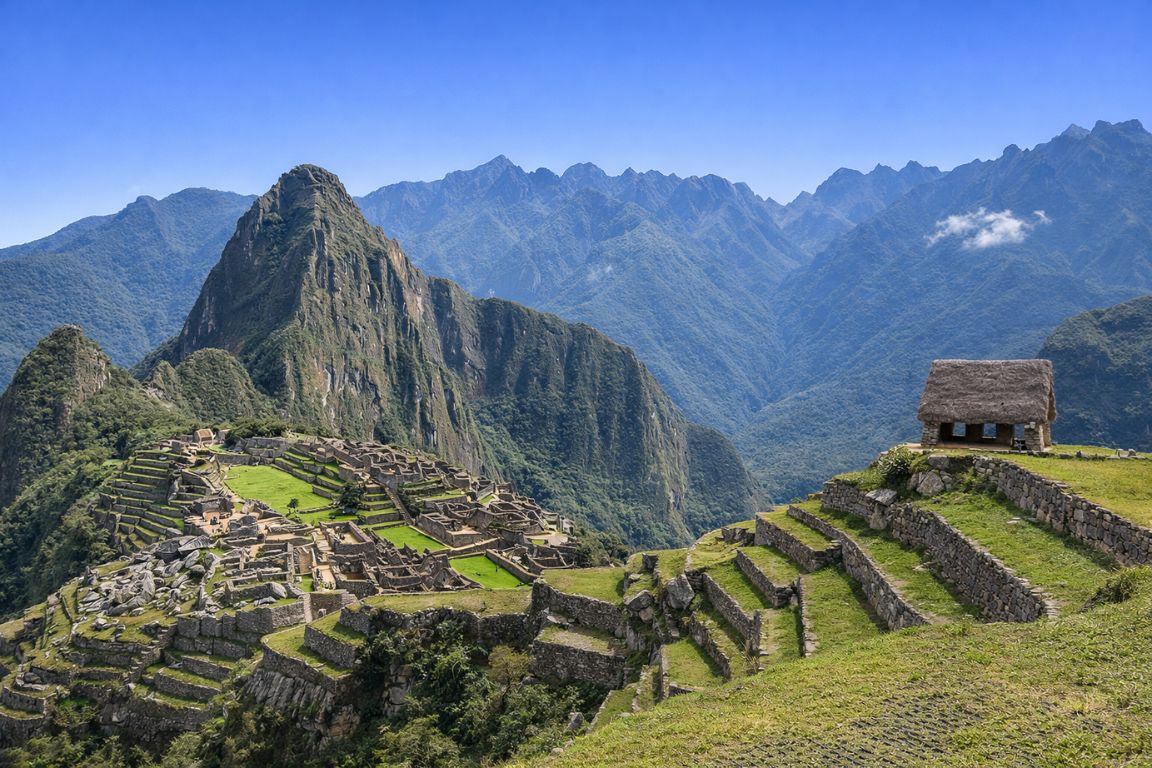
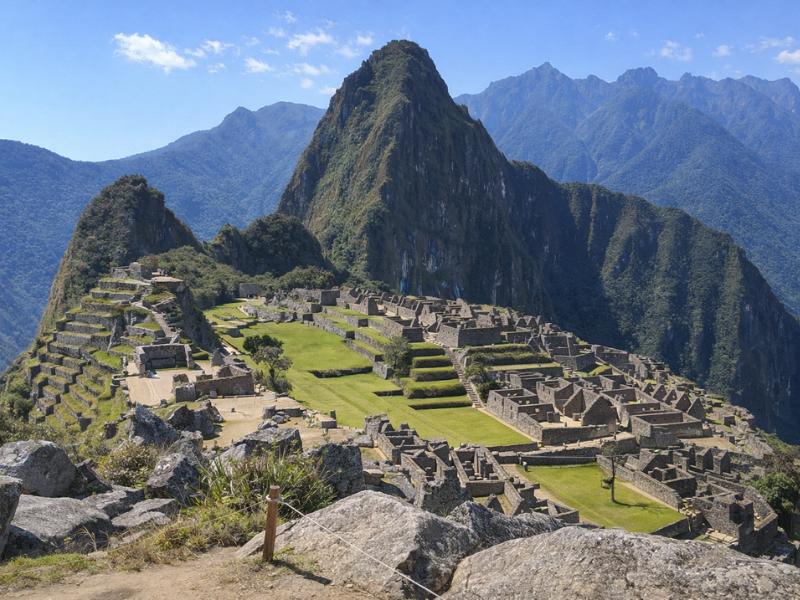
Circuit 1 is built for views, not ruins. It keeps you on the upper terraces and periphery of the citadel, delivering the widest-angle perspectives of the site and the surrounding mountain valley. You’ll see Huayna Picchu rising behind the ruins, the agricultural terraces dropping into the canyon, and the famous Guardian’s House viewpoint. But you won’t walk through the temples, plazas, or residential sectors at close range.
Four routes live inside Circuit 1, though two only open during high season.
Route 1-A is Machu Picchu Mountain. This is the big one: a 3.2 km round-trip climb with about 610 meters of elevation gain, taking most visitors 3 to 5 hours total including the citadel section. The views from the summit are wider than from Huayna Picchu. You’re looking down at both the ruins and at Huayna Picchu itself. Limited to 800 visitors per day, entry windows at 7:00 AM and 9:00 AM. The ticket includes time on the upper terrace for the postcard photo before or after the climb.
Route 1-B is the Upper Terrace, and this is the most direct way to the iconic photograph. You walk up to the Guardian’s House area, take in the view, and exit. At about 2 hours, this is Machu Picchu’s shortest and most focused experience. Ideal for travelers with limited mobility, limited time, or anyone doing a second visit who already saw the ruins and just wants the viewpoint again without the full walk.
Routes 1-C (Intipunku Gate trail) and 1-D (Inca Bridge) are only available during high season, roughly June 15 to October 15, plus peak holiday dates. Both require genuine hiking fitness. The Intipunku route is the same trail Inca Trail hikers walk on their final morning. The Inca Bridge is a short walk along a cliff-hugging path to a gap-spanning log bridge that was used as a secret entrance to the city.
What you won’t see on Circuit 1: the Main Temple, the Temple of the Three Windows, the Sacred Rock, the Temple of the Condor, the residential quarter, the ceremonial fountains, or the interior of the Sun Temple. The panorama is genuinely extraordinary. But if someone asks what you did at Machu Picchu and all you can say is “I saw it from above,” most visitors find that incomplete.
We’ve created a detailed Machu Picchu circuits breakdown that maps out all the subroutes because the official site makes this way more confusing than it needs to be.
What Do You See on Circuit 2 (Classic)?
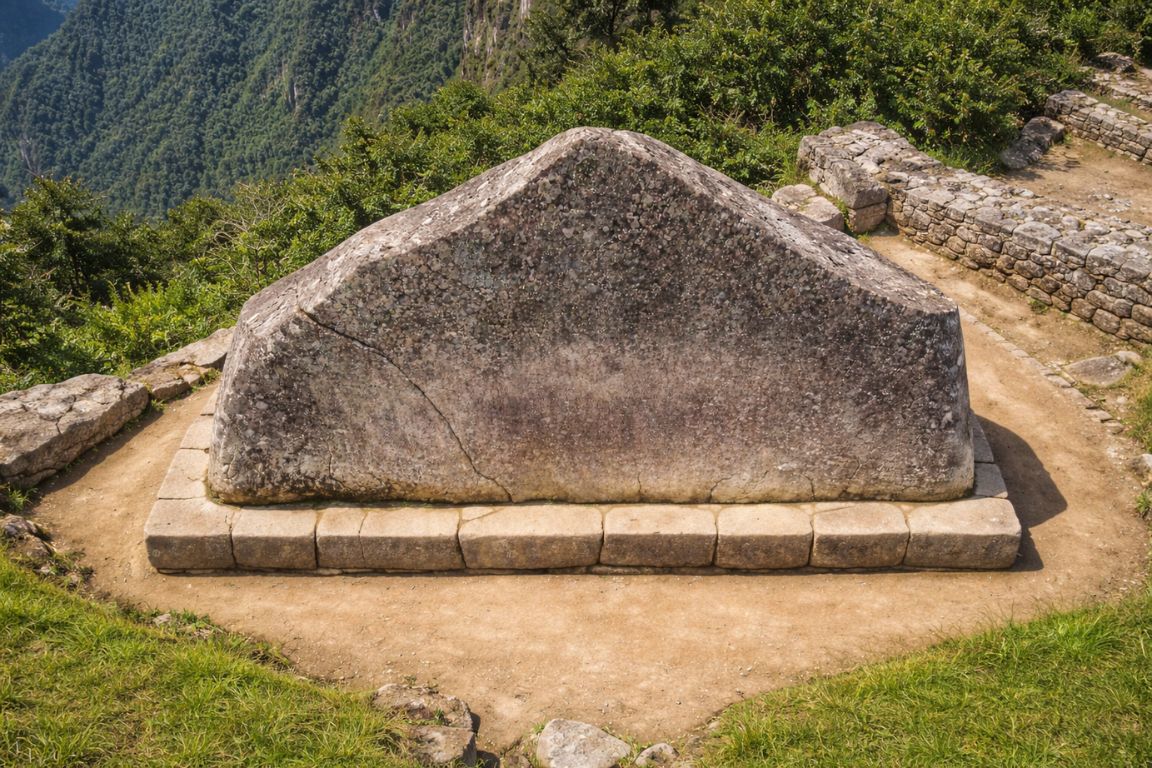
Circuit 2 is the most complete single-ticket experience at Machu Picchu. You still get the classic viewpoint from the upper terrace, that same panoramic photo, but then you descend into the actual ruins, walking through the Main Plaza, the Sacred Rock, agricultural zones, and the major temple area. Most first-timers finish in 2.5 to 3.5 hours. This is the ticket that sells out first, and for good reason.
Two routes run through Circuit 2, and the difference between them is smaller than most people expect.
Route 2-A (the Designed Route) takes you through the upper agricultural sector and into the citadel’s central areas: the Main Plaza, the Pisonay Plaza, the Sacred Rock, and the surrounding residential and religious structures. You pass through the quarry zone, which gives you a close look at how the Incas actually shaped the stone, and walk past the Temple of the Sun from above. You look down into it from the exterior, which is a different perspective from how Circuit 3 sees it from the base, looking up. This route takes about 2 to 2.5 hours at a moderate pace.
Route 2-B (the Lower Terrace Route) is almost identical but includes a short loop on the lower section of the upper terraces, near the chicha hall ruins. The extra section adds maybe 20 minutes and gives you an additional cluster of llama-frequented terraces. If both routes are available on your date, 2-B gives marginally more coverage. But if only 2-A has availability, don’t hesitate.
One important update from 2024: Circuit 2 no longer includes the Temple of the Condor. That moved exclusively to Circuit 3. Older blog posts still list it under Circuit 2, and this creates real confusion at the site. If seeing the Temple of the Condor (an extraordinary stone carving of a condor with its wings outstretched in the bedrock) matters to you, you need Circuit 3.
We’ve walked Circuit 2 with hundreds of visitors. The moment that consistently lands hardest is the descent from the Guardian’s House toward the main plaza, when the scale of the construction becomes impossible to comprehend. From the viewpoint, you see a pattern. Inside, surrounded by fitted stone walls and terraced plazas, you feel the weight of the engineering in a different way entirely.
What Do You See on Circuit 3 (Lower City / Royalty)?
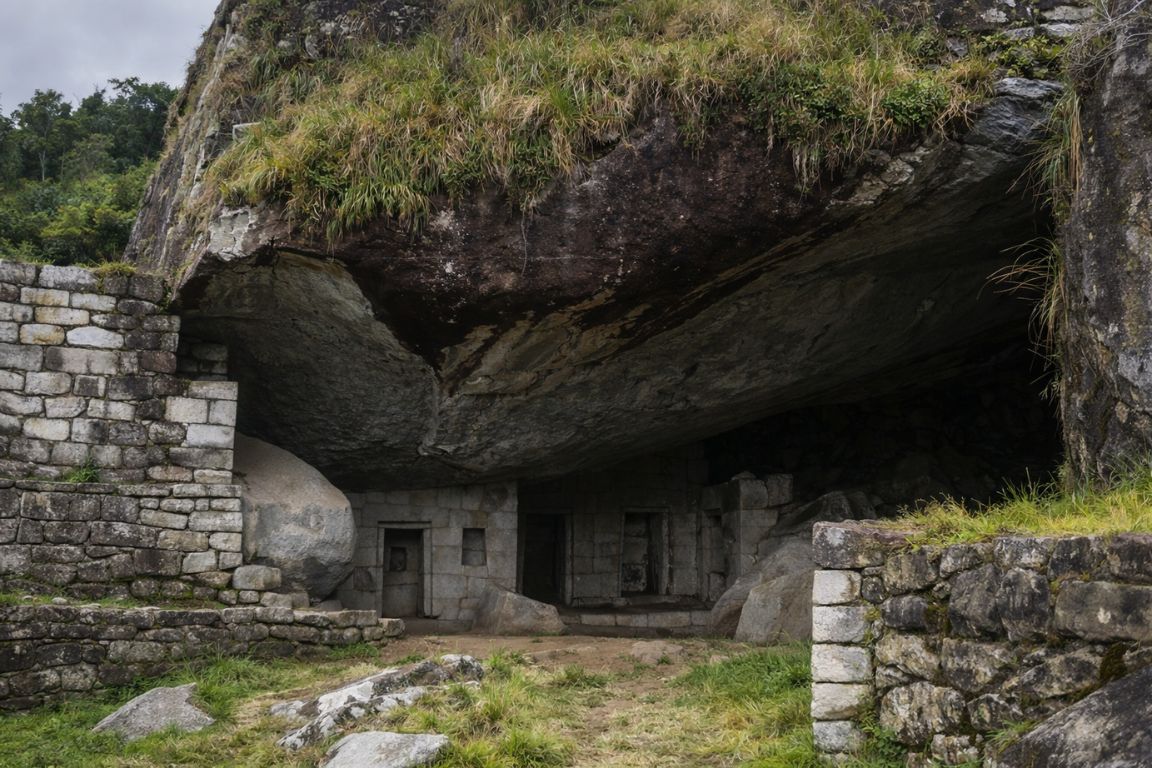
Circuit 3 focuses on the lower ceremonial and royal sectors of Machu Picchu, the areas closest to the ground and to the mountains. It’s the only circuit that includes the Temple of the Condor and the only way to access Huayna Picchu, Huchuy Picchu, and the Gran Caverna (Temple of the Moon). It does not include the classic panoramic viewpoint. The tradeoff: more architectural detail and exclusive access, less iconic photography.
Four routes live inside Circuit 3.
Route 3-A (Huayna Picchu Mountain) is the most coveted ticket at the entire site. Limited to 400 people per day, split across entry windows at 7:00 AM and 9:00 AM, this includes the steep 2-hour ascent to the peak visible behind the citadel in almost every famous Machu Picchu photograph. The climb involves narrow stone steps, sections of exposed rock, and fixed cables on the steepest parts. At the summit, at 2,720 meters, you get a completely different perspective: looking down at the ruins from above and to the side simultaneously, with the Urubamba River curving far below. The route also takes you through the lower citadel sector first, visiting the Temple of the Sun from below, the House of the Inca, and the Temple of the Condor before the mountain trail begins. Huayna Picchu is closed from October 16 through December 29 annually.
Route 3-B (the Royalty Designed Route) is Circuit 3 without a mountain add-on. This covers the lower portion of the citadel, including the Temple of the Sun from the base, the Royal Tomb beneath it, the House of the Inca, ceremonial fountains, the Sacred Rock, and the Temple of the Condor. No steep climbing beyond standard site stairs. Duration is about 1.5 to 2.5 hours. This is also the route Inca Trail hikers walk when they re-enter the site at the end of their trek.
Route 3-C (Gran Caverna / Temple of the Moon) runs behind Huayna Picchu to a remarkable ceremonial enclosure carved into the mountain’s base. It’s demanding, takes about 4 hours, and is only available to visitors over 18 during high season. Genuinely off the beaten track. Most visitors never see it.
Route 3-D (Huchuy Picchu) is the smallest mountain of the three, adjacent to Huayna Picchu but significantly shorter. The hike takes about 1 hour to the summit at 2,497 meters. High season only, adults only. A good middle-ground option for travelers who want a summit experience but aren’t ready for Huayna Picchu‘s difficulty level.
Which Mountain Add-Ons Can You Book (Huayna Picchu, Machu Picchu Mountain, Huchuy Picchu)?
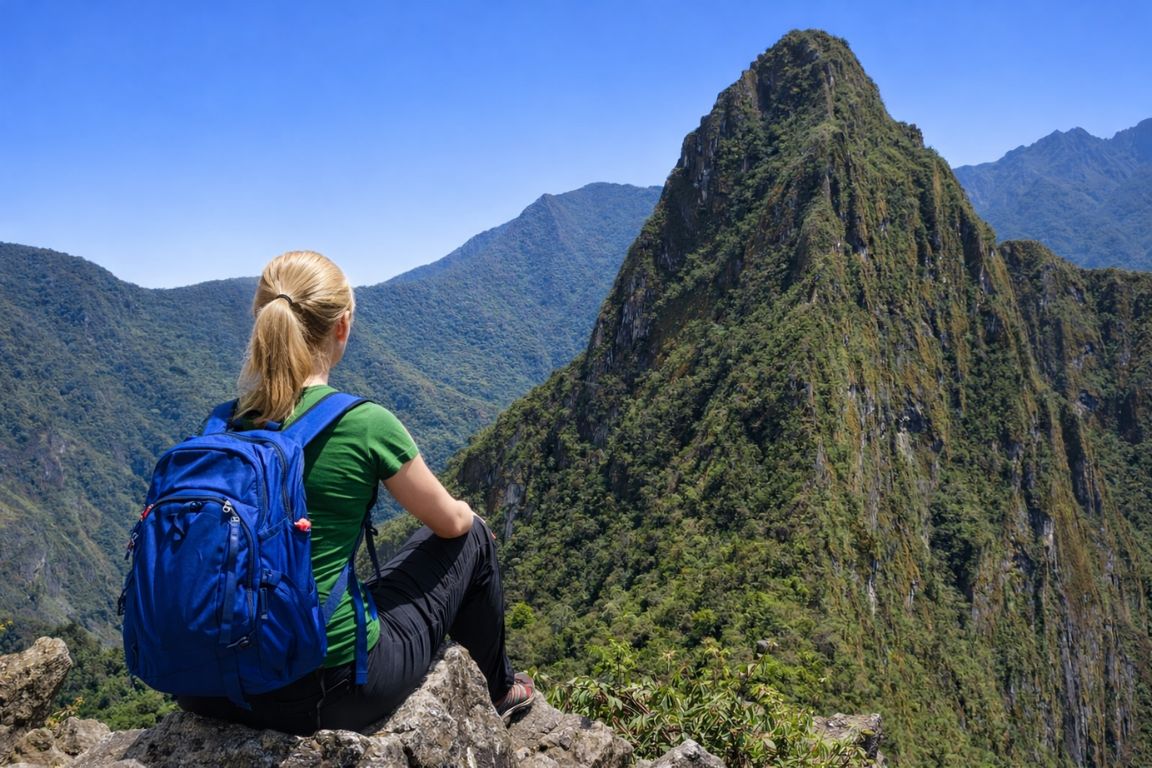
There are three hike add-ons at Machu Picchu in 2026. Machu Picchu Mountain (Route 1-A) is in Circuit 1, limited to 800 visitors per day, longer but with a more gradual grade. Huayna Picchu (Route 3-A) is in Circuit 3, limited to 400 per day, shorter but significantly steeper with exposed sections. Huchuy Picchu (Route 3-D) is also in Circuit 3, high season only, about 1 hour to the summit. All three sell out faster than any other ticket category.
Here’s the comparison most travelers spend hours trying to piece together from scattered sources.
| Machu Picchu Mountain | Circuit 1 (Route 1-A) | 3,082 m | 800/day | 3 to 5 hrs | Moderate, sustained | S/200 (~$53 USD) | Year-round |
| Huayna Picchu | Circuit 3 (Route 3-A) | 2,720 m | 400/day | 2 to 3 hrs | Strenuous, exposed | S/200 (~$53 USD) | Closed Oct 16 to Dec 29 |
| Huchuy Picchu | Circuit 3 (Route 3-D) | 2,497 m | Limited | ~1 hr to summit | Easy to Moderate | S/152 (~$40 USD) | High season only |
The Huayna Picchu vs. Machu Picchu Mountain debate comes down to two things: circuit access and physical style. Huayna Picchu is in Circuit 3, so that ticket also takes you through the royal lower sector and Temple of the Condor. Machu Picchu Mountain is in Circuit 1, giving you the upper terrace panoramic view. Huayna Picchu is steeper with exposed sections and some climbing. Machu Picchu Mountain is a longer, more sustained ascent with a more gradual grade. The summit view from Machu Picchu Mountain is wider. You can actually see Huayna Picchu from up there, which you can’t do the other way around.
For travelers who want a summit experience but aren’t fully committed to Huayna Picchu‘s intensity, Huchuy Picchu is an underused option. About an hour to the top, decent views, far less crowded. Available high season only, restricted to visitors 18 and over.
We’ve got altitude at Machu Picchu guided tours explained in detail because understanding the elevation differences between Cusco, Aguas Calientes, and the ruins matters for acclimatization.
Which Circuit Should You Choose Based on Your Trip?
Circuit 2 for first-timers who want to see the ruins. Circuit 1-B for travelers focused on the iconic photograph, limited mobility, or return visitors. Circuit 3-A for fit hikers with Huayna Picchu permits. Circuit 3-B for Inca Trail finishers or anyone wanting the Temple of the Condor and royal sector without a summit hike. Two tickets on two days is the right call for anyone serious about seeing it all.
| First visit, want to see the ruins | Circuit 2 (2-A or 2-B) | Classic view + temples + plazas in one ticket |
| The iconic photo, nothing else | Circuit 1-B | Shortest route, goes directly to Guardian’s House viewpoint |
| Climb Huayna Picchu | Circuit 3-A | Only circuit that includes Huayna Picchu access |
| Climb Machu Picchu Mountain | Circuit 1-A | Only circuit that includes Machu Picchu Mountain access |
| Temple of the Condor, no mountain hike | Circuit 3-B | Only year-round route with Temple of the Condor access |
| Finishing the Inca Trail | Circuit 3-B | Standard re-entry assignment for Inca Trail finishers |
| Easy summit option, high season | Circuit 3-D (Huchuy Picchu) | About 1 hour to the summit, far less crowded than other mountains |
| Want to see everything over 2 days | Circuit 2 + Circuit 3-B | Upper ruins on day 1, royal lower sector on day 2 |
| Limited mobility | Circuit 3-B | Fewest stairs and flattest terrain within the site |
Doing two circuits over two days is not excessive. Serious travelers do it regularly. Two days give you early-morning light both times, different physical demands, and genuinely different experiences. The ruins look nothing from inside like they look from the upper terraces above. Both perspectives are worth having.
If you’re concerned about physical demands at altitude, here’s the honest take on Machu Picchu guided tours for seniors based on what’s realistic and what operators won’t tell you upfront.
One pattern we see constantly: travelers who only buy Circuit 2 and spend the day thinking about the Temple of the Condor they can see from across the path but can’t reach. And travelers who only buy Circuit 3 and watch other people take that photograph from the Guardian’s House. The circuits are not redundant. They are genuinely different. If your trip allows for two days at the site, use both of them.
What Do Our Travelers Actually Choose?
| Circuit 2 (2-A or 2-B) | 50-65% | First visit, wants both the view and the ruins |
| Circuit 3-A (with Huayna Picchu) | 15-25% | Specifically planned the trip around the mountain hike |
| Circuit 1-A (with Machu Picchu Mountain) | 10-20% | High-altitude hiking priority, wider summit view |
| Circuit 1-B (Upper Terrace only) | 8-15% | Return visitors, photography focus, limited mobility |
| Circuit 3-B (Royalty, no mountain) | 5-12% | Inca Trail finishers and travelers on a second day |
| Two circuits across two days | 5-15% | Dedicated travelers who want the complete picture |
How Do You Actually Buy the Right Ticket Without Getting It Wrong?
All official Machu Picchu tickets are sold through tuboleto.cultura.pe, the Peruvian Ministry of Culture’s platform. You select the site (Llaqta Machupicchu), choose your circuit, then your specific route, your date, then your time slot. Tickets are issued by passport number and are non-transferable. No refunds. Circuit 2 Routes 2-A and 2-B are currently sold out through May 2026 (as of February 20, 2026). Huayna Picchu (Route 3-A) is closed all of June 2026 for maintenance.
The booking process has more decision points than most people expect, and the site doesn’t explain what you’re choosing in plain language. Decide your circuit before you open the booking site, not during. The availability calendar is separate for each circuit and route. If you navigate to the site without a clear preference and start clicking through options, you’ll either grab whatever’s available or time out the session.
Be aware that entry is by time slot, and you have a 30-minute grace window after your slot. A 9:00 AM ticket allows entry until 9:30 AM. After that, entry can be denied unless there’s a documented force majeure. Trains run late. Buses run late. Build 30 extra minutes into your bus-to-gate timing on the day of the visit.
Do not buy tickets through third parties unless you have a specific reason. The official platform accepts Visa, Mastercard, and local payment options. Processing fees are roughly $2 to $5 USD. Third-party resellers add significant markups and occasionally sell at inflated prices, though they sometimes have access to sold-out slots. Verify carefully before paying a premium.
One more option: 1,000 tickets per day are sold in person at the Centro Cultural in Aguas Calientes starting at 6:00 PM the evening before the visit. In peak season, the line forms early and popular routes vanish fast. This is a real option, but a last resort, not a plan.
Need help with the booking process? Our guide on how to buy tickets in Machu Picchu guided tours walks you through the website, payment options, and what to do if tickets are sold out.
For anyone nervous about the process, or trying to coordinate a family group with varying fitness levels across different circuits, a private visit with ticket, guide, and bus keeps the circuit choice and timing in one booking. We know which dates have surprise availability, which time slots consistently run late on buses, and how to build an itinerary that doesn’t fall apart at the gate.
Frequently Asked Questions
Can I do two Machu Picchu circuits in one day?
Yes, technically, with two separate tickets and non-overlapping entry times. The practical challenge is you’d need to exit the site, re-queue for buses, return to the gate for your second entry slot, and repeat the bus ride up. Most travelers who want both circuits use two separate days. It’s a better experience and eliminates the time pressure.
Is Circuit 2 selling out permanently, or will more availability open?
New dates open on a rolling basis, typically 4 months ahead. For May and June 2026 travel, availability will be very limited. For later months, check TuBoleto starting in late February 2026 for July and August slots. Shoulder season (April, September to October) usually has better Circuit 2 availability on shorter notice.
Does the Inca Trail ticket include Machu Picchu entry?
No. Inca Trail permits do not include the main citadel circuit ticket. You need a separate Machu Picchu ticket. Inca Trail finishers are typically assigned Circuit 3-B upon re-entry to the site. If you want a different circuit on your Inca Trail arrival day, you need to book that separately in advance.
What happens if I pick the wrong circuit?
You’ll be held to the circuit you purchased. Staff are at circuit splits throughout the site and do enforce the routes. If you’re in Circuit 2 and want to visit the Temple of the Condor (Circuit 3 only), a guard will turn you back. There’s no on-the-spot ticket upgrade, and no refund on the wrong ticket. Confirming your circuit choice before you complete the booking is the only protection.
Which circuit is best for families with kids?
Circuit 2 for most families. The pace is manageable, the variety keeps children engaged across different structures and terraces, and the elevation is moderate at 2,430 meters (lower than Cusco). Circuit 1-B works well for very young children or families who want a short visit. Avoid mountain add-ons with children under 12, as the exposed sections and vertical drops on Huayna Picchu and Machu Picchu Mountain are genuinely hazardous for small bodies.
Is Circuit 3 worth it without a mountain hike?
Yes, for the right traveler. Circuit 3-B is the only way to enter the Temple of the Condor, one of the most extraordinary structures at the site. It also takes you inside the Temple of the Sun and House of the Inca from the base. The experience is quieter, architecturally richer, and feels less like mass tourism than the panoramic terrace areas. It’s not for someone whose main goal is the classic photograph. It absolutely delivers for anyone interested in Inca architecture up close.
Written by Diego Alejandro Ramirez
Peruvian tour guide since 2009 · Founder, Machu Picchu Guided Tours
Diego has guided over 1,600 travelers through Machu Picchu and the Sacred Valley since founding the agency.
Choose The Ticket Option Before You Pay
Check your date before arranging the rest. We may earn commission through this booking link.