How to Visit Machu Picchu on a Budget
Visit Machu Picchu on a budget: Hidroeléctrica route, cheapest circuit, student discounts, and skipping the shuttle can cut costs to $120–160 all-in.
Keep the independent route if it suits your budget. Compare actual quotes for the same party before paying for bundled logistics.
The Hidroeléctrica bus route cuts your transport cost from ~$160 to ~$30 round-trip. Circuit 1B is the cheapest entrance ticket (~$40). Students with a physical university ID get about 37% off. Walk up instead of taking the Consettur bus and save another $23. Stock up on food and water in Cusco before you go – Aguas Calientes charges 30–40% more for everything. A full DIY visit is doable for roughly $120-160 all-in once you’re in Cusco, not counting flights.
What Does It Actually Cost to Visit Machu Picchu in 2026?
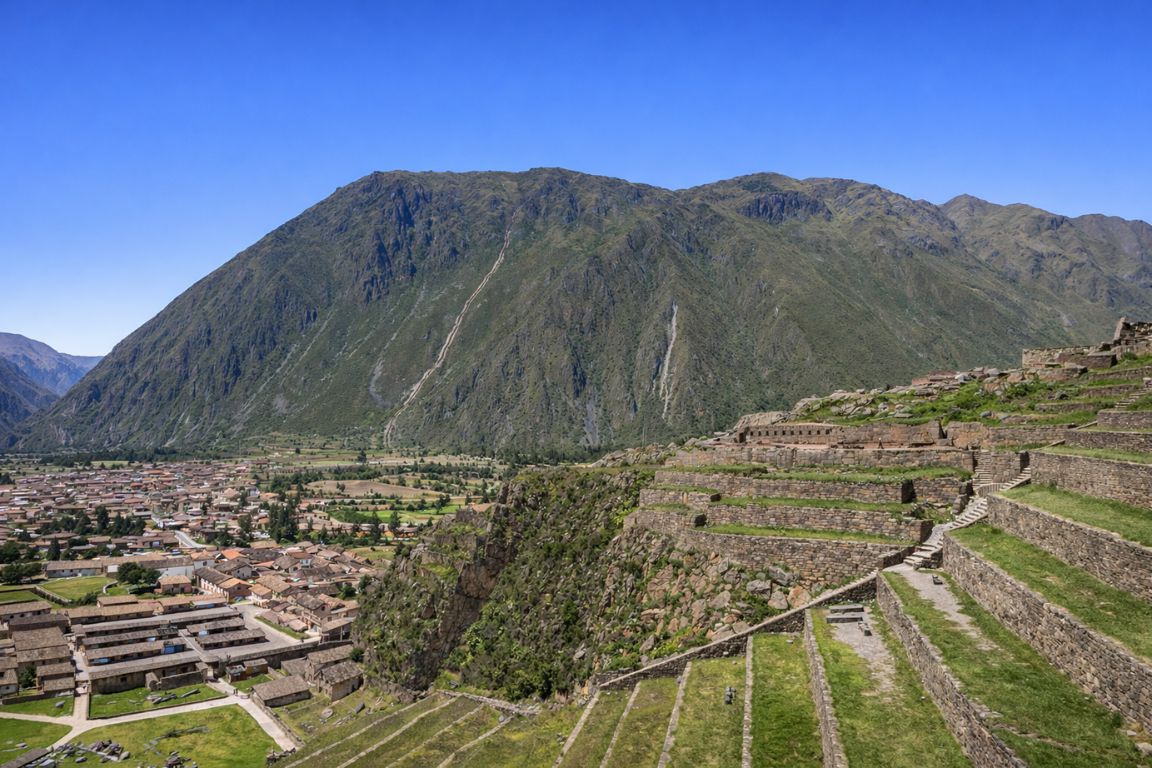
The minimum realistic cost for a DIY day visit to Machu Picchu from Cusco is around $120-160 USD per person, covering entrance, transport, and food. That assumes the cheap route in, walking up to the site, and eating from the market. Most first-timers spend $200-300 once you factor in the tourist train, Consettur bus both ways, a hostel night in Aguas Calientes, and a guide.
The numbers can feel confusing because people quote radically different totals. Some say $80. Some say $400. Both are technically true, depending on which decisions you make at each step.
Here is the full cost breakdown so you can see exactly where the money goes.
| Entrance ticket (Circuit 1B) | ~$40 | ~$62 (Circuit 2A) | Student: ~$39 with physical ID |
| Transport to Aguas Calientes | ~$30 (Hidroeléctrica route) | ~$160-170 (tourist train RT) | Biggest single cost variable |
| Consettur bus (Aguas Calientes to gate) | $0 (walk up, bus down $23) | $35 round-trip | Walk up = 1.5-2 hrs of stone steps |
| Guide | $10-15/person (group, split 6) | $40-80 private | Required – hire at gate if not pre-booked |
| Accommodation (Aguas Calientes) | $15-20 (hostel dorm) | $50-100 (private room) | Day trip avoids this entirely |
| Food (full day) | $8-15 (market + Cusco snacks) | $25-40 (Aguas Calientes restaurants) | Biggest savings: bring food from Cusco |
| Water, sunscreen, misc | $5 (bought in Cusco) | $15-25 (bought in Aguas Calientes) | Prices 30-40% higher in Aguas Calientes |
The entrance ticket itself is non-negotiable and set by Peru’s Ministry of Culture. Everything else is where your decisions make the difference. Transport is by far the biggest lever.
Prices verified February 2026 via tuboleto.cultura.pe and official operator sites. Exchange rates fluctuate – always check current rate before converting soles amounts.
If you’re about to book and want to avoid mistakes, here’s how to buy tickets in Machu Picchu guided tours step by step so you get exactly what you need.
Kelly Klaymour
How Do You Get to Machu Picchu Without Paying Train Prices?
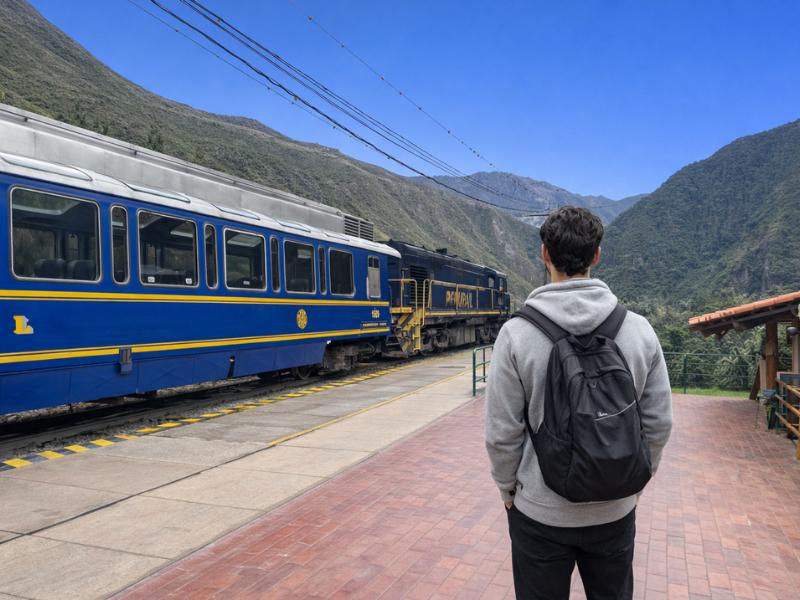
The Hidroeléctrica route is the budget traveler’s answer to the train monopoly. Instead of paying $160+ round-trip for a tourist train, you take a series of collectivos and buses from Cusco to Hidroeléctrica station for about $30, then walk 2-3 hours along the railway track into Aguas Calientes. Fit, flexible travelers with an extra day do this constantly.
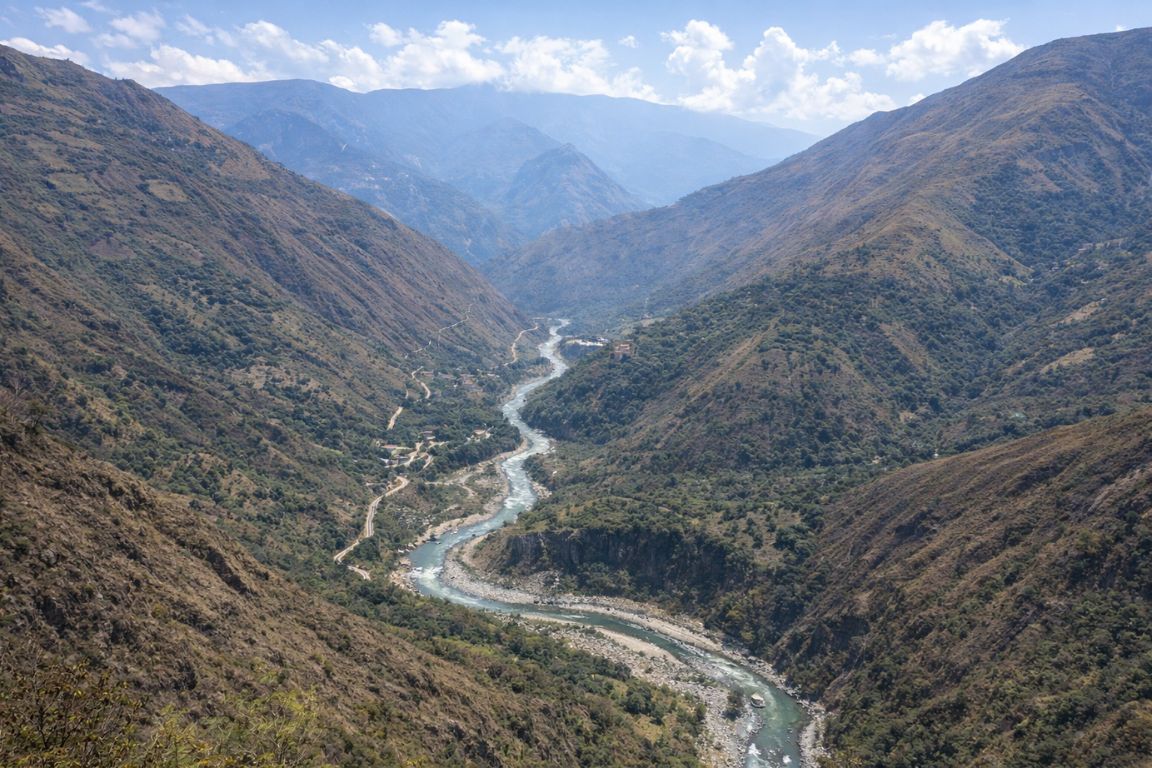
Here is how the Hidroeléctrica route works in practice. You catch a bus or shared van from Cusco toward Santa María (about 20 soles), then a shared taxi to Santa Teresa (about 10 soles), then another short ride to Hidroeléctrica station (5 soles). From Hidroeléctrica, you walk the 10km track to Aguas Calientes – it is flat, follows the river through cloud forest, and takes 2-3 hours at an easy pace. Total cost: roughly $14-18 USD for the full journey in.
A few things to know before you commit to this. The road to Hidroeléctrica is narrow and winding through mountain terrain. It is safe but not comfortable, and buses are not running on any fixed schedule. Plan the journey in daylight only. Rainy season (January to March) adds mud and occasional landslide risk on mountain roads. Most budget travelers do the cheap route in one direction and take the train back, which still saves $80+ while giving you the scenic canyon return.
| Hidroeléctrica bus + walk (both ways) | ~$30 | 10-12 hrs total | Maximum budget savings, fit travelers |
| Hidroeléctrica in, economy train out | ~$95-105 | 7 hrs in + 2 hrs train back | Best balance of savings and comfort |
| Economy train (Ollantaytambo, both ways) | ~$160-170 | ~2 hrs each way from Ollantaytambo | Comfort, reliability, first-timers |
| Hiram Bingham luxury (PeruRail) | $550+ one-way | ~3.5 hrs from Cusco | Special occasions, includes meals |
We’ve answered the question do you need a guide for Machu Picchu guided tours with details on what’s mandatory, what your options are, and how to comply with the entry rules.
Planning the logistics yourself? You can start with a private visit that includes the ticket, guide, and bus and keep transport as a separate, cheaper decision. Get in touch for a free planning conversation.The route above only covers Cusco to the citadel. Budget travelers stitching together a bigger Peru loop – Lima, Paracas, Huacachina, Nazca, Arequipa, Puno – often skip domestic flights entirely and take Peru Hop (check prices here)’s overland bus network instead, which ends in Cusco with hotel pickup and an English-speaking host on board. It won’t get you any closer to the citadel than Cusco, but it can cut a real chunk off the flight budget for that first leg. We cover the route in Lima to Cusco overland.
Where Should You Stay to Keep Costs Down Near Machu Picchu?
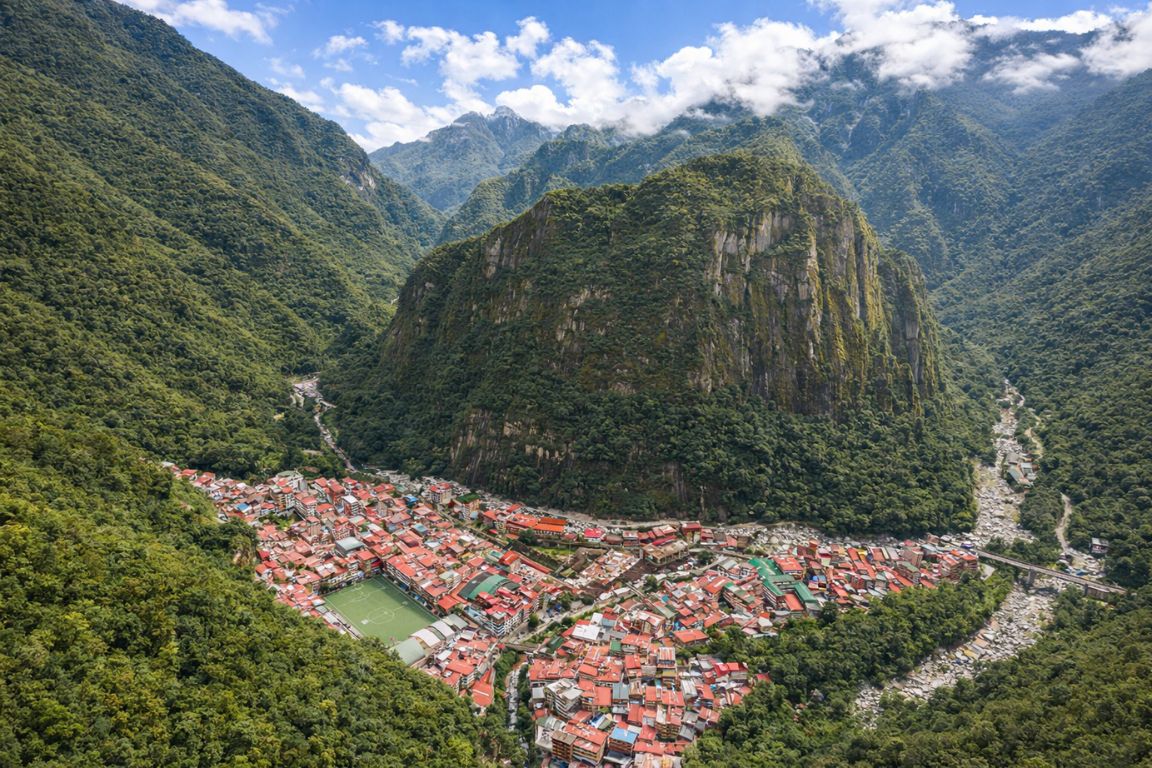
Aguas Calientes (also called Machu Picchu Pueblo) is expensive for what it is. Budget hostel dorms run $15-20/night, private rooms $30-50. If you are on a tight budget, either do a day trip from Cusco and skip the overnight entirely, or treat Aguas Calientes as a one-night layover and nothing more.
The town essentially exists for tourism. There is no off-season pricing to speak of, very little competition between accommodation providers, and almost no way to find a genuine bargain. That said, a night here does make logistical sense – it lets you take an early entry slot without the crushing pre-dawn commute from Cusco, and the morning light on the site is genuinely different.
For hostels, Supertramp Hostel and Nativus Hostel are consistently recommended by budget travelers, with dorm beds from around $17-18/night. Both are close to the train station, which matters when you’re moving heavy bags early in the morning. Private rooms in basic guesthouses start around $30. Mid-range hotels (private bath, breakfast included) typically run $70-150.
A smarter approach for some people: stay in Ollantaytambo instead and do a very early morning train. Ollantaytambo has much better value accommodation – budget guesthouses from $20-30 for a private room – and the train journey is only about two hours. You will not get a 6am entry slot easily this way, but 8am or 9am works fine for most circuits.
Cusco is the other staging option for a day trip. It is a long day – you would need to be on transport by 4-5am – but doable if you are fit, acclimatized, and your entry time is not too early. Cusco hostels run $15-30 for dorm beds and have a genuinely social atmosphere that Aguas Calientes lacks.
Kelly Klaymour
Which Circuit Gives You the Most Value for Your Money?
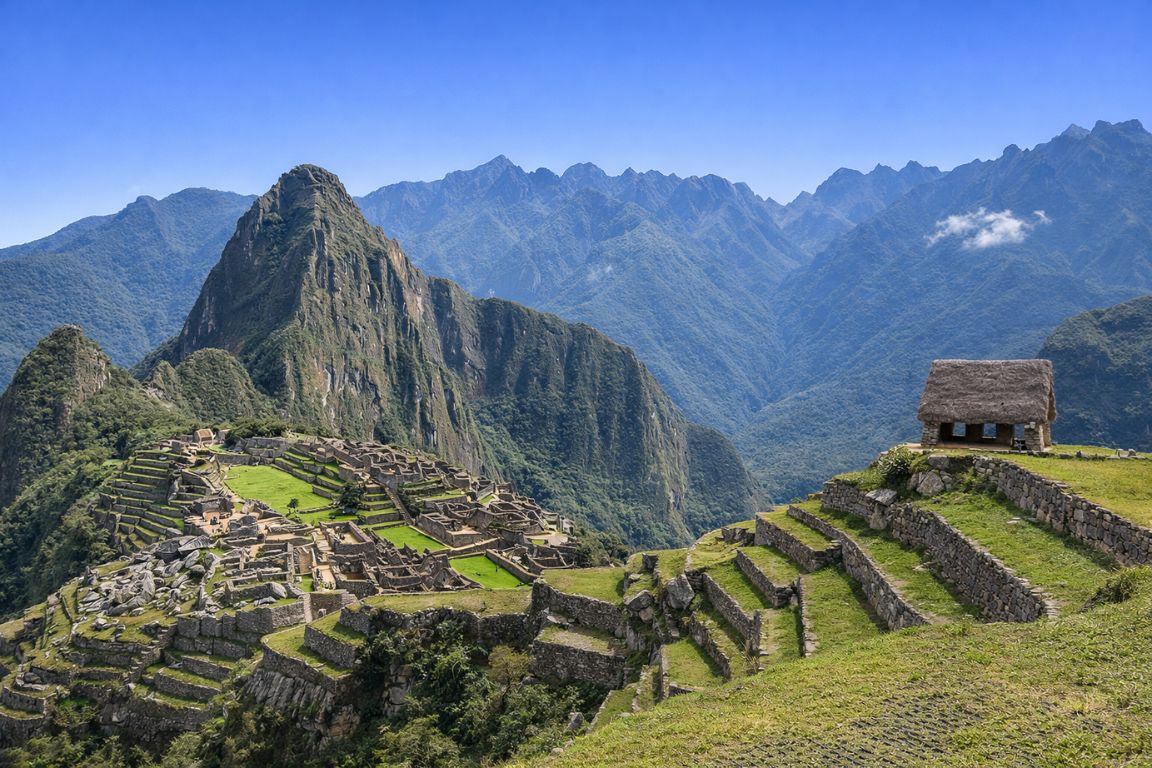
Circuit 1B costs the least of any ticket (~$40) and gives you the famous postcard viewpoint – the panoramic shot from the Guardian’s House that appears on every Machu Picchu photo you’ve ever seen. It does not include access to the ruins themselves. For first-timers who want both the iconic view and to walk through the temples, Circuit 2A or 2B offers the most complete experience for ~$62 and 2-3 hours inside the site.
Here is the key thing most people misunderstand: Circuit 1 (all routes) gives you views of the citadel from above, but you cannot walk through it. If you book 1B thinking you’ll explore the site, you will be disappointed. It is perfect if you genuinely just want the photo and have limited mobility or time.
| 1B (Upper Terrace) | ~$40 | Panoramic viewpoint only, 1-2 hrs | Yes, if view-only is enough |
| 2A (Classic) | ~$62 | Full ruins tour, Temple of Sun, Sacred Plaza, 2-3 hrs | Best value for full experience |
| 2B (Lower Terrace) | ~$62 | Full ruins, slightly wider photo angle, 2-3 hrs | Same value as 2A, less crowded start |
| 3B (Royalty Route) | ~$40 | Lower royal sector, fewer stairs, 1-2 hrs | Yes – lower price, actual ruins access |
The underrated budget pick is Circuit 3B. It costs the same as 1B but actually takes you inside the ruins – specifically the lower royal sector with genuinely impressive Inca stonework. You miss the classic panoramic viewpoint, but you get real archaeology at a lower ticket price. Not many blogs mention this combination.
One more thing worth knowing: student tickets are valid across most circuits and cut the price by roughly 37% on Circuit 2A (from ~$62 to ~$39). More on that in the section on self-guided visits below.
Not sure which ticket to buy? Check out our guide with Machu Picchu ticket types explained – Circuit 1, 2, and 3 all give you completely different routes through the ruins.
How Do You Eat Well in Aguas Calientes Without Getting Ripped Off?
The single most effective food strategy for Aguas Calientes: bring your supplies from Cusco. Water, snacks, breakfast items, and even a packed lunch from a Cusco market will cost 30-40% less than the same things in Aguas Calientes. Whatever you forget to bring, you’re paying tourist markup on.
Aguas Calientes has no real local economy other than tourism. A bottle of water that costs 1 sol in a Cusco supermarket runs 3-4 soles in Aguas Calientes restaurants. That does not sound like much, but it adds up across a full travel day when you’re hot, sweating, and thirsty.
The one genuinely affordable eating spot in town is the municipal market, which you’ll find opposite the train station. Head upstairs to the food court level and look for the stalls serving menú del día – a set lunch of soup, a main course, and often a drink for around 10-15 soles ($3-4 USD). These are Peruvian home-cooking prices, and the food is solid. This is where locals and Peruvian guides eat.
For restaurants, the area closest to the main plaza runs the highest prices. One or two blocks off the main drag you’ll find spots serving roast chicken, trout, and rice for 20-30 soles rather than 50+. Aguas Calientes is known for trout from the Urubamba River – fresh, cheap relative to everything else on the menu, and usually the best thing they cook.
One practical tip that saves real money: buy your rain poncho in Cusco, not at Machu Picchu. At the site entrance they sell them for two to three times what you’d pay at Cusco markets. Sunscreen is the same story. Load up before you go.
Kelly Klaymour
What Hidden Costs Catch Budget Travelers Off Guard at Machu Picchu?
The hidden costs that derail Machu Picchu budgets fall into four categories: the mandatory guide fee (not included in any ticket, often a surprise at the gate), the Consettur bus (sometimes excluded from tour package quotes), the ATM situation in Aguas Calientes, and souvenirs bought at inflated site prices rather than Cusco markets.
The guide requirement is the big one. Since 2017, Peru has required all Machu Picchu visitors to be accompanied by a licensed guide. Enforcement tightened in 2025. You cannot enter alone. If you did not pre-book a tour or arrange a guide in advance, you will be directed to hire one at the gate – typically $40 for a private guide or $10-15 per person to join a group of up to six. Many budget posts quote the entrance ticket price without mentioning this additional mandatory cost at all.
The ATM situation is genuinely tricky. Aguas Calientes has very few ATMs and they regularly run out of cash during peak periods. Fees are also higher than in Cusco. Bring enough Peruvian soles from Cusco for your full stay in Aguas Calientes. Budget roughly 50–80 soles cash per person for incidentals beyond what you’ve already paid online.
A few more costs that add up:
| Mandatory guide (not in ticket) | $40 private / $10-15 per person group | Pre-arrange a group guide or join others at gate |
| Consettur bus (sometimes excluded from packages) | $35 RT / $23 one-way | Walk up (1.5-2 hrs), take bus down only |
| Entrance toilets (inside site) | ~1 sol each use | No toilets inside site – use before entry |
| Luggage storage (Aguas Calientes) | $2-4/day | Leave bags at your hostel; most allow this |
| Rain poncho (at site entrance) | $8–12 | Buy in Cusco for $2-3 |
| ATM fees (Aguas Calientes) | $3-6 per transaction | Withdraw enough soles in Cusco before departing |
| Souvenirs (at Aguas Calientes shops) | 2-3x Cusco market price | Buy all souvenirs at Cusco’s Mercado de San Pedro |
Can You Visit Machu Picchu Without a Tour and Still Do It Right?
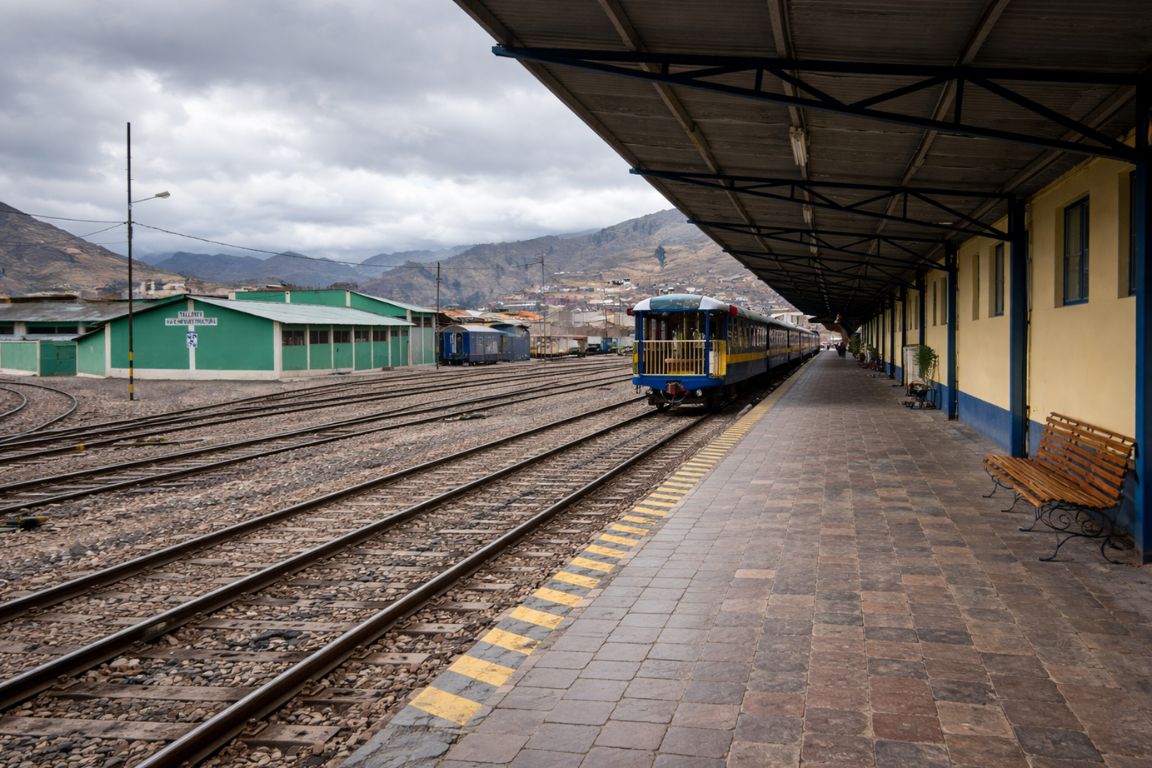
Yes, you can book tickets yourself directly through tuboleto.cultura.pe, organize your own transport, and hire a guide at the gate – all without going through a tour agency. DIY saves the 30-50% markup that tour operators add. The tradeoff is more planning, more risk if something goes wrong, and less flexibility when tickets sell out.
The DIY sequence is straightforward once you know it. First, buy your entrance ticket on tuboleto.cultura.pe as soon as your target month opens (2026 tickets went on sale November 17, 2025 – months in advance for peak dates). You’ll need your passport number and to choose your circuit, date, and entry time slot. Pay by credit card. The ticket is non-refundable and tied to your passport – no changes, no transfers.
Then separately book your train or arrange transport to Hidroeléctrica. Then book accommodation in Aguas Calientes, Ollantaytambo, or Cusco depending on your approach. At the gate on the day, you will be directed to choose or join a guide group. Showing up a little early and finding other solo travelers to share a guide with is genuinely common – the maximum group size is six people and many guides at the gate are actively looking to fill spots.
The student discount is worth calling out specifically here. Students aged 18-24 with a valid university ID get roughly 37% off on most circuits – Circuit 2A drops from ~$62 to ~$39. This is real money. The catch: the ID must be physical, laminated, show the university logo, your name, and have a valid date within one year of your visit. A screenshot on your phone will not work. Peru’s Ministry of Culture checks physical credentials at the gate. Students who show up without the physical card pay full price. Take the actual card.
On the question of whether to skip a guide entirely: you cannot. A licensed guide is legally required since 2025 and enforcement is active at the entrance. What you can do is join a small group at the gate rather than pre-booking a private tour, which brings your cost down significantly. On quieter days, a group of six strangers paying $10-15 each is common and perfectly normal.
| Full tour package (agency) | $250-400+ | Low | Very low |
| DIY (tourist train + gate guide) | $180-220 | Medium | Low-medium |
| DIY (Hidroeléctrica + gate guide) | $80-120 | High | Medium |
| DIY with student discount (Hidroeléctrica) | $65-95 | High | Medium |
One more budget tip that almost never appears in guides: walk up to Machu Picchu from Aguas Calientes instead of taking the Consettur bus, but take the bus down. The downhill walk is actually harder on your knees than going up – hundreds of steep stone steps on tired legs after 3-4 hours of exploring. Taking the bus down saves your knees and still saves you $23 versus the full round-trip fare. Most budget travelers who try to do both ways on foot find the descent brutal after a full day on the site.
Prefer to organize it independently? Check out our guide on DIY Machu Picchu without a tour – it’s more doable than most people think but requires some advance planning.
Even on a budget, a knowledgeable guide changes everything. If you would rather not assemble a gate-day group, the private experience with ticket, guide, and bus covers the on-site side in a single booking. Book a guide-only session with Machu Picchu Guided Tours. Kelly KlaymourFrequently Asked Questions
What is the absolute cheapest possible way to visit Machu Picchu?
The lowest cost day visit from Cusco involves: taking collectivos and buses via the Hidroeléctrica route (~$15 one-way), booking a Circuit 1B or 3B entrance ticket (~$40), walking up to the site from Aguas Calientes instead of taking the Consettur bus (free vs $23), sharing a gate guide with strangers (~$10-15 per person), and bringing all food and water from Cusco. Total: roughly $80-100 USD excluding accommodation and Cusco-to-Cusco transport. Add $15-20 for a hostel dorm night if staying over. Students with a physical university ID can reduce the entrance cost by around 37%. That figure assumes you’re already in Cusco; travelers keeping the whole trip overland from Lima instead of flying in sometimes use Peru Hop to cut that cost too.
Is it cheaper to visit in rainy season (January-March)?
Transport costs stay the same year-round. Train prices are set by PeruRail and Inca Rail regardless of season. Aguas Calientes accommodation can be slightly cheaper outside peak (June-October), but the savings are modest. The real benefit of shoulder season (April-May or October) over full rainy season is weather – clouds lift midday in rainy season but mornings often stay foggy, and the approach roads can get muddy. April and October give you lower crowd levels without the weather unpredictability of deep rainy season. Both are legitimate budget-travel windows.
Do you really need a guide, or can you skip that cost?
You cannot skip it. Peru’s Ministry of Culture legally requires a licensed guide for all Machu Picchu visitors as of 2025, and enforcement at the entrance is active. What you can do is join a group at the gate (up to six people) and split the cost – typically $10-15 per person. Many solo and budget travelers find groups of like-minded travelers at the entrance on the day. Pre-booking a small-group tour through an agency is the other option and often makes logistical sense when tickets, transport, and guide are bundled.
Can I buy tickets at the entrance or in Aguas Calientes?
1,000 tickets per day are reserved for in-person sale at the Centro Cultural in Aguas Calientes. On non-peak days, last-minute tickets are sometimes available. During peak season (June-November) and holidays, these sell out before the office opens. The Ministry sells the bulk of tickets online through tuboleto.cultura.pe – this is where to buy if you have flexibility on dates, and ideally 4-6 weeks ahead for Circuit 2 during dry season, 3+ months for Huayna Picchu.
What does the student discount actually cover and how do I qualify?
Students aged 18-24 with a valid university ID pay approximately 37% less on most circuits – Circuit 2A drops from roughly $62 to $39. The ID must be physical and laminated, show the university logo, display your name, and have a valid date within one year of your visit. Screenshots or digital IDs are not accepted. The discount applies at the point of online purchase on tuboleto.cultura.pe where you can select the “student” ticket category. If you cannot produce the physical card at the gate, you may be required to pay the difference on site.
Is Cusco cheaper than Aguas Calientes as a base?
Yes, significantly. Cusco has far more accommodation options across all price ranges, genuine competition between restaurants, supermarkets, and markets with Peruvian prices. Aguas Calientes has almost none of that. A hostel dorm in Cusco runs $15-30 with a social atmosphere; the same money in Aguas Calientes gets a more basic, tourism-only experience. The tradeoff is logistics: staying in Cusco means earlier start times and more complex transport coordination to hit early entry slots at Machu Picchu. Most budget travelers spend 2-3 nights in Cusco for acclimatization anyway, making Cusco the natural base with Aguas Calientes as one overnight at most.
Written by Diego Alejandro Ramirez
Licensed Peruvian guide since 2009, 1,600+ travelers through Machu Picchu. Diego has guided every budget level from student backpackers to private groups and knows exactly where people overpay.
Compare The Total, Then The Work Saved
Check your date before arranging the rest. We may earn commission through this booking link.