Machu Picchu Circuits Breakdown + Subroutes
Since June 2024, Machu Picchu has 3 circuits and 10 routes. Pick wrong and you’ll miss key ruins - here’s how to choose the right ticket before you book.
A product title alone is not a circuit confirmation. Select the exact route option before coordinating trains.
Quick Reference: The 10 Machu Picchu Routes at a Glance
| 1-A | Machu Picchu Mountain | 4-5 hrs | Upper terrace + mountain summit (3,082 m) | Year-round |
| 1-B | Upper Terrace (Terraza Superior) | 1-2 hrs | Upper terraces and panoramic viewpoint only | Year-round |
| 1-C | Sun Gate (Intipunku) | 2.5-3 hrs | Upper terraces + trek to Sun Gate (2,745 m) | High season only (Jun 19-Nov 2) |
| 1-D | Inca Bridge (Puente Inka) | ~2 hrs | Upper terraces + Inca Bridge cliffside walk | High season only; adults 18+ only |
| 2-A | Classic Designed Route | 2-3 hrs | Full ruins: temples, plazas, terraces, classic view | Year-round |
| 2-B | Lower Terrace Route | 2-3 hrs | Full ruins with slightly different viewpoint entry | Year-round |
| 3-A | Huayna Picchu Mountain | 3-4 hrs total | Lower royal sector + steep Huayna Picchu summit (2,720 m) | Year-round (closed June 2026) |
| 3-B | Royalty Designed Route | 1-2 hrs | Lower royal sector: temples, royal quarters | Year-round |
| 3-C | Great Cavern (Gran Caverna) | Up to 4 hrs | Lower sector + ancient cavern complex | High season only; adults 18+ only |
| 3-D | Huchuy Picchu Mountain | ~1.5 hrs | Lower sector + shorter mountain hike (2,497 m) | High season only |
Prices and availability verified February 2026 via tuboleto.cultura.pe (official Ministry of Culture platform).
What Is the Machu Picchu Circuit System and Why Does It Exist?
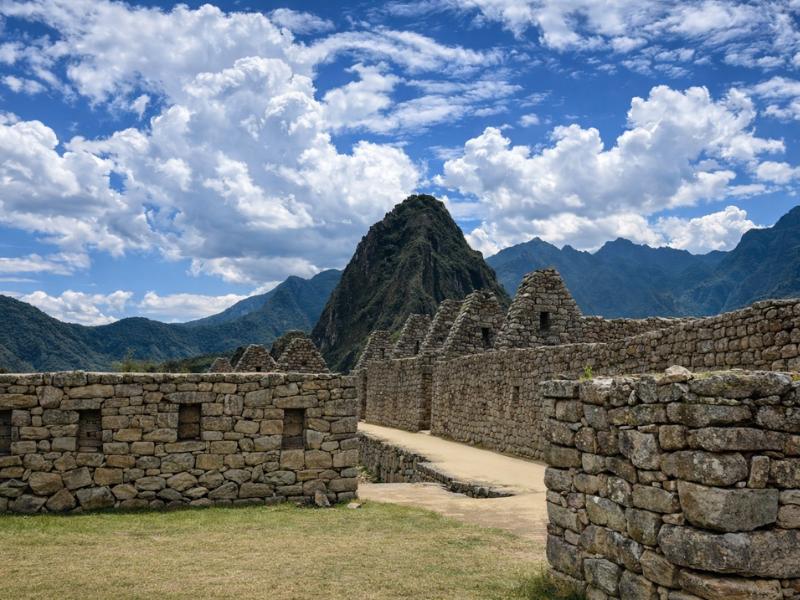
The circuit system divides Machu Picchu into three designated walking routes, each with defined one-way paths and timed entry slots. It replaced free-roaming access in 2021 and was overhauled again in June 2024 into its current form: three circuits, 10 routes, no backtracking, no re-entry. The goal is conservation – controlled foot traffic across a fragile 500-year-old site that saw over one million visitors in the first half of 2024 alone.
Before 2021, visitors bought a ticket and wandered more or less where they pleased. That model produced predictable results: crowds jammed the Guardian House viewpoint, stones got worn down, and the most photogenic corners of the citadel became almost impossible to experience quietly. The Peruvian Ministry of Culture pushed back with circuits, then modified them twice more as problems emerged.
The current system, active since June 1, 2024, is the most structured version yet. Three circuits group 10 distinct routes. You book not just a date but a specific route and a specific entry hour. Show up at the gate at 9:00 AM with a 10:00 AM ticket and you wait. Show up with a 9:00 AM ticket and a Circuit 2-A stub when the gate is reading 2-B only, and there’s confusion at best, denial at worst.
What makes this matter more than it sounds: the three circuits do not show you the same Machu Picchu. Circuit 1 gives you the upper terraces and sweeping views – but no access to a single temple or plaza. Circuit 3 takes you through the royal lower sector but cuts off the iconic panoramic photograph most people picture when they think of Machu Picchu. Only Circuit 2 combines both, which is why it accounts for the majority of tickets sold every day.
Understanding this before you book isn’t optional. It determines what you actually see.
We’ve got Machu Picchu ticket types explained in detail because choosing between Circuit 1, 2, and 3 is confusing as hell and picking wrong ruins your photos.
What Does Circuit 1 Include and Who Is It For?
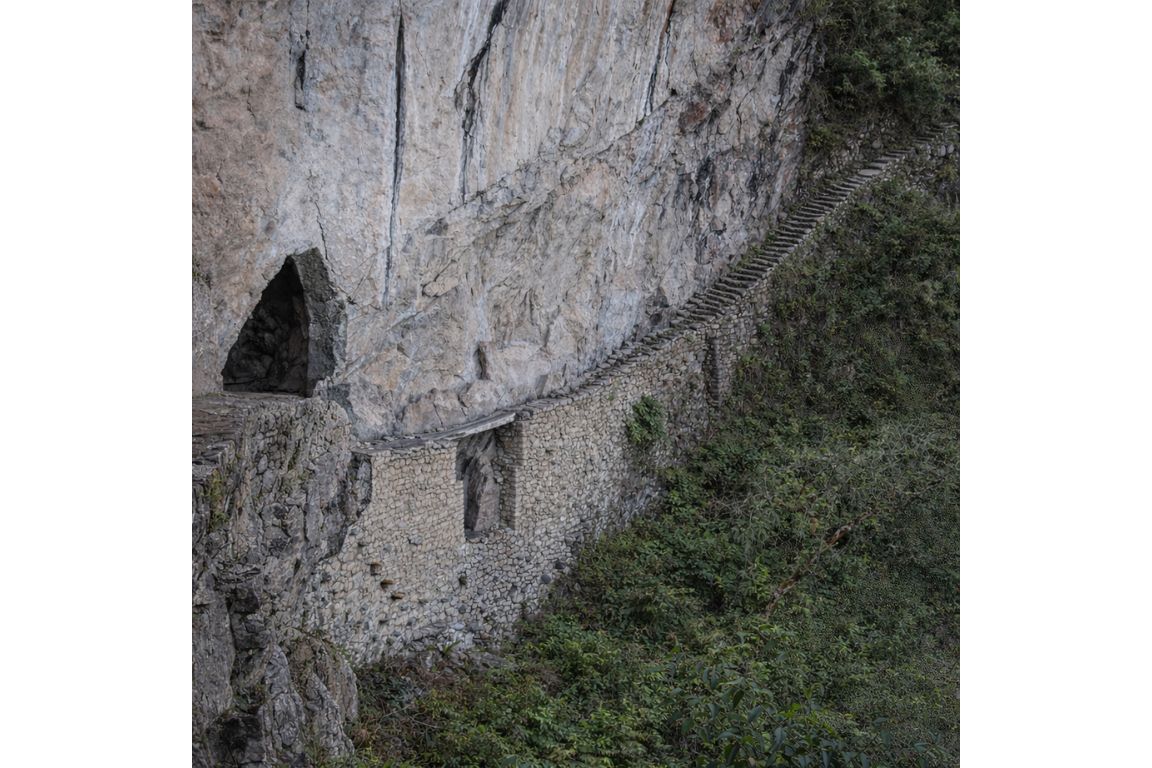
Circuit 1 (Panorámico) is entirely about views from the upper terraces. It does not include access to any of the main ruins, temples, or plazas. You walk up through forest to the upper terrace, get the sweeping panoramic view of the citadel, and exit. Four route variants exist – one adds Machu Picchu Mountain, two add seasonal hikes to the Sun Gate or Inca Bridge. Circuit 1 suits photographers chasing the classic shot, people short on time, and those who want to pair a summit hike with a citadel view. First-time visitors wanting to actually explore the ruins should not book Circuit 1.
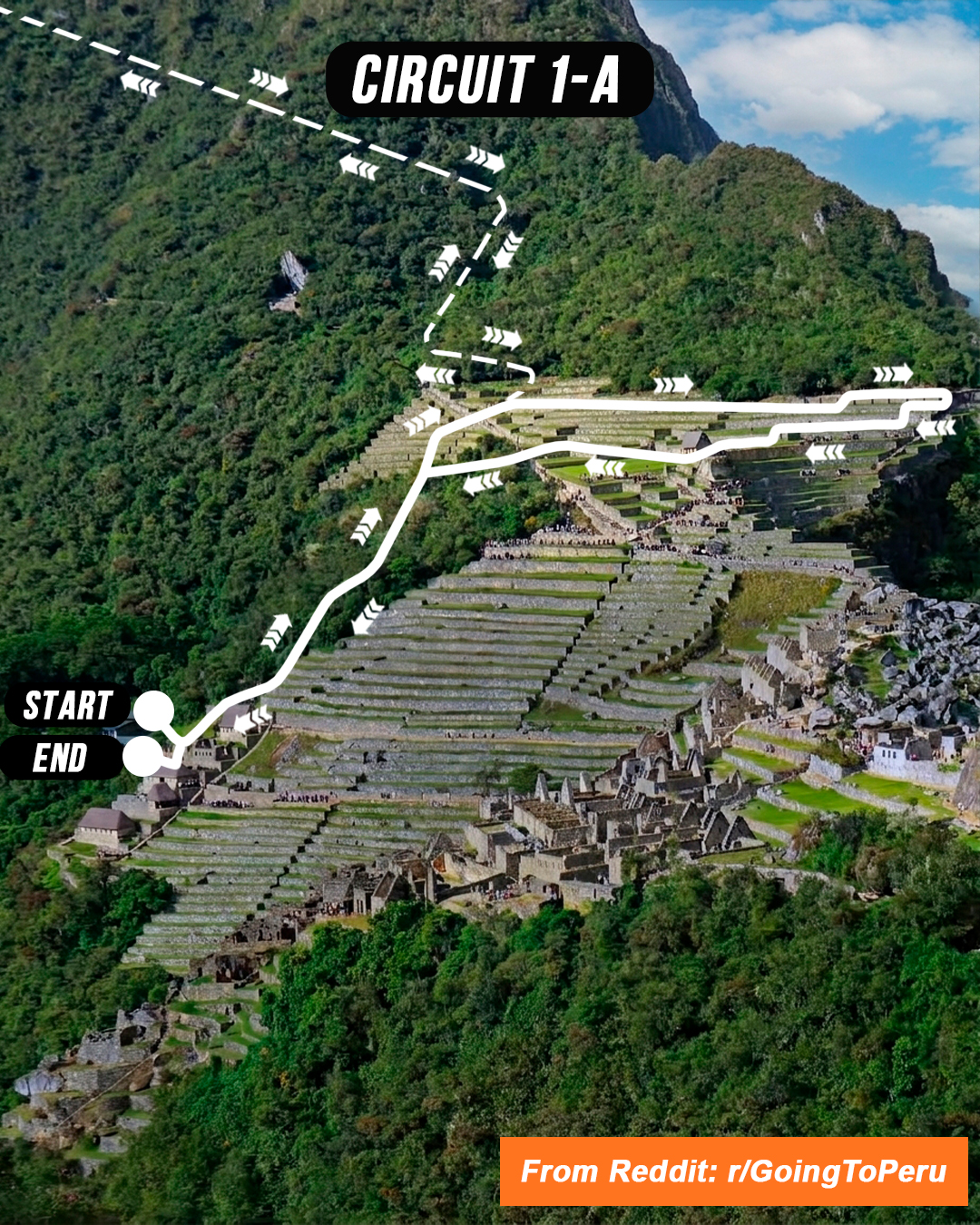
This is the most commonly misunderstood circuit. People see “panoramic” and assume it includes the famous viewpoint plus a walk through the ruins. It doesn’t. Circuit 1 exits before the ruins begin. The four routes are:
Circuit 1 Routes: What Each Includes
| 1-A | 4-5 hrs | Upper terrace panorama + Machu Picchu Mountain summit (3,082 m, 1,600+ steps, bird’s-eye view of the entire ruins) | Summit seekers; those wanting aerial perspective; less crowded than Huayna Picchu | Year-round |
| 1-B | 1-2 hrs | Upper terrace panoramic viewpoint only – the classic view, then exit. As of 2025, limited to this single stop. Shortest circuit at the site. | Limited time; second-day pairing with Circuit 2; seniors wanting only the photo; travelers on a tight train schedule | Year-round |
| 1-C | 2.5-3 hrs | Upper terrace view + trek along the Inca Trail corridor to Intipunku (Sun Gate, 2,745 m) – the arrival point for Inca Trail trekkers, with a sweeping dawn view of the citadel below | History-minded walkers; Inca Trail experience without the multi-day commitment | High season only (Jun 19–Nov 2) |
| 1-D | ~2 hrs | Upper terrace view + cliffside walk to the Inca Bridge (Puente Inka) – an ancient retractable drawbridge built directly into a cliff face above the Urubamba Valley. Not for those with vertigo. | Engineering enthusiasts; adults comfortable with exposed drops | High season only; 18+ only |
One thing worth knowing about Route 1-B specifically: a local guide we work with calls it “the postcard ticket.”
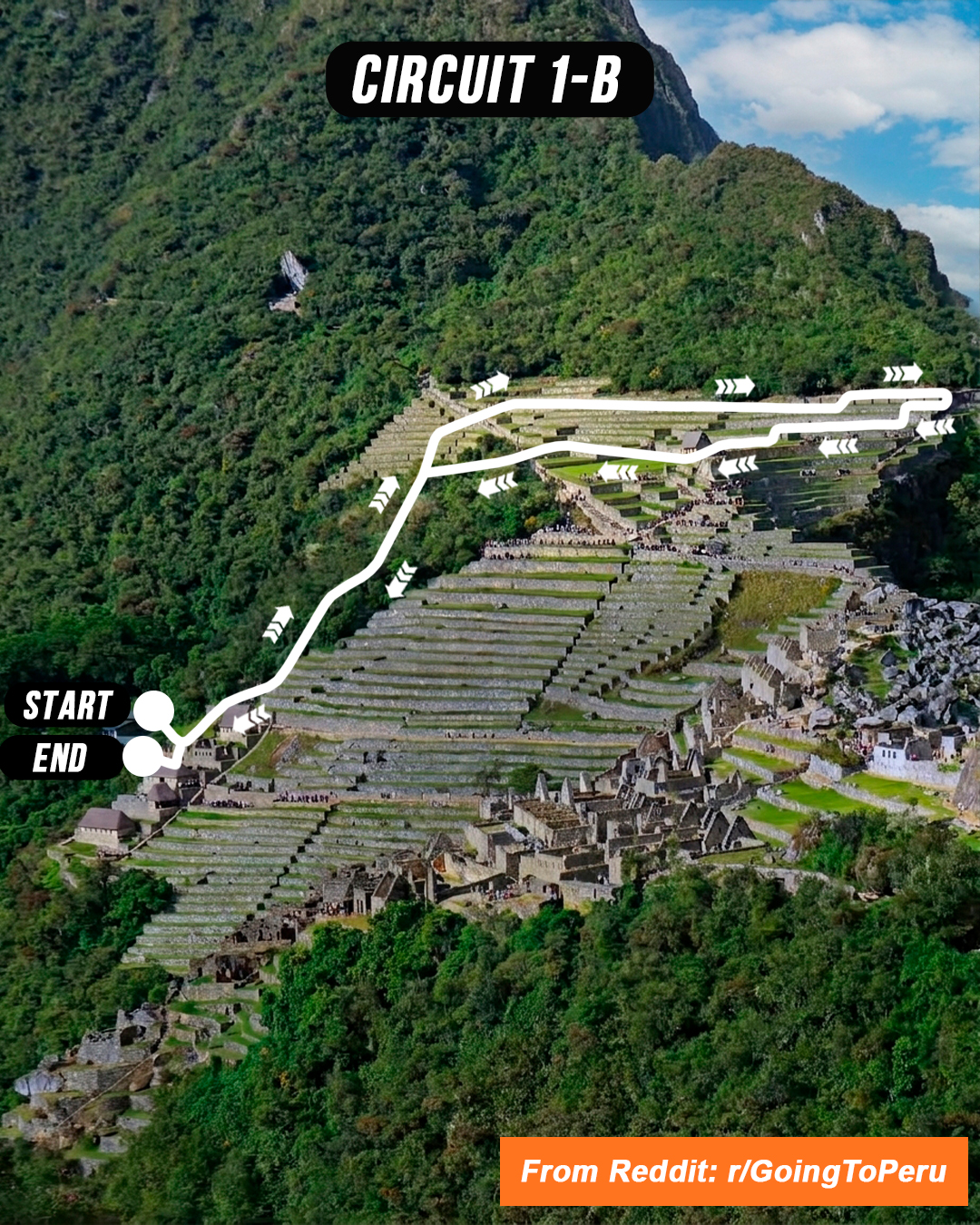
You walk up, you see the view, you leave. As of the 2025 season, enforcement tightened to limit it to that single attraction. For a first-time visitor who flew eighteen hours to be here, spending two hours at one viewpoint then exiting before seeing the temples can feel hollow. That said, as a second-day add-on paired with a Circuit 2 visit on day one, 1-B makes a lot of sense – you’re catching the view in different light, minus the crowds of the main circuit rush.
Route 1-A deserves a mention on its own. Machu Picchu Mountain reaches 3,082 meters – about 650 meters above the citadel itself – and the hike involves over 1,600 stone steps. The views from the summit are the widest available at the site: you see the entire ruins layout below, Huayna Picchu in the foreground, and the Urubamba River curving through the valley far beneath. It’s considerably less crowded than Huayna Picchu. The downside is time – 4-5 hours total means most of your Machu Picchu day is spent hiking, not exploring the ruins.
Unsure which circuit fits your trip? For a first visit, start with a Circuit 2 guided tour with the entrance ticket included and compare dates before you book trains.
What Does Circuit 2 Include and Who Is It For?
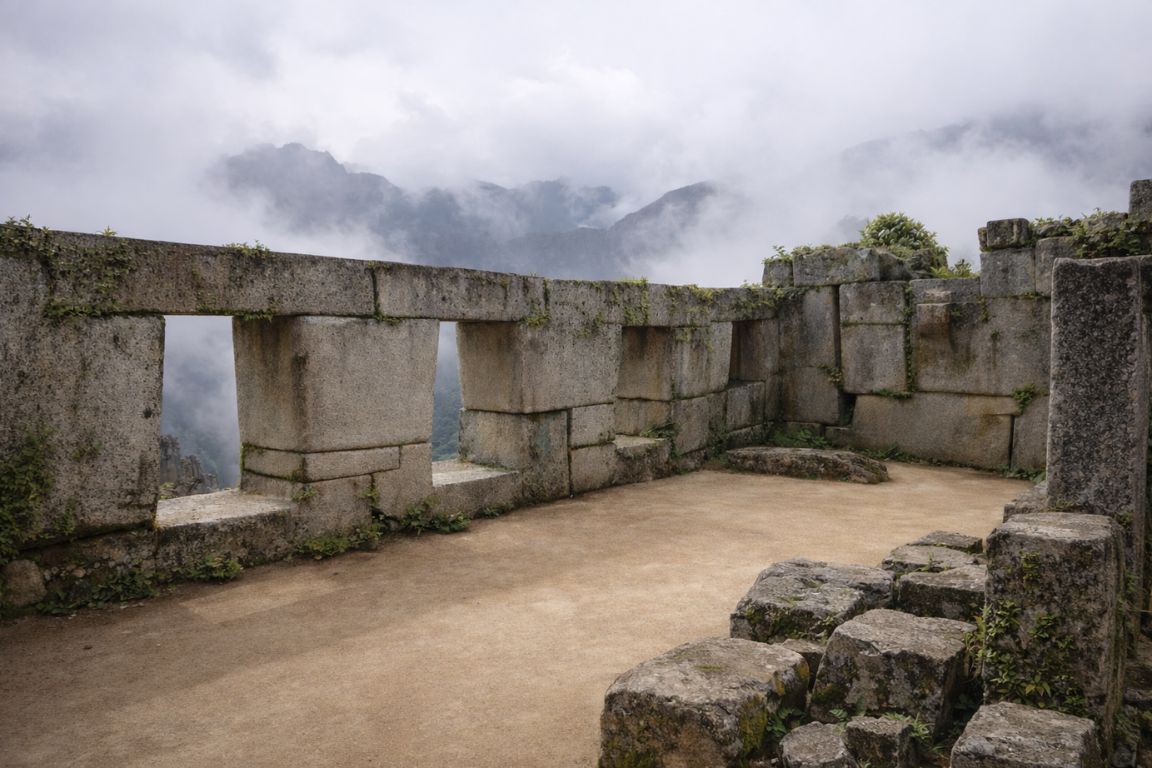
Circuit 2 (Machupicchu Clásico) is the most complete single-ticket experience available. Both routes – 2-A and 2-B – move through the full citadel: agricultural terraces, the main residential and ceremonial structures, the Temple of the Sun viewpoint, the Main Plaza, Sacred Rock, Sacred Plaza, Temple of the Condor, and the Water Mirrors. The key difference between 2-A and 2-B is the photo angle on entry, not the ruins you visit. Circuit 2 is the right choice for the vast majority of first-time visitors.
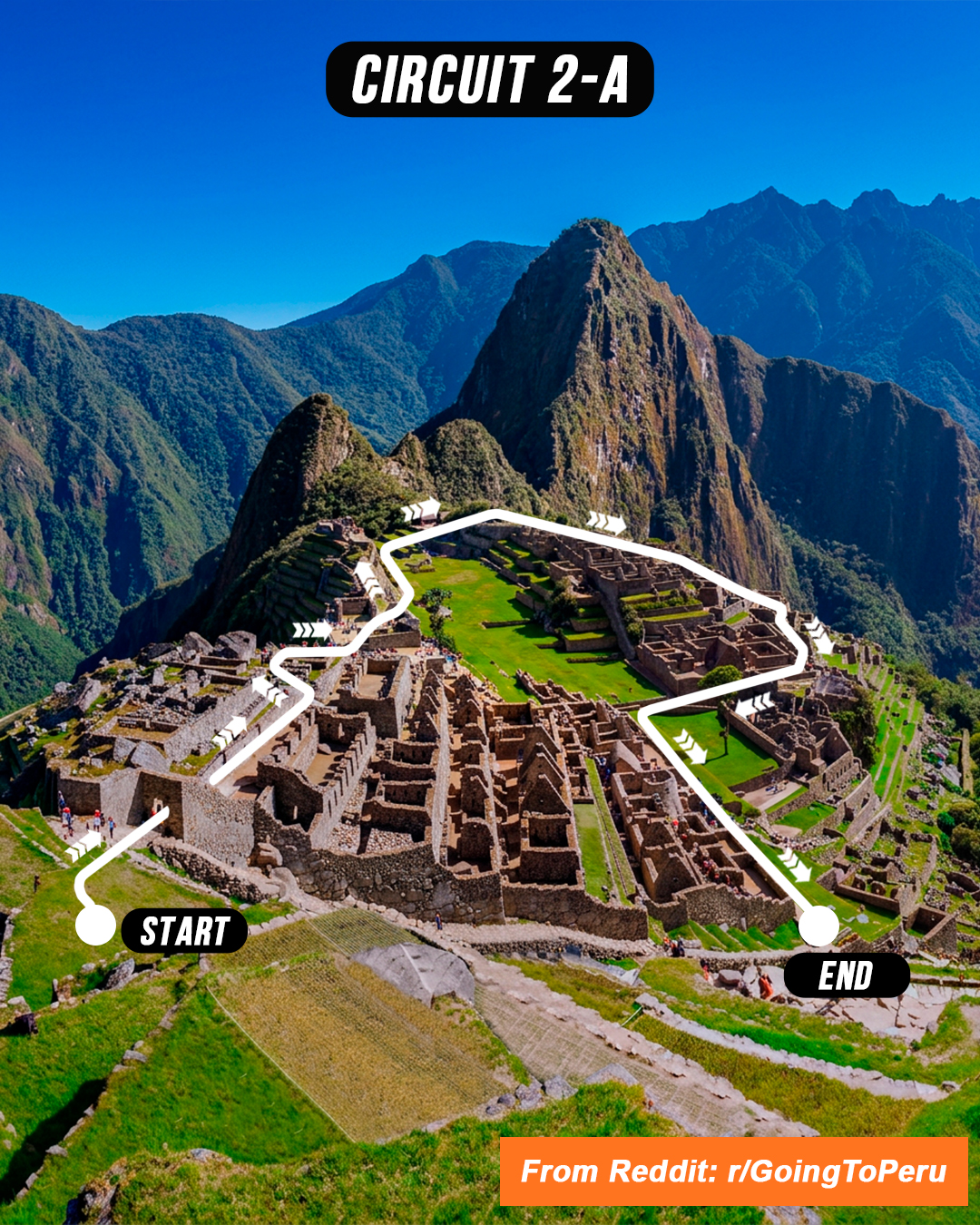
The 2-A versus 2-B question trips up more travelers than any other decision in the circuit system. Both routes cover essentially the same ground. The confusion exists because of one specific thing: the postcard view.
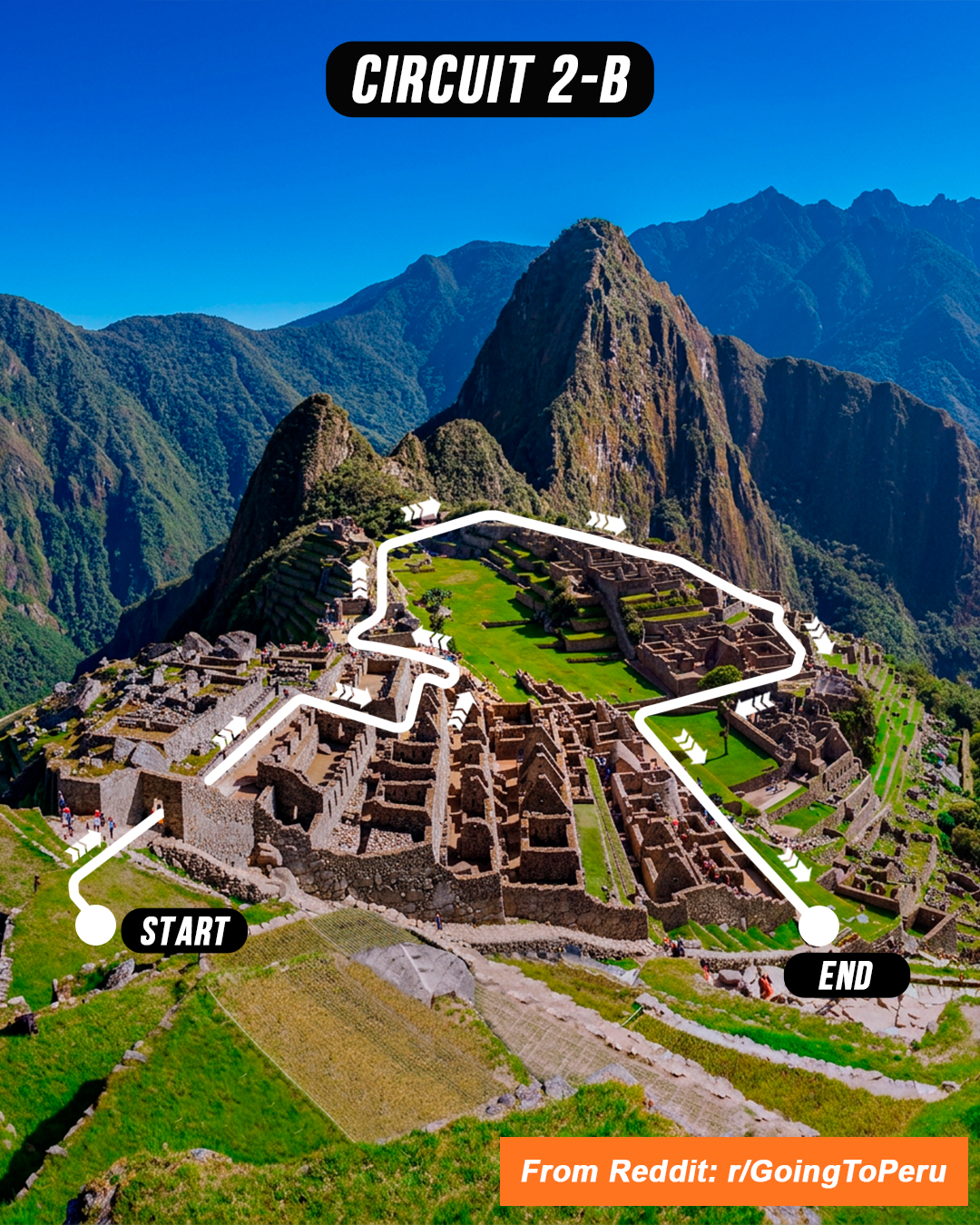
Every iconic photograph of Machu Picchu – the one where the citadel spreads across the ridge with Huayna Picchu rising behind it, agricultural terraces stepping down to the right – is taken from the upper terraces near the Guardian’s House. The two routes approach this spot differently.
Route 2-A enters through a slightly lower platform, closer to the Guardian’s House, and gives what’s described as the “Classic Close-Up Photo.” The citadel fills more of your frame. Route 2-B takes you to a higher platform first called the Lower Terrace, from which you get the wider, more horizontal “Postal Photo” – the truer postcard angle, citadel smaller in the frame, more sky, more mountain behind it.
After that opening divergence, both routes converge through the same structures: the Main Gate, the Temple of the Sun, the Inca Quarry, the Sacred Plaza with its Temple of Three Windows and Main Temple, the Intihuatana pyramid area (viewable from distance since 2024 – direct access restricted), the Sacred Rock, the Water Mirrors, and the Temple of the Condor. The Intihuatana restriction is worth noting: since June 2024, you no longer walk up to the stone itself on any circuit. You view it from below. This matters for travelers who specifically came to see it up close.
Circuit 2 Structures: What You See on Both Routes
| Classic panoramic view | The iconic citadel photograph | Close-up angle from lower platform | Wider “postal” angle from higher platform |
| Main Gate (Puerta Principal) | Original stone entrance to the citadel; frames Huayna Picchu | Yes | Yes |
| Temple of the Sun (Torreon) | Semi-circular tower aligned to winter solstice sunrise; finest stonework at the site | Viewpoint from above | Viewpoint from above |
| Inca Quarry | Scattered granite boulders mid-construction when the city was abandoned | 2-A descends to lower ruins first | 2-B walks through quarry first |
| Sacred Plaza | Houses Main Temple, Temple of Three Windows, and Sacristy – the spiritual heart of the city | Yes | Yes |
| Intihuatana Stone | Carved granite ritual stone, possibly astronomical; one of few not destroyed by Spanish | Viewable from distance (no direct access since 2024) | Viewable from distance (no direct access since 2024) |
| Sacred Rock | Flat stone mirroring the mountain profile behind it; gathering point for ceremony | Yes | Yes |
| Temple of the Condor | Stone wings carved into the rock form a condor in flight – one of the most striking structures at the site | Yes (open 10am–1pm) | Yes (open 10am–1pm) |
| Water Mirrors Complex | Series of Inca fountains and reflecting pools near the lower terraces | Yes | Yes |
The practical question: which one, 2-A or 2-B? Our take after guiding both routes repeatedly: the difference is real but smaller than the internet makes it sound. Both give you the iconic view. Both cover the same major structures. If you care deeply about getting the widest, most horizontal “postcard” shot, book 2-B for the higher viewpoint platform. If you want to move through the ruins more directly and spend less time on the initial upper terrace climb, 2-A flows more efficiently. For most travelers, the wiser move is just to secure whichever Circuit 2 route has availability on your date – and stop agonizing over 2-A versus 2-B.
One operational note from our guides on the ground: enforcement between 2-A and 2-B inside the site is inconsistent. The circuits converge quickly after the initial viewpoint divergence, and checkpoint staff don’t always verify sub-route once you’re inside the main ruins. That doesn’t mean you should ignore it, but it does mean the anxiety some travelers carry about booking the “wrong” 2-variant is probably disproportionate.
What Does Circuit 3 Include and Who Is It For?
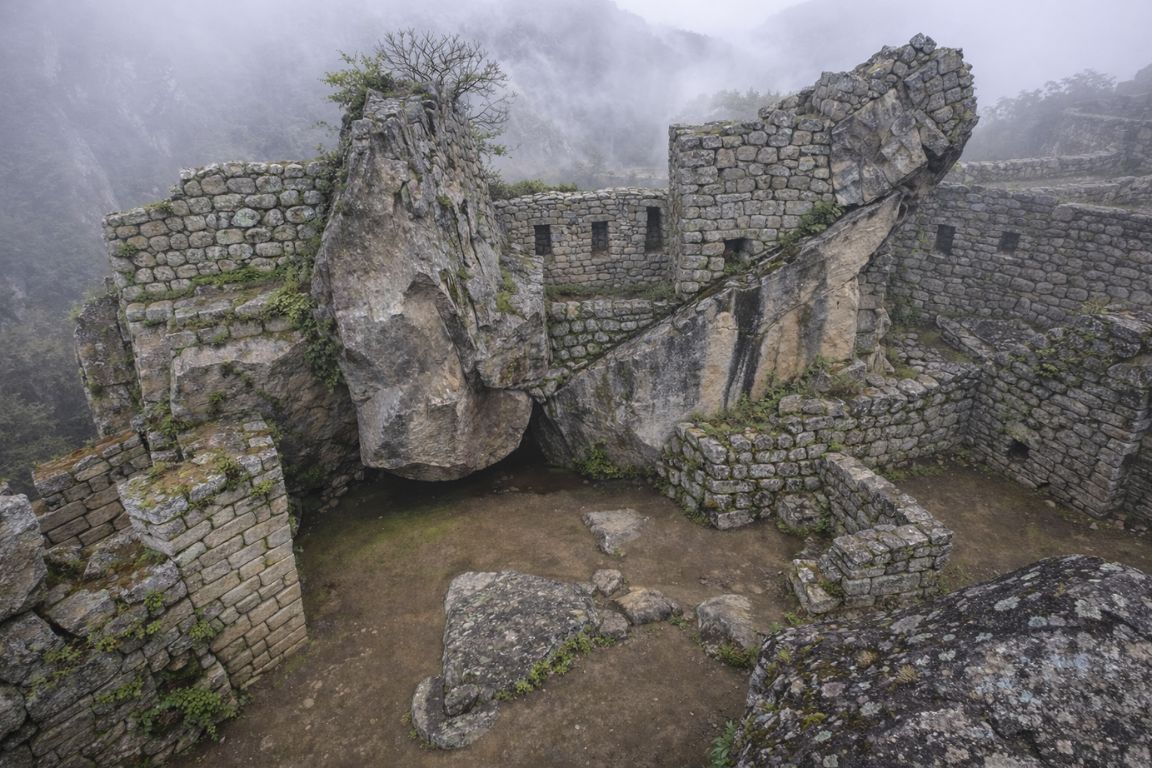
Circuit 3 (Machupicchu Realeza) covers the lower royal and ceremonial sector of the citadel, including the Temple of the Sun, the House of the Inca, and the Temple of the Condor. It does not give you the classic upper-terrace panoramic view. The base route (3-B) is shorter and involves fewer stairs than Circuit 2. The four Circuit 3 routes exist primarily as the only way to access Machu Picchu’s three mountain hikes – Huayna Picchu, Huchuy Picchu, and the Great Cavern. Without a mountain add-on, most first-time visitors will find 3-B less satisfying than Circuit 2.
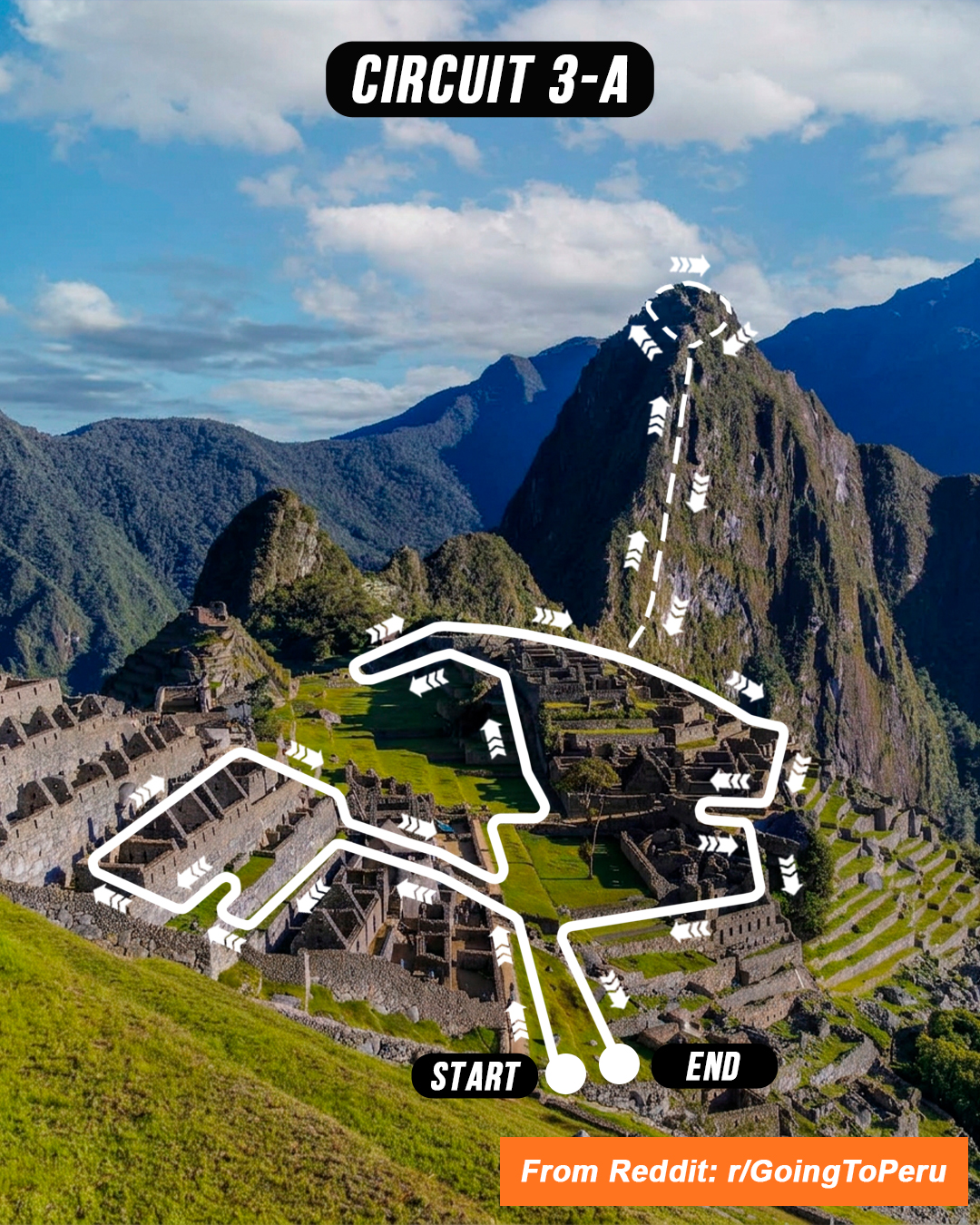
Circuit 3 is misunderstood in both directions. Some travelers book it thinking it’s equivalent to Circuit 2 but shorter. It isn’t – it misses the panoramic viewpoint entirely, giving a similar (but lower) view of the citadel from the agricultural terraces instead. Others skip it assuming it’s just the “budget” option. That misses the real reason Circuit 3 exists: the mountains.
Every mountain hike at Machu Picchu is locked to a specific circuit. Huayna Picchu is Route 3-A. Huchuy Picchu is Route 3-D. The Great Cavern is Route 3-C. There’s no way to combine Huayna Picchu with Circuit 2 on the same ticket. If climbing a mountain is part of your plan, you’re booking a Circuit 3 route. The ruins tour you get in Circuit 3 is then a bonus rather than the main event.
Wondering if you should attempt it? Check out our guide on is hiking Huayna Picchu dangerous in Machu Picchu guided tours – the answer depends a lot on your fitness and fear of heights.
The base 3-B route focuses on what the Ministry calls the “Realeza” (Royalty) sector: the lower urban zone where Inca royalty and priests lived and worshipped.
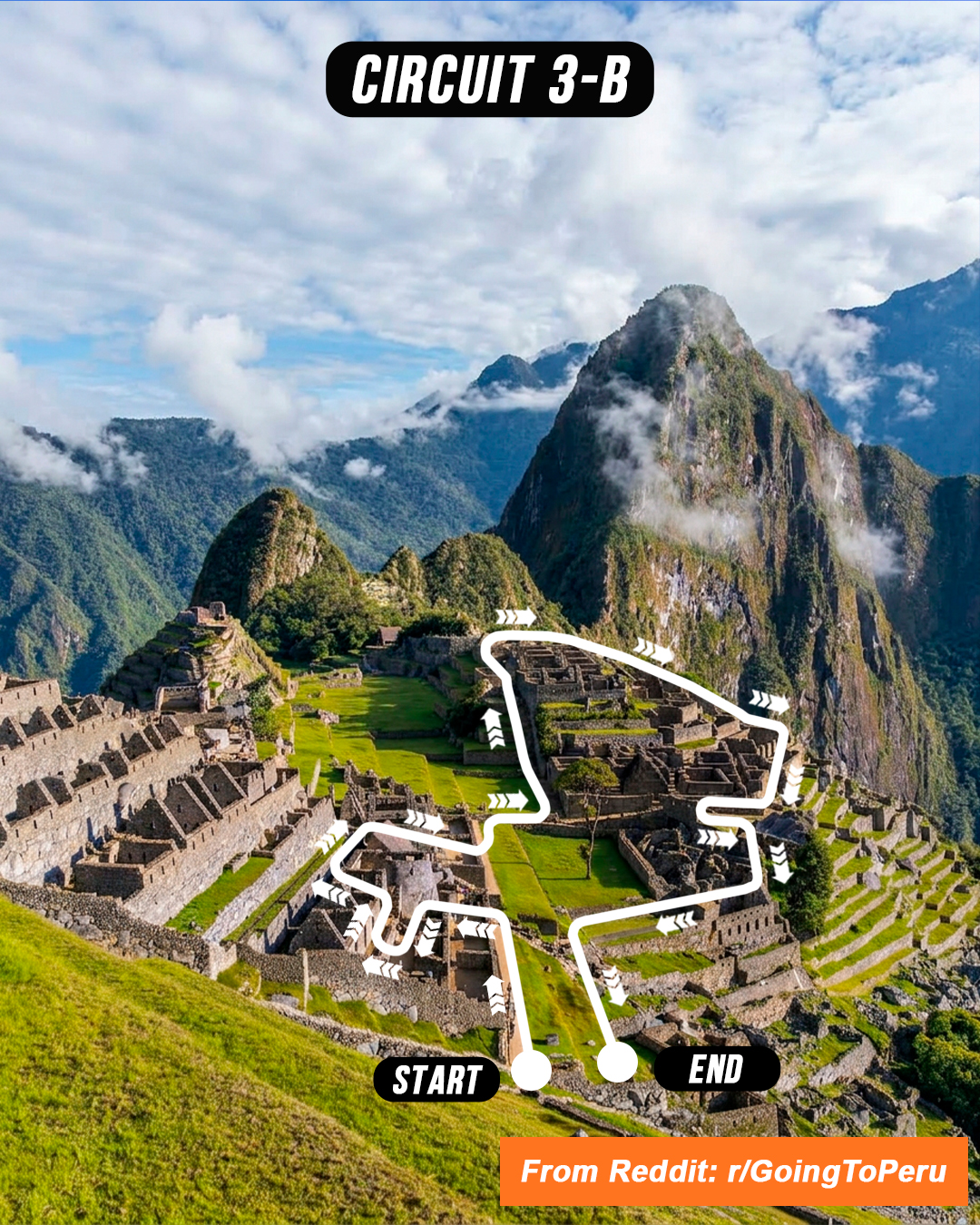
You still see the Temple of the Sun (from a viewing platform), the House of the Inca, the Sacred Rock, and the Temple of the Condor. The Main Temple, Sacred Plaza, and Temple of Three Windows are not included. You also get a view of the citadel from the lower agricultural terraces – similar angle to the iconic photo, but taken from lower down without the full upper-terrace platform.
Circuit 3 Routes: Base Tour + Mountain Options
| 3-B | No mountain | Lower royal sector only; 1-2 hrs | Low-moderate; fewer stairs than Circuit 2 | Year-round; all ages |
| 3-A | Huayna Picchu (Waynapicchu) | Summit: 2,720 m. Elevation gain: 290 m. Round trip: 1.5-2 hrs. Steep, narrow, requires hands at points. Stairs of Death section. Temple of the Moon en route. | Challenging. Not suitable for vertigo sufferers. | Year-round (closed June 2026); 12+ |
| 3-C | Great Cavern (Gran Caverna) | Ancient cave complex reached via the Huayna Picchu trail; up to 4 hrs total | Moderate-challenging; high season and adults only | High season only; 18+ |
| 3-D | Huchuy Picchu (“Small Mountain”) | Summit: 2,497 m. Elevation gain: 70 m. Round trip: ~1.5 hrs. Short, steep staircase sections with handrails available. Orchids and cloud forest. Quieter than Huayna Picchu. | Easy-moderate. Best mountain option for those wanting a hike without extreme exposure. | High season only; 18+ |
Huayna Picchu deserves an honest description. It’s the mountain in the background of every classic Machu Picchu photograph, a narrow spike rising sharply behind the ruins. The hike to its summit includes what locals call the “Escaleras de la Muerte” – the Stairs of Death – a near-vertical section of ancient stone steps cut directly into the cliff face. You use your hands. There are safety cables. The summit at 2,720 meters gives an exceptional close-up view looking down on the ruins, but it is not flat and can feel cramped when others are trying to navigate past you. The hike is limited to 350 people per day and sells out months ahead for peak season. It is not appropriate for anyone with a real fear of heights.
Huchuy Picchu is the underrated option. A much smaller peak at 2,497 meters – barely 67 meters above the citadel itself – the hike takes about 50 minutes up, with steep staircase sections and handrails. The view back toward the ruins and toward the larger Huayna Picchu is excellent. The trail runs through orchid-rich cloud forest. It doesn’t have Huayna Picchu‘s drama, but for travelers who want a mountain experience without the adrenaline and the queued-up crowds, it’s worth considering.
Mountain add-ons are sold as Circuit 3 tickets. Check a Circuit 3 guided tour if that is the route you need, and confirm any mountain add-on on the tour page.
Which Machu Picchu Circuit Should You Choose for Your First Visit?
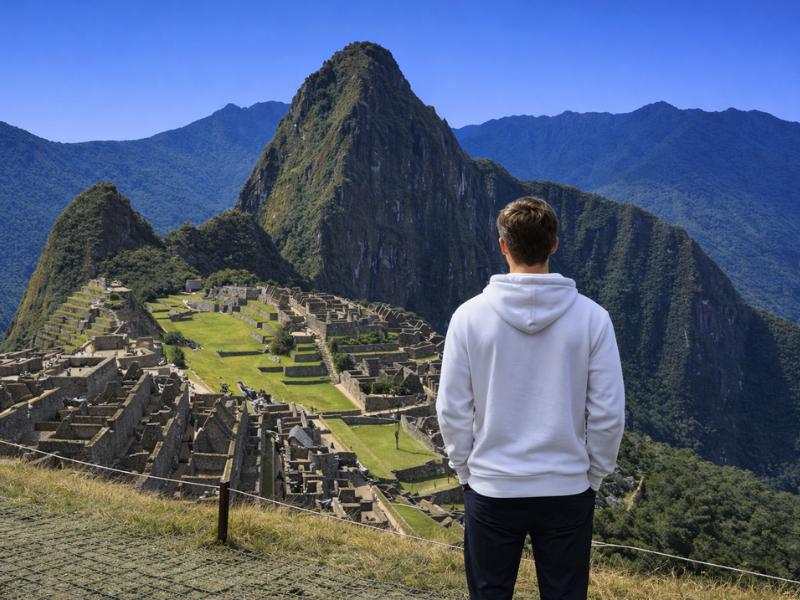
For a first visit, Circuit 2 (either 2-A or 2-B) is the right choice for the overwhelming majority of travelers. It’s the only circuit that combines the iconic panoramic viewpoint with access to the actual ruins – temples, plazas, the Condor, the Sacred Rock, all of it. Circuit 1-B works well as a second-day add-on when you’ve already done Circuit 2. Circuit 3 makes sense only if climbing a mountain is a priority, since it trades the panoramic view for mountain access.
The decision tree we walk travelers through is straightforward.
If you’re fit, visiting in high season, and climbing a mountain is a major draw: Circuit 3-A (Huayna Picchu book tour here) or Circuit 1-A (Machu Picchu Mountain) alongside a separate Circuit 2 ticket on the same or adjacent day. You can hold tickets for two different circuits on consecutive days. If you would rather not coordinate two tickets yourself, start with a full-day private tour by train and confirm what that operator can book for your dates.
First time visiting the ruins? Here’s how to visit Machu Picchu guided tours so you don’t show up unprepared for the entry system or miss out on booking a guide.
Circuit Recommendation by Traveler Type
| First-time visitor, one day | Circuit 2-A or 2-B | Only circuit combining panoramic view with full ruins access |
| First-time visitor, two days | Circuit 2 day 1 + Circuit 1-B day 2 | Covers ruins comprehensively then revisits the view in different light |
| Photography-focused traveler | Circuit 2-B for “postal” wide shot; Circuit 1-B for close panoramic | 2-B gives wider angle; 1-B gives dedicated viewpoint time without crowd pressure to move |
| Mountain hiker, high season | Circuit 3-A (Huayna Picchu) or 1-A (Machu Picchu Mountain) | Summit hikes require Circuit 3 or Circuit 1 tickets respectively |
| Senior / limited mobility | Circuit 1-B or Circuit 3-B | Fewest stairs; shorter duration; rubber-tipped poles permitted |
| Families with young children | Circuit 2-A (efficient flow) or Circuit 3-B (shorter) | Mountain hikes (3-A, 3-C, 3-D) restrict under-12s or under-18s |
| Inca Trail trekker (2-day route) | Circuit 3-B (included with Inca Trail permit from 2026) | 2026 regulations mandate Circuit 3-B inclusion with trail permits; consider adding a separate Circuit 2 ticket |
| Low-season solo visitor | Circuit 2-A or 2-B | 3-C and 3-D unavailable in low season; Circuit 2 gives best value in any season |
How Do the 10 Subroutes Differ and Which Ones Are Worth the Add-On?
The four circuit add-ons worth serious consideration are: Route 1-C (Sun Gate, high season) for anyone who wants the Inca Trail arrival experience without the multi-day trek; Route 1-A (Machu Picchu Mountain) for those wanting a summit with fewer crowds than Huayna Picchu; Route 3-A (Huayna Picchu) for the most dramatic aerial perspective and those comfortable with vertiginous exposure; and Route 3-D (Huchuy Picchu, high season) as the underrated option – shorter, quieter, and still genuinely impressive. The Great Cavern (3-C) suits a very specific traveler willing to spend 4 hours on a single addition.
The mountain hike comparison is where most travelers get genuinely stuck, so let’s be direct about each one.
Mountain Hike Comparison: Huayna Picchu vs. Machu Picchu Mountain vs. Huchuy Picchu
| Summit elevation | 2,720 m | 3,082 m | 2,497 m |
| Elevation gain | 290 m | 621 m (more than double) | 70 m |
| Round trip time | 1.5-2 hrs | 2.5-3 hrs | ~1.5 hrs |
| Trail character | Steep, narrow, hands required at points, “Stairs of Death” section, exposed drop-offs | Long, wide trail, less steep than Huayna Picchu, no technical sections, 1,600+ steps | Steep staircase sections with handrails, short distance, cloud forest |
| View from top | Close aerial of ruins; dramatic, citadel fills frame; rocky uneven summit | Full 360-degree panorama; ruins, Huayna Picchu, Urubamba River, Salkantay; flat summit | Good view of ruins and Huayna Picchu; less panoramic than the larger peaks |
| Crowds | 350 tickets/day; sells out fastest | 350 tickets/day; less demand than Huayna Picchu | Limited; high season only; quieter |
| Unique feature | Temple of the Moon en route | No Inca ruins; views of Huayna Picchu from above | Orchid-rich cloud forest; 300+ orchid species in sanctuary |
| Vertigo concern | High – exposed sections, real drop-offs | Low – wide trail, minimal exposure | Low-moderate – steep stairs but handrails, short distance |
| Minimum age | 12 years | 12 years | 18 years |
| Paired circuit | Circuit 3 | Circuit 1 | Circuit 3 (high season only) |
The Sun Gate (book tour here) (Route 1-C) is worth separating out because it’s underestimated. Intipunku sits at 2,745 meters above the citadel – it’s where Inca Trail trekkers arrive on day four, staggering through the ancient gateway to their first view of Machu Picchu below. The walk from the upper terrace takes about an hour each way, and the view back down toward the ruins from the gate is one of the most cinematic perspectives at the site. Only available in high season and not widely publicized, it draws significantly fewer people than the mountain hikes and requires no special fitness beyond two hours of walking on an Inca stone path.
Planning your Peru schedule? This breakdown of how many days you need for Machu Picchu guided tours shows you what’s possible with 1, 2, or 3 days depending on where you’re coming from.
How Do You Book the Right Circuit and What Happens If You Pick Wrong?
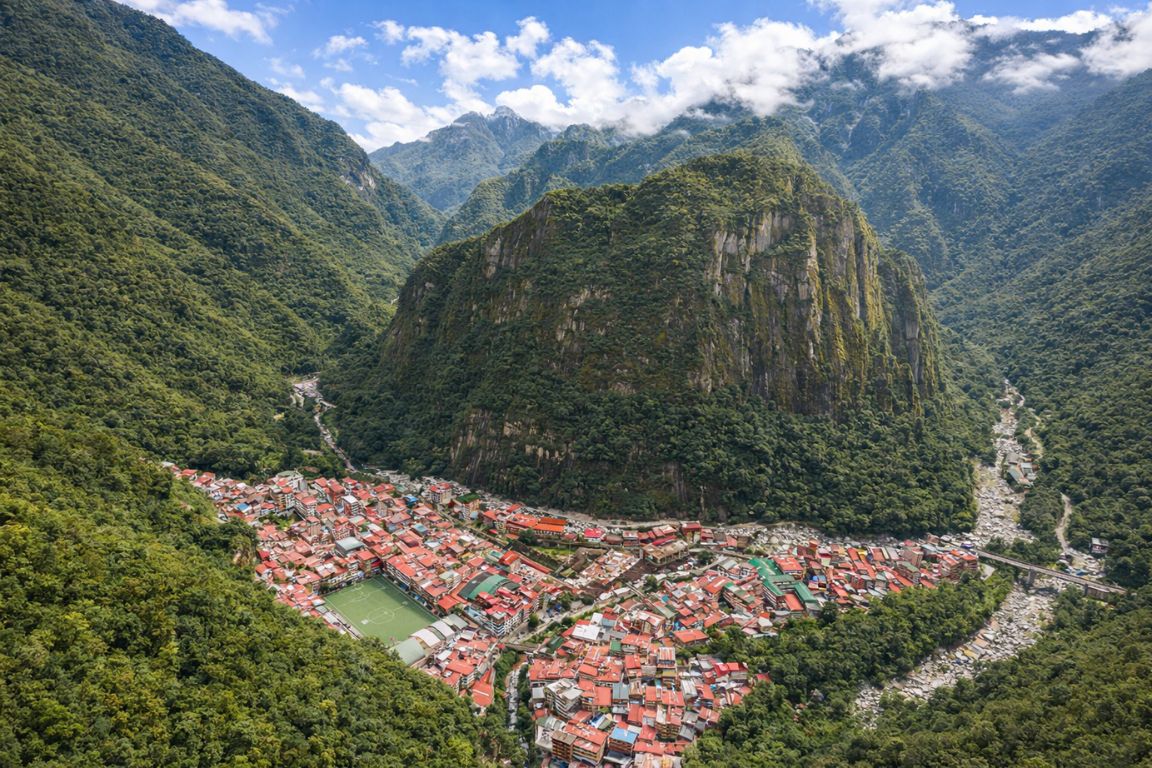
All tickets must be purchased through tuboleto.cultura.pe – the only authorized government platform. You choose your circuit, specific route, date, and entry hour at purchase. Names must match passports exactly. Tickets are non-refundable. A 30-minute grace window applies at the gate. If you book the wrong circuit, changing it requires contacting the Ministry through official channels, and availability for alternatives is not guaranteed – especially in peak season. A guided tour with ticket booking moves the Ministry purchase to an operator who handles that step daily.
The booking sequence matters. The Ministry of Culture releases tickets on a rolling calendar – for 2026, most monthly blocks opened in January, meaning popular July and August dates were theoretically bookable five or six months in advance. In practice, Circuit 2 tickets for peak July weekends are gone within days or weeks of release. If you’re planning a high-season trip, the booking timeline works backwards: figure out your Machu Picchu date first, then build trains and accommodation around it.
Entry is timed in hourly slots from 6:00 AM through 4:00 PM, with the last permitted entry at 4:30 (using the 30-minute grace window). The early slots – particularly 6:00 and 7:00 AM – offer the best light, the thinnest crowds, and the mist that most people picture when they imagine Machu Picchu. They also require being on the bus from Aguas Calientes by 5:15-5:30 AM, which means a pre-dawn start. It’s worth it. The 10:00-11:00 AM slots are typically the most crowded, particularly at the Guardian House viewpoint.
Common booking mistakes we see with first-timers. First, booking Circuit 1 when they meant Circuit 2 – they see “includes the classic viewpoint” and don’t read far enough to notice there are no ruins on Circuit 1. Second, booking mountain tickets (3-A, 3-C) in low season when those routes are unavailable – this produces a valid ticket for a closed route, which requires change requests before arrival. Third, passport name mismatches: middle names, hyphenated surnames, and name order differences between what’s on the ticket and what’s on the document. The Ministry is strict about this. Book using the exact name as it appears in the passport.
What actually happens if you pick the wrong circuit and realize it before you arrive: contact tuboleto.cultura.pe directly or work through your tour operator. Circuit changes are subject to availability and involve an approval process. They’re possible in advance. They are not possible at the gate.
If you’re torn between rushing it or taking your time, here’s our honest comparison of one-day vs two-day Machu Picchu guided tours based on what each approach feels like.
What Our Travelers Actually Choose: Data From Our 2024-2025 Season
After 1,600+ guided visitors to Machu Picchu, the circuit preference patterns from our groups are clear. This is what we observe from our own booking history.
| Circuit 2-A | ~45% | First-time visitors, couples, families with teens |
| Circuit 2-B | ~25% | Photography-focused travelers; those specifically after the “postal photo” angle |
| Circuit 3-A (Huayna Picchu) | ~12% | Active travelers in their 20s-40s, booked well in advance |
| Circuit 1-A (MP Mountain) | ~8% | Hikers wanting the summit without Huayna Picchu‘s exposure |
| Circuit 1-B (panoramic only) | ~6% | Second-day visits; seniors; tight train schedules |
| Circuit 3-B (royalty, no mountain) | ~4% | Mobility-limited travelers; families with small children |
The clearest takeaway from our own data: the traveler who books a mountain hike but doesn’t separately arrange a Circuit 2 visit walks away feeling like they saw Machu Picchu from above but not from inside. Our standard recommendation for anyone booking a mountain add-on is to plan a Circuit 2 visit on an adjacent day. The site is completely different from trail level.
Frequently Asked Questions
Can I do two circuits in one day?
Yes, but you need two separate tickets with staggered entry times. Re-entry on the same ticket is not permitted under any circumstances. Some travelers combine Circuit 1-B early (for the mist at the viewpoint) with Circuit 2 later in the morning. It requires careful timing with trains and buses but is feasible with a pre-planned itinerary.
Can I switch circuits at the gate if my preference has changed?
No. Your circuit is locked at booking and tied to your passport. The Ministry does not permit walk-in circuit changes. If you realize you’ve booked the wrong circuit before arrival, contact tuboleto.cultura.pe – changes are subject to availability but possible in advance. At the gate, your ticket is what it is.
Is Circuit 2-A or Circuit 2-B better?
The difference is real but smaller than most articles imply. Route 2-A gives the “close-up classic” photo angle. Route 2-B takes you to a higher platform for the wider “postcard” angle. Both routes cover the same major structures after the initial viewpoint. If both have availability on your date, 2-A flows slightly more efficiently for most travelers. If only one is available, book it without anxiety – you’re still doing Circuit 2.
Do I need a guide to do the circuits?
As of 2025, a licensed guide is mandatory for all visitors on their first entry. For a return visit with a prior ticket as proof, independent entry may be possible. For circuit navigation specifically, a guide is genuinely valuable – the one-way paths have checkpoints, but within the ruins the structures are not labeled and context is everything. The Temple of the Sun, the Sacred Plaza, the Intihuatana – without explanation, they’re impressive stone walls. With the right guide, they make complete sense in a way that stays with you for years.
Are the circuits marked inside the site?
The main circuit entry lines are separated at the gate (Circuits 1, 2, and 3 have distinct entry points). Inside the ruins, the path is one-way and marked, but enforcement of sub-route differences (2-A versus 2-B for example) is inconsistent once you’re past the initial viewpoint split. The mountain hike add-ons (Huayna Picchu, Huchuy Picchu) have dedicated checkpoints and are enforced strictly.
What are the daily ticket limits per circuit?
The site allows up to 4,500 visitors per day in regular season and 5,600 on designated high-season dates (Jan 1, Apr 2-5, Jun 19-Nov 2, Dec 30-31). Within that total, Circuit 2 holds the largest allocation – approximately 3,050 tickets per day. Circuit 1 has about 1,100. Mountain add-ons are capped at 350 each for Huayna Picchu and Machu Picchu Mountain. Figures verified February 2026.
Written by Diego Alejandro Ramirez
Peruvian tour guide since 2009 · Founder, Machu Picchu Guided Tours
Diego has guided over 1,600 travelers through Machu Picchu and the Sacred Valley since founding the agency.
Choose Access Before Transport
Check your date before arranging the rest. We may earn commission through this booking link.