Is Hiking Huayna Picchu Dangerous?
Is Huayna Picchu dangerous? Not if you stay on the marked trail. The real risks are wet conditions and fear of heights—here’s the honest breakdown.
The Huayna product is a ticket, not a guided safety service. A non-mountain citadel walk is a different experience.
Huayna Picchu Quick Facts 2026
| Summit elevation | 2,693 m (8,835 ft) above sea level |
| Elevation gain | 360 m (1,180 ft) from Machu Picchu base |
| Round-trip distance | 4 km (2.5 miles) loop |
| Time to complete | 2 to 3 hours (60 min up, 45 min down, time at summit) |
| Ticket required | Machu Picchu + Huayna Picchu (Route 3A) |
| Ticket price (foreign adults, 2026) | 200 Peruvian soles (approx. US $52). Prices verified February 20, 2026. |
| Daily permit limit | 350 total / 175 per group |
| Entry groups | Group 1: Machu Picchu entry 07:00, Huayna Picchu entry by 09:00. Group 2: Machu Picchu entry 09:00, Huayna Picchu entry by 11:00 |
| Age requirement | 18 and older (as of current 2026 regulations) |
| Difficulty rating | Moderate to difficult (steep stairs, narrow paths, some exposed sections) |
| Booking lead time | 3 to 4 months minimum; peak season (June to August) often sells out faster |
| June 2026 status | CLOSED all of June 2026 for trail maintenance and conservation |
| Best season | May through September (dry season). Avoid November through April for safety |
| Guide required? | No. But a guide is required to enter Machu Picchu itself before starting the hike |
Important 2026 update: Huayna Picchu Mountain will be closed for the entire month of June 2026 for maintenance and conservation work on the trails and the Inca archaeological site. If you hold tickets for dates in June, the Ministry of Culture will issue full refunds. Plan accordingly.
What Is Huayna Picchu and Why Does It Have This Reputation?
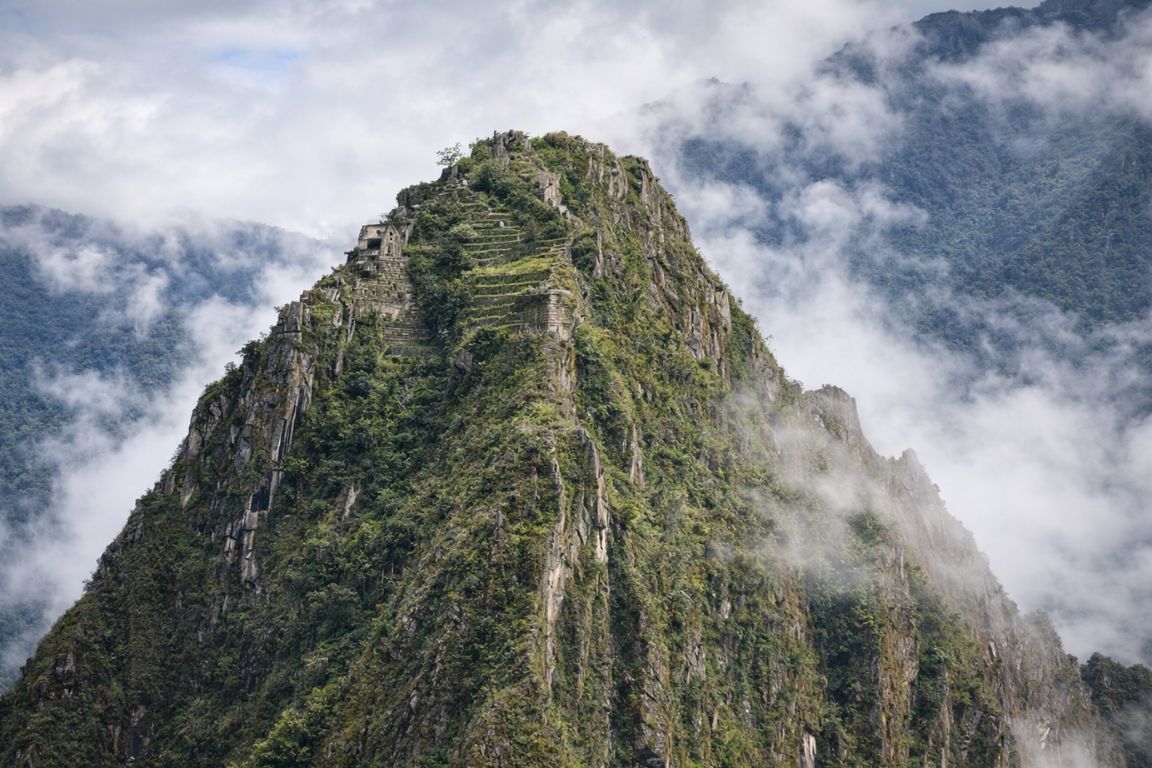
Huayna Picchu is the steep, cone-shaped mountain that appears in virtually every famous photograph of Machu Picchu, rising directly behind the ruins. Its nickname, “the Stairs of Death,” spread through travel forums in the early 2000s and has been generating nervous questions ever since. The trail is genuinely challenging and includes exposed sections near vertical drops, but confirmed fatalities on the hike itself are a handful over several decades of documented visits. The reputation is largely built on visual drama, not statistical danger.
The name comes from the Quechua words for “young mountain.” At 2,693 meters above sea level, its summit sits about 260 meters higher than Machu Picchu itself, and 263 meters higher than the altitude where most travelers start feeling altitude’s first effects. The Incas built temples and agricultural terraces at its peak, and the stone stairways date back over 500 years.
When tourism to Machu Picchu began expanding in the late 20th century, Huayna Picchu had no formal access controls. Hikers went up and came back down the same way, including descending the section now called the Stairs of Death. The descent was genuinely frightening. Videos and photos from that era made it onto early travel websites, and the reputation calcified long before the Peruvian government began regulating the trail, reversing the direction of travel on the most exposed section, and installing steel cables for support. Today’s hike is meaningfully safer than what people were doing in the 1990s.
Only 350 people are permitted on Huayna Picchu per day, divided across two timed entry groups. That daily cap has been in place since 2011. Every hiker must register at the checkpoint before ascending, and rangers track arrivals and departures. It is not a free-for-all mountain.
How Difficult Is the Hike, Really?
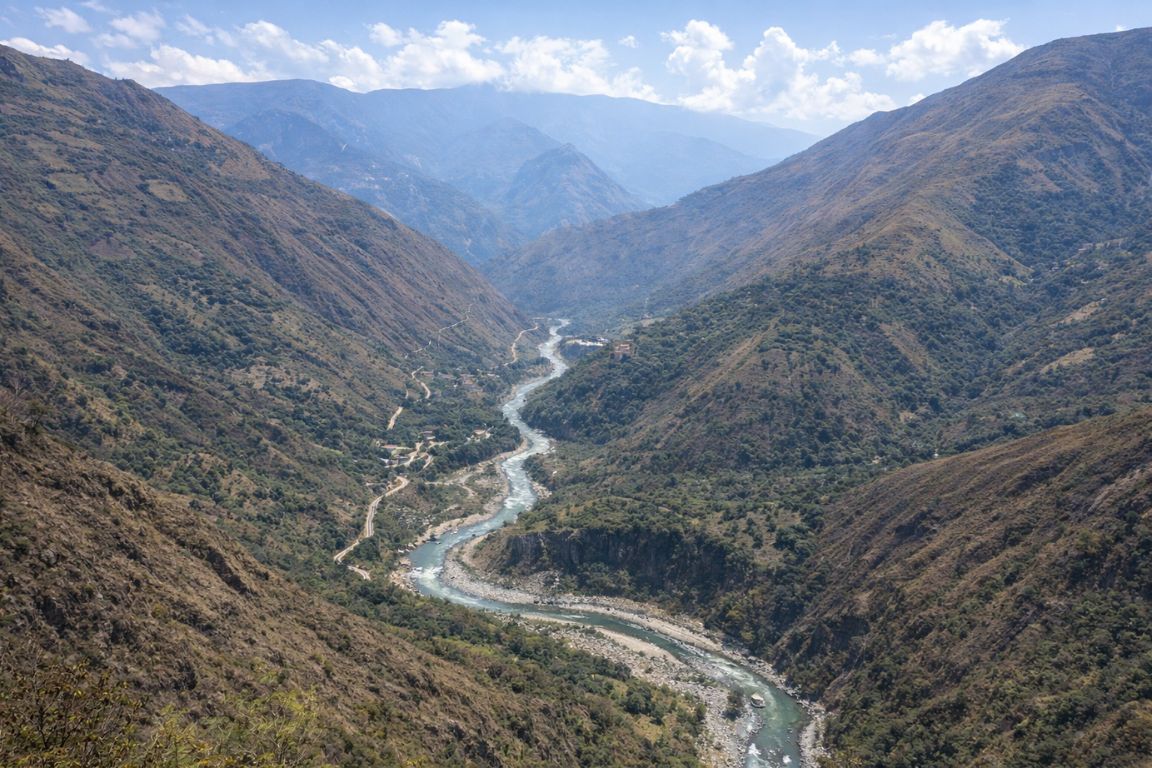
The hike is short (4 km round trip) but relentlessly steep. From the checkpoint at the base of Huayna Picchu, you gain 360 meters of elevation in roughly 2 kilometers, most of it on 500-year-old stone stairs that range from merely steep to genuinely vertical in the final stretch. Expect to use your hands on the rock face in two or three spots near the top. People in reasonable fitness complete it regularly. The physical difficulty is real; calling it casual would be wrong.
The trail begins with a moderate descent before the real climb starts, which surprises most people expecting an immediate wall of stairs. After about 10 to 15 minutes of walking through jungle vegetation, the incline increases sharply and stays that way. Stone steps built directly into the mountainside. Many narrow sections where hikers going opposite directions have to turn sideways to pass.
Before the summit, there is a narrow rock tunnel, sometimes called the chokepoint, that the Incas apparently designed as a defensive measure. Taller hikers need to crouch. After heavy rain, water drips through the roof and runs down the walls, making the stone wet. This section gives claustrophobic travelers some trouble, though it is short.
The Stairs of Death section arrives near the top. They are steep and the drop on one side is real, but they are also equipped with fixed steel cables to hold, and you walk up them now rather than down. Hikers in 1993 descended those stairs. That was genuinely dangerous. The current configuration is much more manageable, and multiple Tripadvisor reviewers who describe themselves as afraid of heights note that the stairs were less frightening than they expected, specifically because you are ascending and have something to grip.
The summit is a compact rocky platform with terraces and Inca structures. Views of Machu Picchu and the Urubamba River stretch in every direction. Most people need 45 to 60 minutes to reach the top, depending on pace and how many times they stop. The descent takes about 45 minutes. Total time including summit time runs 2 to 3 hours.
One practical note: Huayna Picchu tickets come with access to Circuit 3, which covers the lower sector of Machu Picchu. You will not get the classic Guardian’s Hut postcard view of the ruins on this ticket. That view sits on Circuit 1 and 2. If the iconic first photograph of Machu Picchu matters deeply to you, plan a separate day or pair your tickets carefully.
If you want to see every option laid out clearly, here’s our Machu Picchu circuits breakdown with subroutes so you can compare what you’ll actually see on each path.
What Are the Actual Dangers?
Two real risks exist on Huayna Picchu: wet conditions and heights. Wet stone steps become genuinely slippery, and the Peruvian rainy season runs November through April, which overlaps with significant tourist months. Heights are the second risk, not because the trail forces you close to drops constantly, but because a person whose fear of heights causes them to freeze or panic on narrow exposed sections is in a harder position than a person who simply finds it tiring.
The trail is made of Inca stone, which is quite grippy when dry. When wet, the same surfaces become treacherous. A local licensed tour operator with years of experience guiding at Machu Picchu advises against hiking Huayna Picchu in the wet season not because the trail is unmanageable, but because the combination of narrow paths and steep drops with slippery footing changes the risk calculation substantially. If you visit between November and April and the day brings rain, seriously consider whether to proceed. The mountain is open, but conditions make a real difference.
Lightning is worth mentioning. In 2004, a tourist was struck by lightning on Huayna Picchu. Do not summit during a thunderstorm. The exposed peak offers no shelter and no way down that is protected from an electrical strike. If you see dark clouds building while ascending, turn around. This is not overthinking it. It is the correct decision.
Altitude is a secondary factor. Huayna Picchu‘s summit sits at 2,693 meters, which is above the 2,500-meter threshold where altitude sickness symptoms can begin. Machu Picchu itself sits at 2,430 meters, slightly below that threshold. The gain of another 260 meters during the hike is modest, but it matters if you have not acclimatized to Cusco (at 3,400 meters) for at least two days before your visit. Most people who feel altitude effects on Huayna Picchu report headaches and shortness of breath on the steeper sections, not serious mountain sickness, because the altitude ceiling here is much lower than anything on the Classic Inca Trail (book tour here) .
The biggest documented risk is not the trail itself. It is barrier-crossing. The 2016 death of a German tourist near Machu Picchu involved crossing a safety barrier to attempt a jumping photograph at a cliff edge. Similar incidents across the decades trace back to the same pattern: someone leaves the designated path or ignores a rope or a sign, and something goes wrong. The trail is clearly marked. Rangers monitor the mountain. People who stay on it are almost always fine.
We’ve got altitude at Machu Picchu guided tours explained in detail because understanding the elevation differences between Cusco, Aguas Calientes, and the ruins matters for acclimatization.
Who Should Not Hike Huayna Picchu?
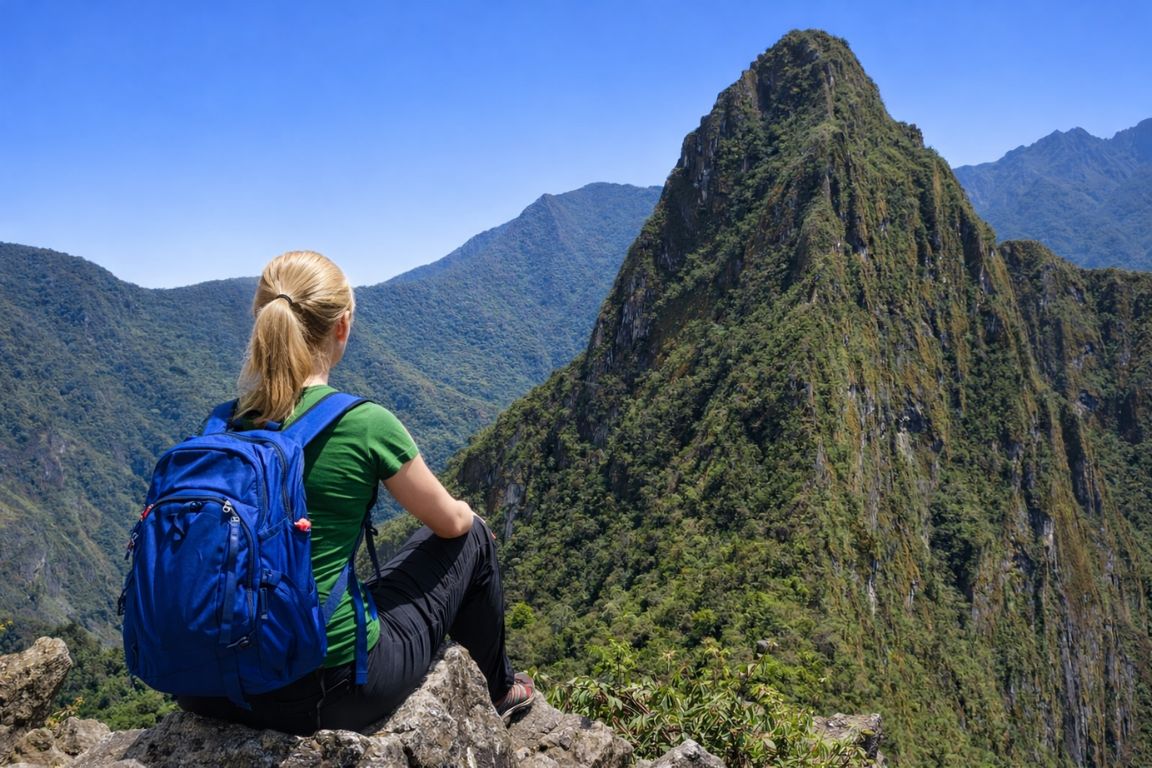
If you have acrophobia or vertigo, skip Huayna Picchu and read about Huchuy Picchu below. Pregnant women, travelers with serious heart conditions, and anyone with significant knee problems on the descent should also reconsider or consult a doctor first. Children under 18 are excluded by current regulations. Beyond those categories, the hike is physically demanding but achievable for people in reasonable health who are comfortable in exposed terrain.
The acrophobia question deserves a careful answer. There is a real distinction between a fear of heights (acrophobia, which responds to the sensation of being high up) and a fear of falling (basophobia, which responds to the perceived possibility of falling from an exposed position). Many people conflate them. On Huayna Picchu, the relevant fear is basophobia, not acrophobia. You are exposed to significant drops in several places, and the trail at those points is narrow. A person who fears heights in the abstract but trusts their feet on stable surfaces often manages the hike without serious difficulty. A person whose fear response is triggered specifically by the proximity to a long fall may freeze in the narrow exposed sections, which creates a genuinely dangerous situation. Security staff have had to escort distressed visitors back down the mountain. Before you buy a ticket, honest self-assessment matters more than bravery.
Knee issues on the descent are real. The stone stairs going down are steep and uneven. Trekkers returning from 4-day Inca Trail hikes sometimes cancel their Huayna Picchu tickets at Machu Picchu because their knees are already spent. If you are visiting after a multi-day trek, know that descending Huayna Picchu on tired legs with some knee inflammation is harder than it sounds on paper.
Older travelers often complete the hike without difficulty. A 65-year-old from British Columbia who did it in 2010 described it as a great experience. Many older adults hike Huayna Picchu every season. If you are over 60 or managing a cardiac history, the advice is simply to get a doctor’s clearance before committing, not to assume it is off the table.
Not sure if it’s suitable for older adults? Our guide on Machu Picchu guided tours for seniors covers accessibility, physical requirements, and how to choose tours that match actual fitness levels.
A genuine middle ground exists. Huchuy Picchu, the smaller summit that sits at the base of Huayna Picchu and shares the same checkpoint, offers views of the citadel and surrounding mountains with only 70 meters of elevation gain, minimal exposure, and a round trip of about 1 to 1.5 hours. It was formalized as a separate route by the Ministry of Culture in 2021 and is now a solid option for travelers who want to climb something without committing to the full Huayna Picchu experience. More on alternatives below.
What Do the Confirmed Incidents Tell Us About Risk?
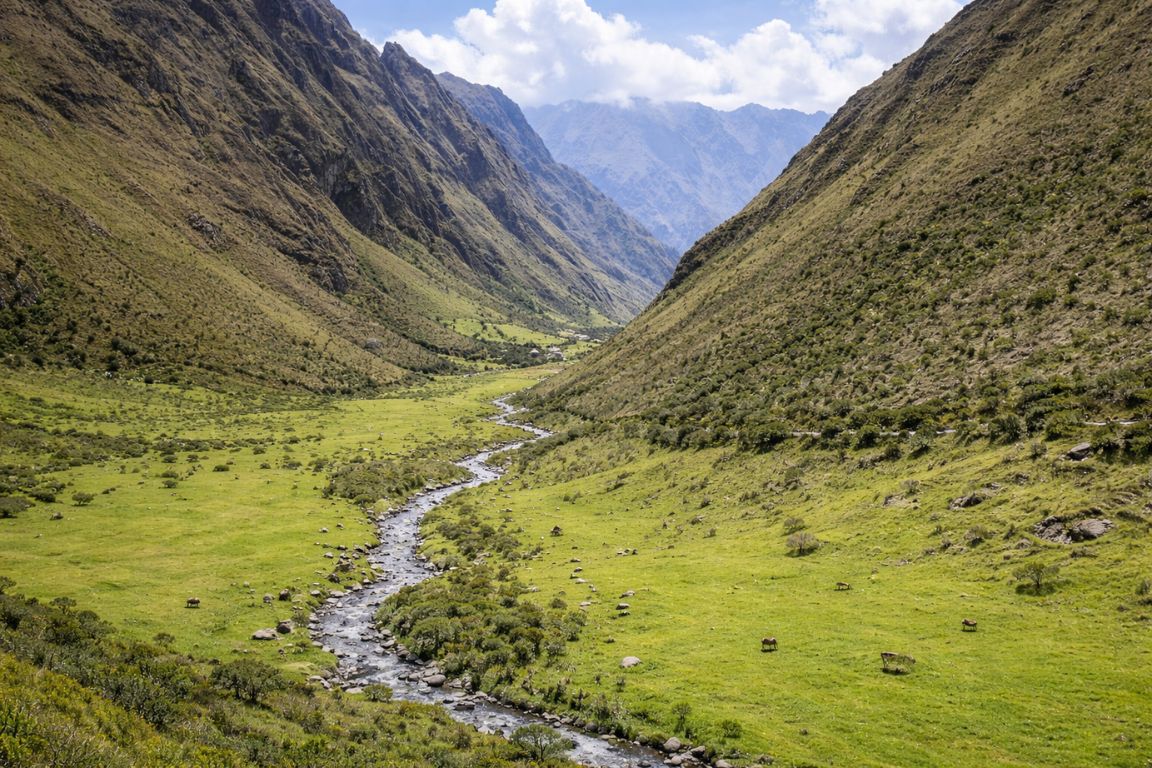
Confirmed, source-verified fatalities on or directly attributed to Huayna Picchu specifically are a handful over roughly 30 years of documented modern visitation, against hundreds of thousands of successful hikes. The confirmed cases include a fall in 1997, a lightning strike in 2004, and a handful of additional incidents whose details are contested or unclear. The internet has greatly amplified these numbers. Most “deaths at Machu Picchu” stories involve the broader park, the Inca Trail, or Aguas Calientes, not Huayna Picchu itself.
The raw math matters. On a trail that sees roughly 300 to 350 hikers per day, open approximately 10 months of the year (it closes each February for general Inca Trail maintenance and had a March-April 2025 closure due to landslide damage), the annual visitor count is somewhere around 90,000 to 100,000 people. Even if you accepted every death rumor as confirmed, the rate would still put car travel in most Western countries at significantly higher risk. One analyst, writing a German hiking perspective, estimated a 0.00002 percent chance per hiker based on a generous reading of the rumors. That figure is not a guarantee of safety. It does put the rhetoric in proportion.
The more useful data point from our guides and from the network of Cusco-based operators is that common recorded incidents are minor, not fatal: anxiety episodes, exhaustion requiring assistance, slips that result in bruises or sprains. Rangers on the mountain are trained in emergency response and conduct monthly evacuation drills. Every hiker’s name is logged at the checkpoint entrance and exit. If someone does not return, a search begins.
The pattern in serious incidents is consistent enough to function as a rule: barrier-crossing kills people. The trail does not. One experienced guide who has done the hike more times than he can count told me he has seen two deaths in his years at Machu Picchu. One was a heart attack near Dead Woman’s Pass on the Classic Trail. One was a person who climbed over a security rope for a selfie at Huayna Picchu. He has not seen anyone die on the trail while hiking it properly.
Huayna Picchu tickets sell out weeks before peak dates, and they cannot be transferred or refunded. If you want the summit experience on your schedule, getting permits sorted early is the single most important logistical decision. A guided tour with ticket booking is a practical way to get Machu Picchu entry confirmed, though the circuit itself is subject to availability. Transport and an overnight can be bundled on the 2-day Cusco to Machu Picchu tour with Sacred Valley and train.
How Do You Hike Huayna Picchu Safely?
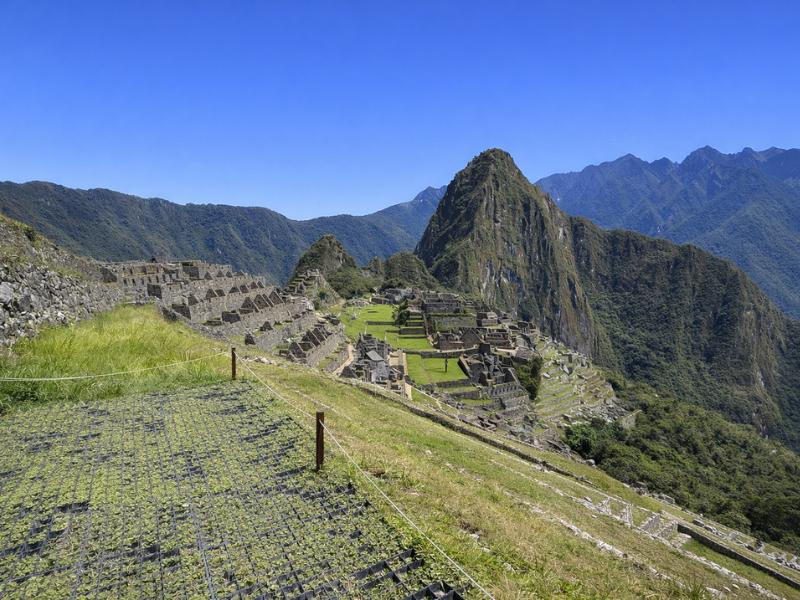
Wear hiking shoes with grip, not sandals or sneakers. Stay on the marked trail. Use the steel cables in the exposed sections. Do not cross safety ropes for photographs. Start with Group 1 (morning entry) for drier trail conditions, as afternoon moisture and clouds are common at Machu Picchu. Descend carefully, as the return route involves uneven stone steps that are harder on tired legs than the ascent. That is the entire safety protocol. None of it is complicated.
Footwear matters more on Huayna Picchu than on most day hikes because the surface is 500-year-old Inca stone, which is smooth and polished from decades of foot traffic in addition to whatever moisture is present. Rubber-soled hiking shoes give you grip. Running shoes with minimal tread give you less. Sandals are genuinely dangerous here and technically not permitted. Metal-tipped trekking poles are also forbidden inside the Machu Picchu complex because they damage the stonework, though rubber-tipped poles are allowed and can help on the descent.
Backpack weight has a practical effect. The rules allow bags up to 5 kilograms inside the sanctuary. Keep it light. Heavy packs shift your center of gravity on steep terrain and can throw off your balance when you need both hands on a cable. Bring water, a rain layer, sunscreen, and snacks. Leave the big camera bag at the hotel.
Morning entry is almost always better for conditions. Huayna Picchu sits in a jungle microclimate, and afternoon fog is common. Group 2 hikers often find the summit wrapped in cloud, sometimes dramatically beautiful, sometimes obscuring the Machu Picchu views they came up for. Group 1 also benefits from slightly less congestion on the summit platform, though this varies by season. The tradeoff is that Group 1 requires an early bus from Aguas Calientes, often starting at 5:30 AM or 6:00 AM. It is worth it.
Tell someone where you are going and what time you are expected back, particularly if you are hiking solo. The checkpoint registration system covers this in theory, but an additional human who knows your plan is never a bad idea at an unfamiliar high-altitude site.
What We See From Our Travelers: Huayna Picchu Outcomes
Based on our guides’ experience with clients who have done Huayna Picchu as part of Machu Picchu Guided Tours packages, the vast majority complete the hike without incident. A small percentage turn back voluntarily, almost always because of unexpected height anxiety rather than physical fatigue. The most common regret we hear is not attempting it when conditions were ideal; the second most common is going up in the rain.
| Completed full hike, no issues | 75-90% | Good conditions, proper footwear, acclimatized |
| Completed, minor difficulty (altitude, fatigue) | 8-15% | Underestimated steepness; inadequate acclimatization |
| Turned back voluntarily below summit | 3-10% | Height anxiety (most common), physical fatigue |
| Chose not to hike after seeing conditions on day | 5-12% | Rain, fog, or knee issues from prior trekking |
| Switched to Huchuy Picchu instead | 10-20% | Preferred shorter option or guide recommendation after assessment |
Still deciding whether Huayna Picchu is right for your group? A private ticket, guide, and bus package covers the required citadel entry if you are still weighing the hike. Compare a Circuit 3 guided tour if the hike is still on the table, or a Circuit 2 tour with entrance ticket if you would rather stay on the citadel.
Is It Worth the Risk? And What Are the Alternatives?
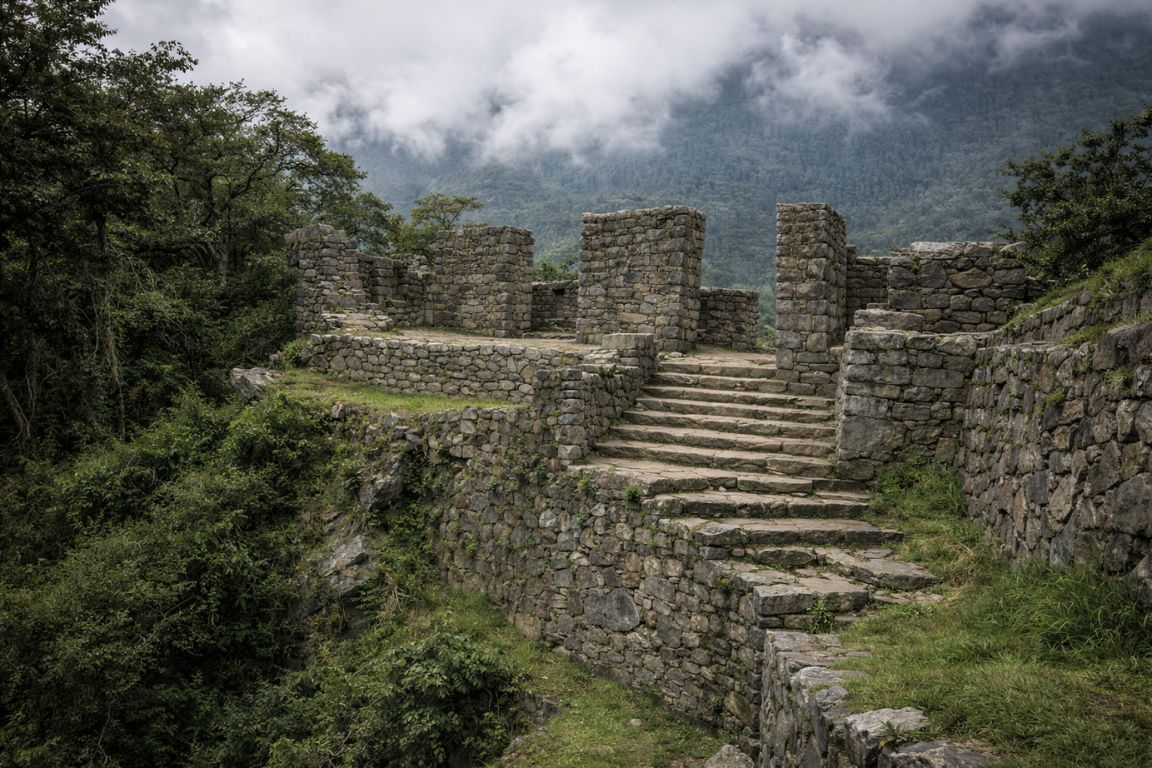
For travelers who are comfortable with steep terrain and heights, yes, Huayna Picchu is worth it. The view of Machu Picchu from above, the Inca ruins at the summit, and the physical experience of the hike itself make it a genuinely different encounter with the site than walking the citadel floor. The question of “risk” largely dissolves if you hike it properly and in good conditions. If you have real concerns about heights, Huchuy Picchu is not a consolation prize. It is a legitimate summit with real views and almost none of the exposure.
The honest thing to say about the summit is that the view lands differently than anything you see from inside Machu Picchu. From the citadel floor you are inside it, surrounded by stone walls and terraces at eye level. From Huayna Picchu you see the whole thing at once: the geometry of the platforms, the way the site sits on its mountain saddle, the Urubamba River bending around the base of the mountain far below. It is the image from the postcards, except you are higher than the postcards and you can see everything that the postcard crops out.
The archaeological interest at the summit is real too. The terraces, the remains of Inca structures, the sense that people actually lived and worked at this height 600 years ago. It is a different kind of connection to the site than walking through the restored ceremonial spaces below.
The Alternatives Worth Knowing
If the trail does not sound right for you, three options deserve consideration rather than dismissal.
Huchuy Picchu (Route 3D, high season only): This small summit sits about 50 meters above the Machu Picchu citadel, which puts it at roughly 2,497 meters. The elevation gain from the checkpoint is just 70 meters, the trail is 0.6 km to the top, and most people complete the round trip in an hour to 90 minutes. The views look down on the ruins and toward Huayna Picchu, which in the background of your photographs gives you a genuinely striking composition. There are some short sections with cables, but nothing that compares in exposure to Huayna Picchu. The route shares a starting checkpoint with Huayna Picchu, which means on a day when Huayna Picchu is fogged in or conditions are bad, Huchuy Picchu often remains clear at the lower elevation. Available June 19 through November 2 (high season). Tickets sell out significantly less aggressively than Huayna Picchu, typically bookable 1 to 2 months ahead.
Machu Picchu Mountain (Route 1A): Higher summit (3,082 meters), longer hike (1,600 stone steps, 2 to 2.5 hours up), wider trail with less exposure. No Inca ruins at the top, but a genuinely higher and broader panoramic view than Huayna Picchu provides. Better choice for people who want the challenge of a real climb without narrow ledges. Available year-round, 18 and older, 200 permits per day.
Sun Gate (book tour here) (Intipunku) from inside Machu Picchu via Route 1C: A moderate 90-minute round trip hike available on Circuit 1C tickets during high season. This is the same Sun Gate that Classic Inca Trail trekkers descend through at dawn on Day 4. From inside Machu Picchu you hike up to it and look back down at the citadel from a direction most visitors never see. It is not the same height as Huayna Picchu but it is a meaningful summit experience without any serious exposure, and it gives you the trekker’s perspective on the site. More on this route in our full Inca Trail vs. Train article.
Huayna Picchu vs. the Alternatives: Side-by-Side
| Summit altitude | 2,693 m | 2,497 m | 3,082 m |
| Elevation gain | 360 m | 70 m | 600 m |
| Round-trip time | 2 to 3 hrs | 1 to 1.5 hrs | 3 to 4 hrs |
| Exposed sections near drops | Yes, several | Brief, minimal | Minimal |
| Daily permit limit | 350 | Limited (varies) | 200 |
| Booking lead time | 3 to 4 months | 1 to 2 months | 2 to 3 months |
| Availability | Year-round (except June 2026, maintenance) | High season only (June 19 to Nov 2) | Year-round |
| Inca ruins at summit | Yes | No | No |
| Best for | Fit hikers comfortable with heights, adrenaline-seekers | Families, nervous hikers, time-limited visitors | Strong hikers who prefer broader views, less exposure |
All prices verified February 20, 2026. Availability windows subject to Ministry of Culture updates.
Frequently Asked Questions
Has anyone actually died on Huayna Picchu?
Yes, a small number of confirmed fatalities have occurred over several decades of documented visitation. The most verifiable include a fall in 1997 and a lightning strike in 2004. Several other reported incidents involve unclear circumstances or locations within the broader Machu Picchu complex rather than the Huayna Picchu trail specifically. The confirmed death toll on the trail itself, from available sources, is a handful over roughly 30 years. Against hundreds of thousands of successful hikes in that same period, the trail’s statistical risk is far lower than its reputation suggests. The most consistent pattern in serious incidents is barrier-crossing for photographs, not trail accidents during normal hiking.
Is Huayna Picchu safe in the rainy season?
The trail is technically open year-round except during scheduled closures, but licensed operators with direct experience at the site advise strongly against hiking it during heavy rain. The stone steps become significantly slippery when wet, and the exposed sections near drops are considerably more dangerous in those conditions. If you visit between November and April and your day brings sustained rainfall, the prudent choice is to do Machu Picchu Mountain instead, which has wider trails and much less exposure. The rainy season also brings fog that can obscure the citadel views from the summit, removing much of the point of the climb on those days.
Do you need hiking experience to do Huayna Picchu?
No formal hiking experience is required, and you need no technical climbing skills. What you need is a decent level of physical fitness, no serious fear of exposed heights, and good shoes with grip. The trail is steep and physically demanding for its length, but it does not require ropes, harnesses, or mountaineering knowledge. Hundreds of first-time hikers complete it every day during peak season. If you regularly walk uphill for more than 30 minutes without significant difficulty, you have the physical baseline to attempt the trail in good conditions.
What happens if I have a ticket for Huayna Picchu but cannot do it?
Huayna Picchu tickets are non-refundable and non-transferable. If you arrive and decide on the day that you cannot or do not want to attempt the hike, your entry to Machu Picchu itself is still valid through Circuit 3, which covers the lower sector of the citadel including the Temple of the Sun and the Temple of the Condor. You will not get a refund or be able to apply the ticket to a different date or person. This is another reason why early booking with careful self-assessment is important. You can buy both Huayna Picchu and a second Circuit 2 ticket for the same day if you want the classic Guardian’s Hut view as a backup experience.
Is Huayna Picchu closed in 2026?
Huayna Picchu is closed for the entire month of June 2026 by order of the Ministry of Culture, for maintenance and conservation work on the trails and the Inca archaeological site. Outside of June, the mountain is open to ticketed visitors year-round under normal operation. If you hold tickets for dates in June, the Ministry of Culture will issue full refunds. For other closures (usually due to weather or landslides), check the official Ministry of Culture ticketing site at tuboleto.cultura.pe close to your visit date.
Can people with a fear of heights do Huayna Picchu?
It depends on the nature and severity of the fear. The relevant question is not whether you feel uneasy at heights in general, but whether you are comfortable moving on a narrow stone path with drops visible on one or both sides while holding a steel cable. Some people who describe themselves as afraid of heights find it manageable and exhilarating. Others freeze in the exposed sections and need assistance to descend. There is no way to know which category you fall into until you are there, which means a non-refundable ticket carries real risk if your fear response is unpredictable. Huchuy Picchu, at the same checkpoint with minimal exposure, is the sensible choice if you are genuinely uncertain.
Ready to book? Huayna Picchu permits for peak season routinely sell out months in advance, and tickets for June 2026 are unavailable due to the maintenance closure. If you want the summit on a specific date, securing tickets now is not overcautious. Lock the overnight and citadel day with a 2-day tour from Cusco with Sacred Valley and train, then add a Route 3A permit on your own timeline.
Written by Diego Alejandro Ramirez
Peruvian tour guide since 2009 · Founder, Machu Picchu Guided Tours
Diego has guided over 1,600 travelers through Machu Picchu and the Sacred Valley since founding the agency.
Decide On The Climb Before Buying Its Ticket
Check your date before arranging the rest. We may earn commission through this booking link.