One-Day vs Two-Day Machu Picchu Tours
One day is enough for Machu Picchu. Add a second only for a mountain hike, different circuit, or weather backup—here’s how to decide.
Two tour days can mean Sacred Valley plus one citadel visit. They do not automatically mean two days inside Machu Picchu.
| Entry tickets needed | 1 (152 to 200 soles, approx. $42–$55 USD per adult) | 2 separate tickets, same price range each |
| No-re-entry rule | Single entry per ticket. Exit = done. | Same rule. Second day requires a new ticket purchased separately. |
| Citadel circuit time | 2.5 to 4 hours depending on circuit | Same per day. Circuits are not longer with two tickets. |
| Mountain hike (Huayna Picchu or MP Mountain) | Yes, if booked in advance. One mountain per day, included in that day’s ticket. | Allows one mountain per day, so both mountains across two days are possible. |
| Overnight in Aguas Calientes required | Not required but often makes logistics easier | Yes. Budget $70–$200+ per night depending on hotel category. |
| Additional cost beyond tickets (second day) | N/A | 1 extra night Aguas Calientes + extra train ($85–$150 one-way) + second ticket. Total ~$200–$350 per person additional. |
| Booking lead time | 3 to 4 months for peak season (June–August). Huayna Picchu up to 6 months. | Same per day. Need to secure both tickets at time of booking. |
| Weather insurance value | No backup if fog persists | Second morning often clearer as fog burns off, but not guaranteed |
What Is the Actual Difference Between a One-Day and Two-Day Machu Picchu Visit?
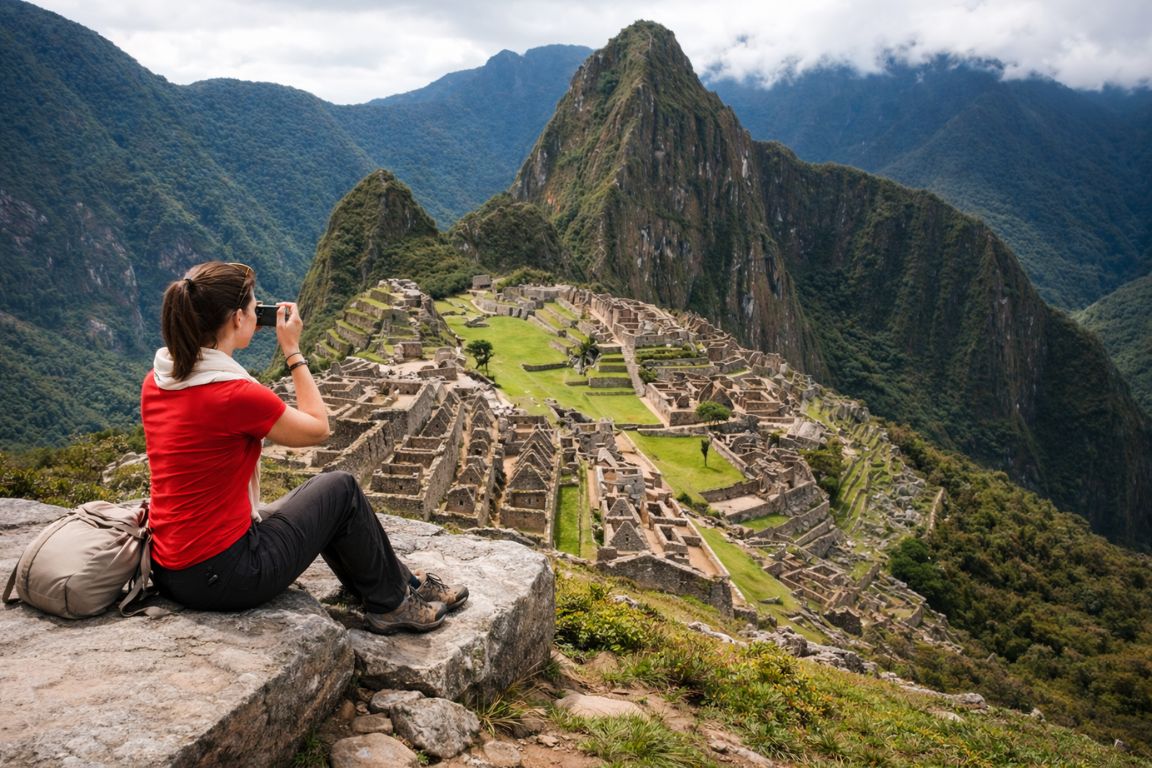
The core difference is not how much of the citadel you see. One full circuit covers the essential archaeological areas in 2.5 to 4 hours regardless of whether you have one day or two. The real difference is whether you want to add a mountain hike, experience the site at a second time of day, or have a weather backup. Two days without a specific plan for the second visit often produces the same experience twice.
Most travelers picture two days as twice the experience. In practice, the citadel follows directed circuits. You walk a one-way route with your guide, see the main temples, plazas, and terraces, and exit. You cannot wander freely between zones. You cannot backtrack. The route is roughly the same every time you visit on the same circuit type, which means returning for a second citadel walk on Circuit 2 after you did Circuit 2 the day before will look familiar almost immediately.
Where a second day genuinely adds something new is when the two days cover distinctly different territory. A first day on Circuit 2 (the main archaeological tour) paired with a second day on Huayna Picchu (book tour here) or Machu Picchu Mountain is a fundamentally different experience both days. The mountain hike takes you to a different elevation, a different perspective, terrain that feels nothing like the citadel below. That combination is worth two days. The same circuit visited twice, for different lighting, for pace, for pure enjoyment? That is a personal decision, but not a practical necessity.
Not sure about the time commitment? I break down how many days you need for Machu Picchu guided tours based on whether you’re rushing from Cusco or taking your time to acclimatize.
Who Should Do One Day and Who Genuinely Needs Two?
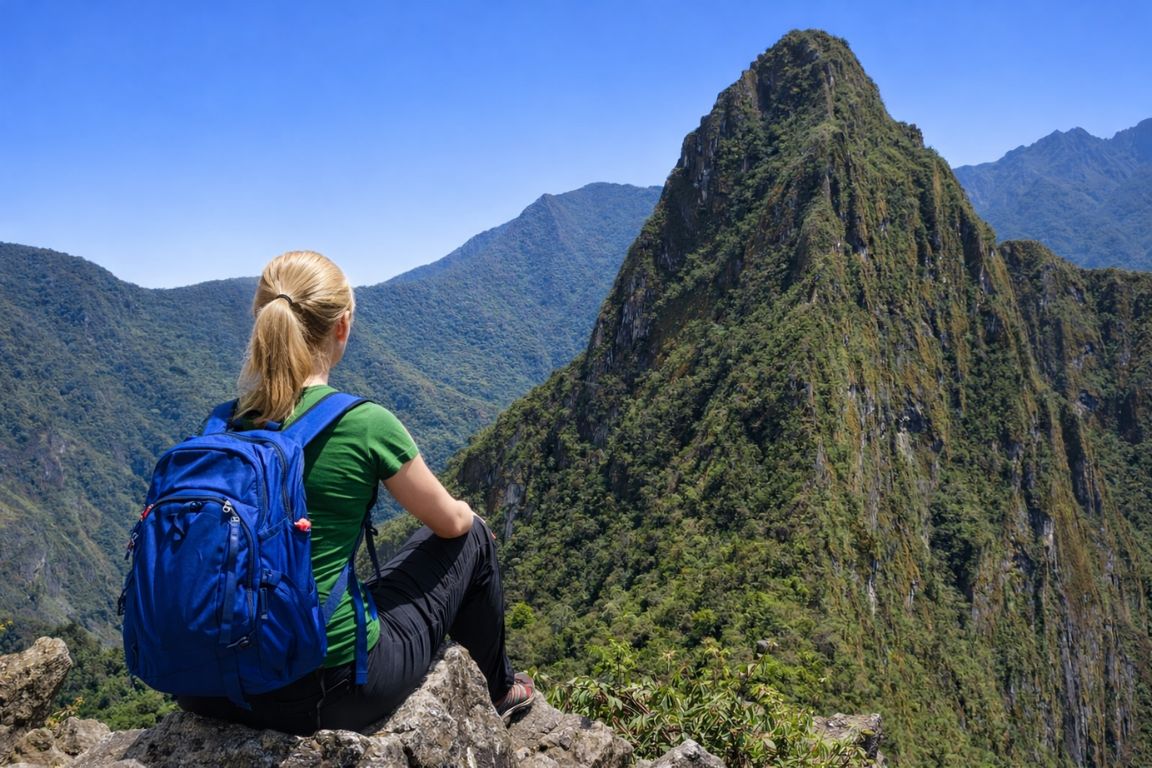
One day is the right choice for travelers doing a citadel-only visit with no mountain hikes planned. It is also right for anyone with limited time in Peru, a tight budget, or visiting during shoulder or low season when weather is more predictable. Two days makes clear sense if you want to add Huayna Picchu or Machu Picchu Mountain, if you are visiting in rainy season (November through March) when morning fog is common, or if you are the kind of traveler who processes slowly and genuinely values sitting with a place rather than moving through it.
Age, fitness, and mobility factor in differently than people expect. We have guided travelers in their 70s who had extraordinary one-day experiences because they booked a 7 AM entry, moved at their own pace, and were not rushing a train back. We have guided fit 30-year-olds who needed two days because they tried to pack a mountain hike onto a citadel tour and wore themselves out by noon. The question is not really about physical capacity. It is about what you want the visit to include.
One useful framework: if you took away the mountain hike, would a second day at Machu Picchu meaningfully change your experience of this specific trip? For most people who have been to other significant archaeological sites, the honest answer is no. The site is extraordinary. One thorough visit leaves a complete impression. If this is a once-in-a-lifetime trip and you have the budget and schedule flexibility, a second morning at the citadel when the first tour groups haven’t arrived yet can feel genuinely different. But it is not essential the way the visit itself is essential.
Figuring out the right itinerary for your specific schedule, budget, and interests usually comes down to comparing a one-day tour from Cusco with a two-day Sacred Valley and Machu Picchu tour. Circuit 2 with the entrance ticket included is the usual one-day fit; choose a two-day itinerary only if you already know what the second day is for.
We’ve answered the question is hiking Huayna Picchu dangerous in Machu Picchu guided tours with details on what makes the trail challenging and who should think twice before booking.
What Does a One-Day Machu Picchu Itinerary Actually Look Like?
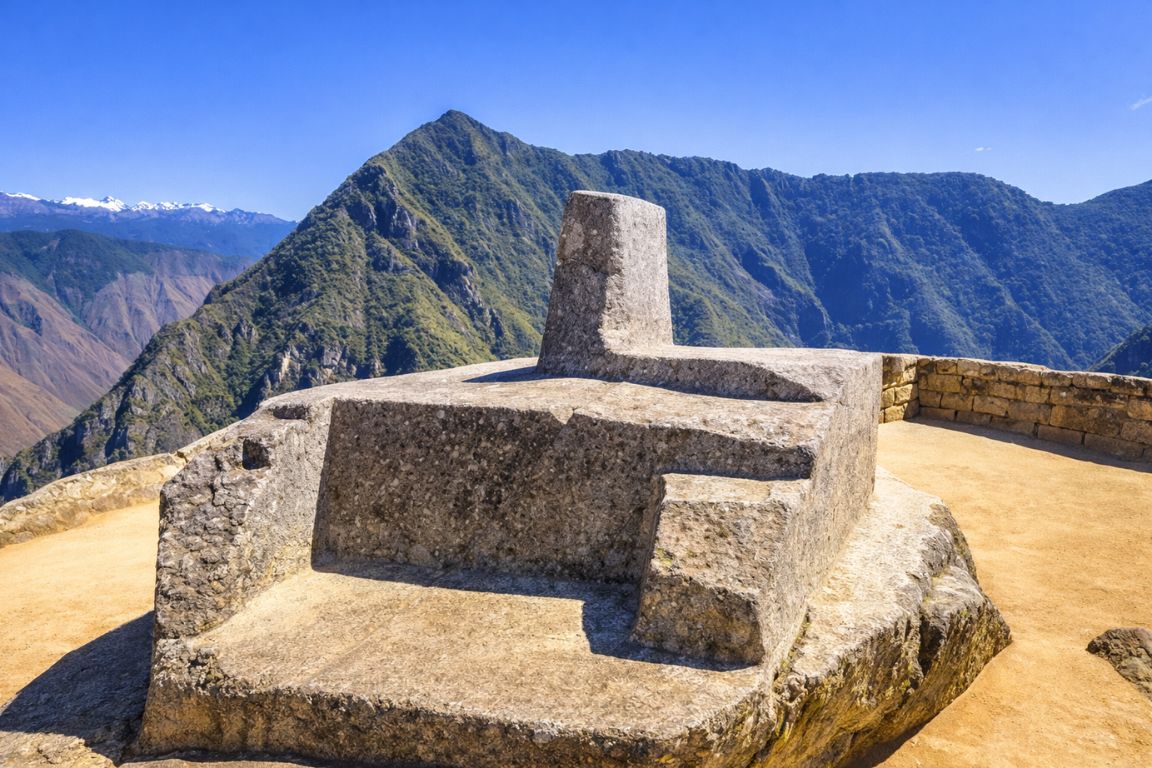
A well-structured one-day visit starts with a 6 or 7 AM entry, completes a 2.5 to 3.5 hour guided circuit of the main citadel, includes the Guardian’s House viewpoint for the classic photo, and exits by midday or early afternoon. Travelers staying in Aguas Calientes can catch the afternoon train back to Ollantaytambo and be in Cusco for dinner. Travelers doing a day trip from Cusco need a 4 to 5 AM departure and face a longer total day, but it is doable.
The typical one-day structure looks like this. You board the first bus from Aguas Calientes at 5:30 AM. Buses run every few minutes at peak times. You reach the entrance gate, pass through with your passport, and meet your guide. Circuit 2A, the most complete archaeological tour, takes you through the upper terraces to the Guardian’s House viewpoint, then down through the Sacred Plaza, the Temple of the Three Windows, the Intihuatana stone, the residential quarters, and out through the lower terraces. The guide portion runs about two hours. After that, most travelers walk the remaining sections at their own pace, photograph the llamas near the agricultural terraces, sit and look at things for a while.
By 10 or 11 AM, the large group tours from Cusco are arriving and the site becomes noticeably more crowded. By midday, peak density is reached. One of the real advantages of staying overnight in Aguas Calientes versus doing a day trip from Cusco is that you are in the site during the quiet hours and gone before the midday rush. Day-trippers from Cusco arrive at Machu Picchu around 10 to 11 AM and leave around 3 to 4 PM, which is the busiest window of the day.
If you have booked a mountain hike on your single day, add 3 to 4 hours for Machu Picchu Mountain or 2 to 3 hours for Huayna Picchu (the hike itself) on top of the citadel circuit. Your total on-site time will be 5 to 7 hours. That is a full day and it is satisfying, but you are moving the whole time. The combination of citadel plus mountain in one day is absolutely done by thousands of travelers. It just requires booking the right ticket type in advance.
What Does a Second Day Add That the First Day Cannot?
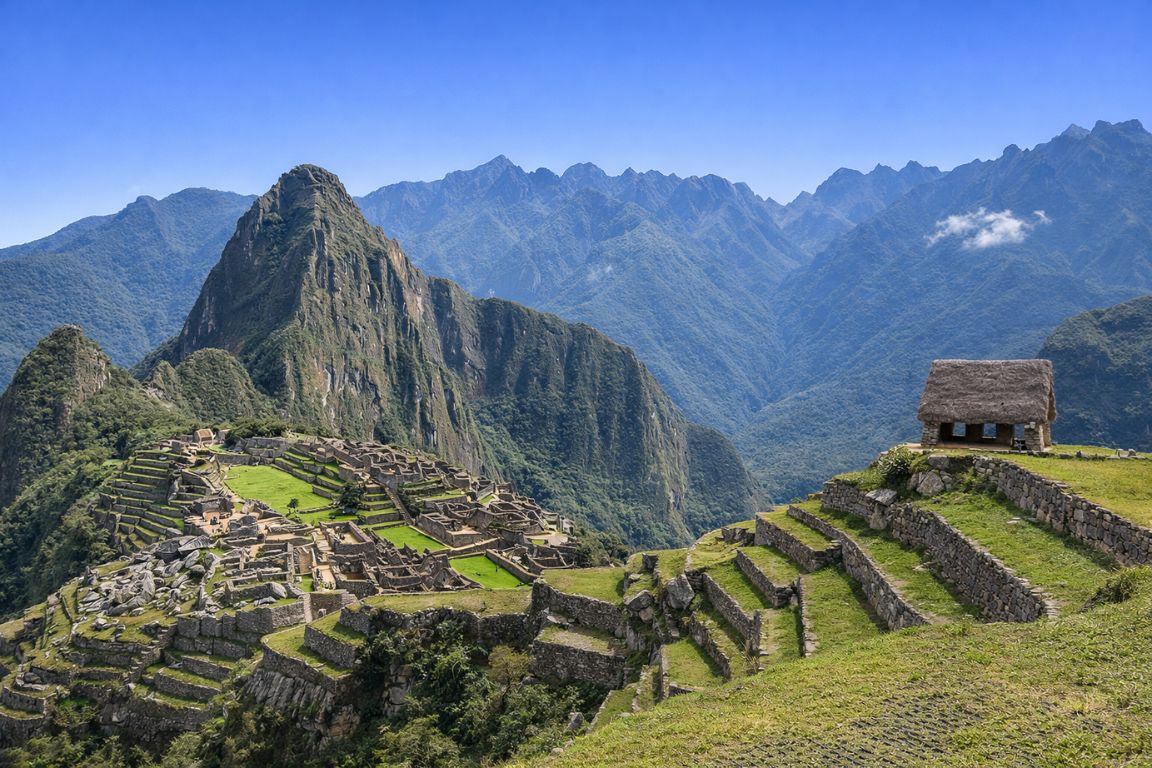
A second day adds two things that actually matter: access to a second mountain (if you did one mountain on day one), and a different circuit that covers areas your first ticket did not include. It also offers weather insurance for rainy-season visitors. What it does not add, beyond a certain point, is more of the citadel. The main archaeological areas are covered thoroughly on a single circuit. Returning to walk them again produces diminishing returns for most travelers.
The most valuable second-day combinations we see work like this. Day one on Circuit 2 (full citadel tour) paired with day two on Circuit 3 with Huayna Picchu. This gives you the complete ground-level archaeological experience on day one and a physically demanding, perspective-changing hike on day two, plus access to the lower citadel areas that Circuit 3 covers. These two days do not overlap much.
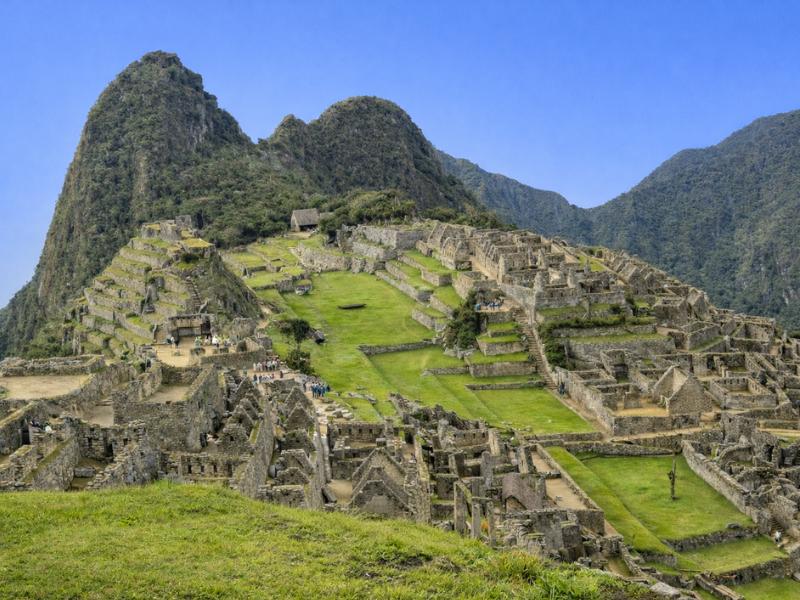
Alternatively: day one on Circuit 2 paired with day two on Circuit 1A (Machu Picchu Mountain). The mountain ticket here opens a 3 to 4 hour round-trip climb to 3,082 meters, well above Cusco altitude, with a different visual relationship to the ruins than anything you see from inside the citadel. From Machu Picchu Mountain you are looking down at the entire complex from above and to the south. From Huayna Picchu you are looking from inside the complex, the peak rising from within the ruins themselves. Both are genuinely different from the ground-level tour.
What does not produce a meaningfully different second day: doing Circuit 2B on day two when you did Circuit 2A on day one. The routes are similar. Or returning for photography at the Guardian’s House viewpoint at a different time of day. These are valid personal choices, but they are not producing a different Machu Picchu experience. They are producing more of the same Machu Picchu experience. For some travelers, that is exactly what they want. We are just honest about what it actually is.
Not sure which ticket to buy? Check out our guide with Machu Picchu ticket types explained – Circuit 1, 2, and 3 all give you completely different routes through the ruins.
How Does the Two-Ticket System Work and What Does It Cost?
Each Machu Picchu ticket is valid for a single entry on a single date. There is no two-day pass or multi-day discount. For two days you purchase two completely separate tickets at full price. Standard adult tickets run 152 soles (approximately $42 USD) each for citadel-only circuits. Mountain hike tickets (Huayna Picchu or Machu Picchu Mountain) cost 200 soles (approximately $55 USD) each. All tickets are purchased through tuboleto.cultura.pe, the official Ministry of Culture platform.
The cost math for a second day surprises most travelers when they work through it fully. Two standard tickets at 152 soles each comes to 304 soles in entrance fees, around $84 USD. But that is only the ticket cost. Add one additional night in Aguas Calientes at $80 to $200 depending on hotel category, one additional round-trip train segment at $85 to $150, and the daily bus at $12 round trip, and a second day runs $200 to $350 in total additional cost per person. For two people, a second day adds $400 to $700 to the trip budget. This is not a reason not to do two days. It is information worth having when you are deciding whether the second day is worth it for your specific plans.
One logistical point that catches people off guard: you cannot walk into Aguas Calientes and buy a same-day ticket for Machu Picchu. The in-person ticket office at the Ministry of Culture building in Aguas Calientes sells next-day tickets only, and only 1,000 are available daily at 3 PM onward. During peak season (June through August), those in-person tickets are gone within minutes. Both days of a two-day visit need to be booked in advance through the official online platform, ideally 3 to 4 months out for dry-season dates.
Daily capacity is 4,500 visitors in low season and 5,600 in high season, distributed across all circuits. Circuit 2 and the mountain hike tickets (Huayna Picchu in particular) sell out first. If you are planning a two-day visit and want Circuit 2 on day one and Huayna Picchu on day two, book both at the same time when you first open the ticketing platform. Waiting to book the second day after confirming the first puts you at real risk of finding the circuit you want for day two is already gone.
Securing back-to-back tickets on specific circuits requires timing the official platform correctly. If you would rather not use the government platform yourself, a guided tour with ticket booking includes the entrance ticket, with the circuit subject to availability. A guided tour with ticket booking is an alternative to working through the Spanish-language government platform under a tight availability window.
Worried about the price tag? Check out our guide on how to visit Machu Picchu guided tours on a budget – there are ways to cut costs without skipping the important parts.
What Do Travelers Who Did Both Options Say They Wish They Had Known?
One-day visitors most commonly wish they had moved more slowly and less ambitiously, not that they had booked an extra day. Two-day visitors who booked the second day without a specific plan most often describe the second visit as repetitive. Two-day visitors who specifically used day two for a mountain hike overwhelmingly say it was one of the best decisions of the trip. The pattern is clear: it is not the number of days that determines satisfaction, it is what those days are planned to include.
Among one-day visitors who felt rushed, the cause was almost always a logistics problem, not an itinerary problem. They arrived late in the morning and hit peak crowds. They did a day trip from Cusco and spent the first two hours on trains before ever setting foot on the site. They tried to fit a mountain hike on an 8 AM entry without accounting for hike duration. These are fixable problems. An earlier entry time, an overnight in Aguas Calientes, and a realistic estimate of how long things actually take solves the “rushed one-day visit” problem without adding a second day.
The second-day regret pattern is consistent across the travelers we have worked with and the broader traveler community. People who booked two citadel days out of vague uncertainty about whether one would be enough often arrived on day two and found themselves standing at the Guardian’s House viewpoint thinking: I was here yesterday. The citadel is exceptional, but it does not reveal new layers of meaning upon a second viewing of the same terrace from the same angle the following morning.
The clearest example of second-day value: a traveler doing Circuit 2 on day one, then Huayna Picchu on day two. They arrive for the 7 AM mountain entry, climb for 90 minutes to the summit at 2,693 meters, look down at the citadel they walked through the day before, and understand the geometry of the place from above for the first time. The site makes sense in a way it didn’t from inside it. That is a genuinely different experience. It justifies the second day completely.
What We See From 1,600+ Travelers: One Day vs Two Day Patterns
| Traveler Pattern | Approx. % of Our Clients | Satisfaction Rate | Most Common Feedback |
|---|---|---|---|
| One day, Circuit 2, no mountain hike | ~38% | Very high | “I could have stayed longer but I didn’t need to.” |
| One day, Circuit 2 or 3, with mountain hike | ~27% | Highest | “The hike was the best part of the whole Peru trip.” |
| Two days, different circuits each day | ~18% | High | “Worth it, especially having Huayna Picchu as day two.” |
| Two days, same circuit type both days | ~11% | Mixed | “Second day felt similar to the first after an hour.” |
| Day trip from Cusco (no overnight AC) | ~6% | Lower | “Arrived when it was already crowded. Would overnight next time.” |
Based on post-trip feedback from clients guided since 2009. Percentages are approximate and reflect recurring patterns across 1,600+ travelers. Satisfaction categories reflect feedback themes, not formal survey scores.
What Are the Hidden Costs and Logistics People Miss When Planning Two Days?
The costs people underestimate for a two-day visit are accommodation in Aguas Calientes (a notoriously expensive small town with limited lodging options), the need to book both tickets simultaneously months in advance, and the train change logistics if your original booking was for a single day. The planning overhead for two days is higher than most guides suggest, and the window to add a second day after your first ticket is purchased narrows quickly once peak-season availability opens.
Aguas Calientes is expensive relative to what it offers. It is a small, physically constrained town with one street running along each side of a river, surrounded by mountains on all sides. There are no roads in or out, which means everything, including hotel supplies, arrives by train. Budget hotels run $50 to $90 per night. Mid-range options run $120 to $200. The Belmond Sanctuary Lodge, the only hotel physically at the Machu Picchu entrance, runs upward of $800 per night and grants early site access before the public buses arrive. For most travelers doing a two-day visit, the extra night in Aguas Calientes is the largest single cost.
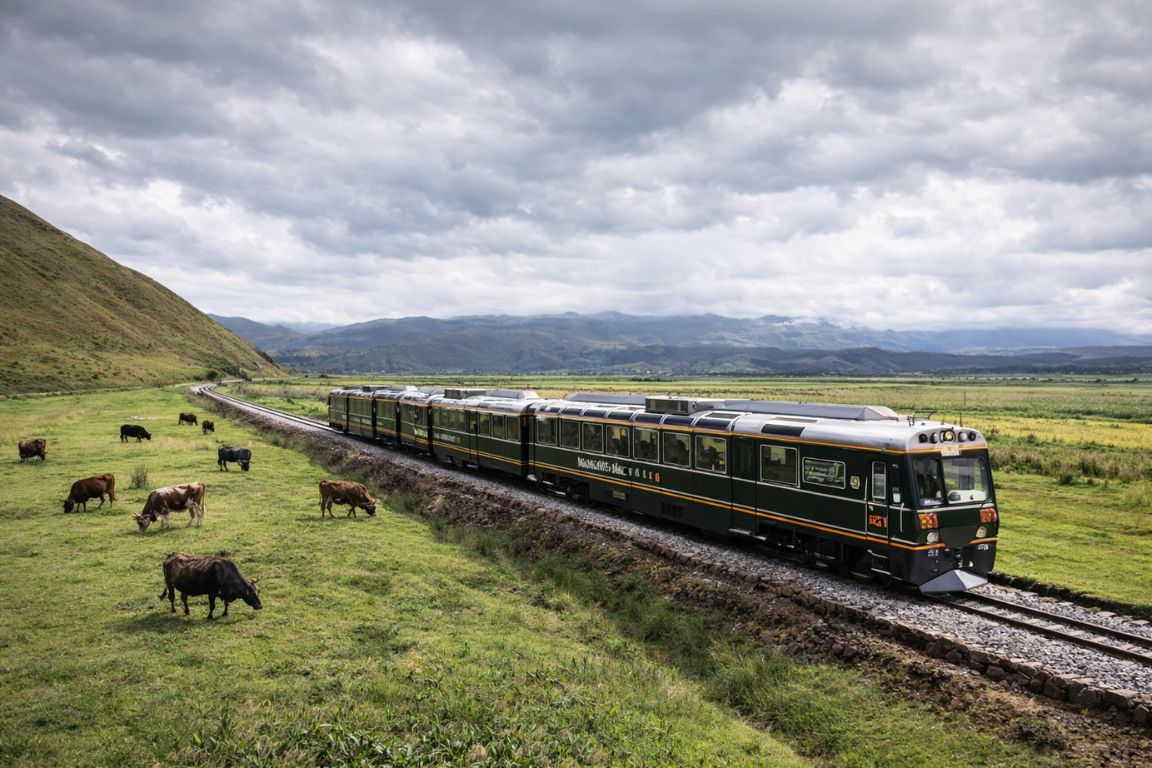
Train logistics are another friction point. Trains between Ollantaytambo and Aguas Calientes run on fixed schedules with limited seats. PeruRail (book tour here) and Inca Rail (book tour here) both fill up months in advance during peak season. If you originally booked a round-trip train for a one-day visit and decide later you want to add a second day, you will need to change your return train ticket. That involves change fees, availability uncertainty, and the possibility that no seats exist on the day you want. The right approach is to decide on one day versus two before you book anything, then book all components simultaneously.
We’ve got PeruRail vs IncaRail compared in Machu Picchu guided tours in detail because choosing between them affects your departure times, comfort level, and total cost.
Which Option Makes Sense for Your Specific Trip?
Choose one day if you are visiting for the citadel experience, you are visiting outside rainy season, your schedule or budget is constrained, or you have booked a morning entry with an overnight in Aguas Calientes. Choose two days if you want to add a mountain hike on a separate day from your citadel tour, if you are visiting January through March when fog is common in the mornings, or if you specifically value experiencing the site at different times and in different light conditions.
For most first-time visitors, the honest recommendation is this: one day done well beats two days done without a plan. A 6 or 7 AM entry with a competent guide on Circuit 2, followed by the Guardian’s House viewpoint and a slow walk through the agricultural terraces before the midday crowds arrive, will give you a complete experience of one of the genuinely extraordinary places on the planet. You will not leave Machu Picchu wondering what you missed.
If you have flexibility in your schedule and the budget is not a limiting factor, two days with a mountain hike built into day two is an exceptional combination. The citadel from the inside and the citadel from 263 meters above it are two completely different things. Huayna Picchu in particular, for those without significant fear of heights, is the kind of experience that stays with people for a long time after the photographs have faded into a phone camera roll.
If you are genuinely unsure, book one day first with a Circuit 2 guided tour that includes the entrance ticket, then see whether a mountain or second circuit is still open for the next morning. Then check availability for the day after your visit. If Circuit 3 with Huayna Picchu has open slots, book it. If availability is thin, you have still secured a thorough visit and you are not losing sleep over a second day that may not have added much anyway. Flexibility at the time of booking is better than regret in the other direction.
Frequently Asked Questions
Is one day at Machu Picchu enough?
Yes, for most travelers one day is enough to have a complete experience at Machu Picchu. A well-timed 6 or 7 AM entry on Circuit 2 covers the main temples, plazas, and viewpoints in 2.5 to 4 hours before midday crowds arrive. One day is not enough if you want to do a mountain hike (Huayna Picchu or Machu Picchu Mountain) in addition to the full citadel circuit and still move at a comfortable pace.
Do you need separate tickets for each day at Machu Picchu?
Yes. There is no two-day pass or multi-visit ticket. Each visit requires a separate ticket purchased through the official Ministry of Culture platform at tuboleto.cultura.pe. Tickets are valid for one entry on one specific date and time slot. They cannot be transferred to another person or used on a different date without going through the official change request process at least 24 hours before your visit.
What does a second day at Machu Picchu actually add?
A second day adds access to a different circuit or a mountain hike not included in your first day’s ticket. It also provides weather insurance during rainy season. A second day visiting the same circuit you did the first day produces a very similar experience, since the directed route covers the same archaeological areas in the same sequence. The second day is most valuable when it includes distinctly different terrain, specifically a mountain hike.
How much does a two-day Machu Picchu visit cost?
Budget approximately $200 to $350 in additional costs per person for a second day, beyond your first day’s expenses. This includes a second entrance ticket (152 to 200 soles, roughly $42–$55 USD), one additional night in Aguas Calientes ($70–$200+), and an additional train segment ($85–$150 one way). These are approximate figures based on 2026 pricing and vary by season and hotel category.
Is it worth staying in Aguas Calientes for two nights to visit Machu Picchu twice?
It is worth two nights in Aguas Calientes if your two-day plan includes genuinely different activities each day. If day one is a citadel circuit and day two is a mountain hike, two nights makes sense and the combination is excellent. If both days are citadel-only visits on similar circuits, the second night and second ticket are harder to justify for most travelers.
Can I do a day trip from Cusco to Machu Picchu?
Technically yes, though it makes for a long and rushed day. A day trip from Cusco requires departing around 4 to 5 AM, taking a bus to Ollantaytambo (approximately 90 minutes), boarding a train to Aguas Calientes (about 90 minutes), then a bus up to the site. You arrive at the citadel around 10 to 11 AM, which is when large tour groups from Cusco also begin arriving. Day trips tend to produce the most crowded visit experience and the least flexibility. Staying overnight in Aguas Calientes allows a first-bus entry at 5:30 AM and a much quieter morning at the site.
Written by Diego Alejandro Ramirez
Peruvian tour guide since 2009 · Founder, Machu Picchu Guided Tours
Diego has guided over 1,600 travelers through Machu Picchu and the Sacred Valley since founding the agency.
Separate An Overnight From A Second Entry
Check your date before arranging the rest. We may earn commission through this booking link.