How Many Days Do You Need for Machu Picchu?
Most travelers need 2 days at Machu Picchu. One day feels rushed—two lets you see it twice, hike a mountain, and truly take it in.
The Sacred Valley two-day tour has one Machu Picchu entry. Two independent citadel visits require a different ticket plan.
Most travelers need 2 days at Machu Picchu, full stop. One day is physically possible from Cusco but leaves almost no room for error and strips the experience down to a rushed circuit. Two days lets you see the site twice (morning and afternoon light are completely different), add a mountain hike, and actually absorb what you’re looking at. Three or more days makes sense if you’re trekking in, doing multiple add-ons, or building in altitude recovery time.
Quick Facts: Machu Picchu Visit Length
| Option | Days at Site | Best For | Key Limitation |
|---|---|---|---|
| Express Day Trip | 1 (3–4 hrs inside) | Tight itineraries, travelers already at Ollantaytambo | No mountain add-ons, no weather buffer |
| 1 Night / 2 Days | 2 (two separate entries) | Most independent travelers | Requires two separate tickets booked in advance |
| 2 Nights / 3 Days | 2 entries + Sacred Valley | First-time Peru visitors, hikers, altitude adjusters | Higher cost (Aguas Calientes hotels expensive) |
| Inca Trail 4 Days | 1 (arrive via Sun Gate) | Trekkers, bucket-list experience seekers | Sold out 6+ months ahead, February closure |
| 5–7 Days | Multiple entries possible | History lovers, photographers, multi-trek visitors | Expensive; ruin fatigue is real |
Site hours: 6:00 AM – 5:30 PM daily. Maximum 2.5 hours on standard circuits; up to 7–8 hours with mountain add-ons. Prices verified February 20, 2026.
How Many Days Does Most People Actually Need at Machu Picchu?
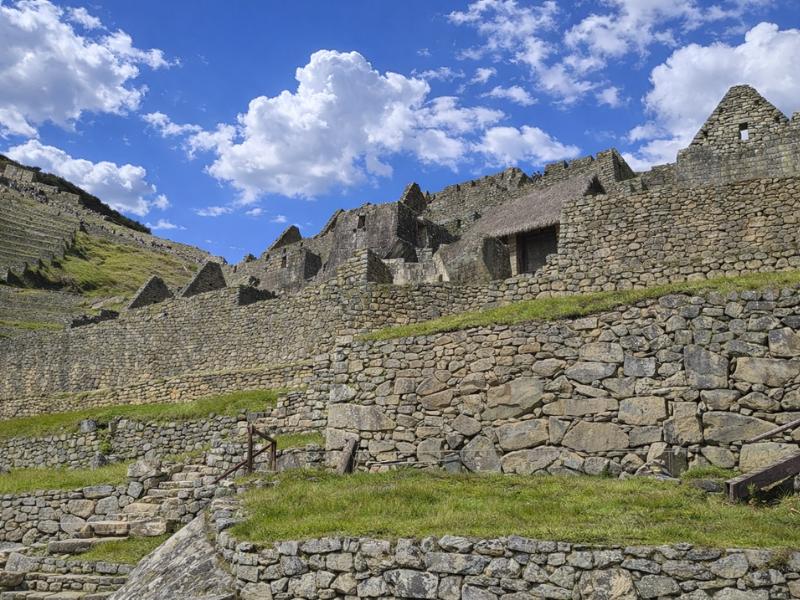
For the majority of travelers, two days gives you a complete visit. One day is doable but genuinely rushed. Three days adds significant value only if you’re combining it with the Sacred Valley, a mountain hike that needs its own recovery time, or you want altitude buffer. More than three days at the site itself is rarely necessary unless you’re a photographer chasing specific light or doing multiple treks.
The honest answer is that the question isn’t really about Machu Picchu itself. The site caps your time anyway. Standard circuits allow 2.5 hours. Mountain add-ons extend that to 6–8 hours. The site closes at 5:30 PM. What you’re actually deciding is how much of that limited window you want to use, and whether you want two bites at it or one.
The travelers who leave disappointed almost always had one day and bad luck: a 20-minute cloud block at the Guardian’s Hut viewpoint, a delayed train connection, an aggressive crowd at the 6 AM entry slot. The ones who leave satisfied usually had a morning entry on day one, saw what they came for, slept in Aguas Calientes, and came back at a different hour the next day. Different light, different parts of the site, totally different mood.
One other thing nobody warns you about: Machu Picchu is surprisingly emotional for most people. You need time to actually stand still and take it in. One day barely gives you that.
Want to get the planning right? This breakdown of how to visit Machu Picchu guided tours covers all the details most people only figure out after they’ve already made mistakes.
What Can You Do in One Day at Machu Picchu?
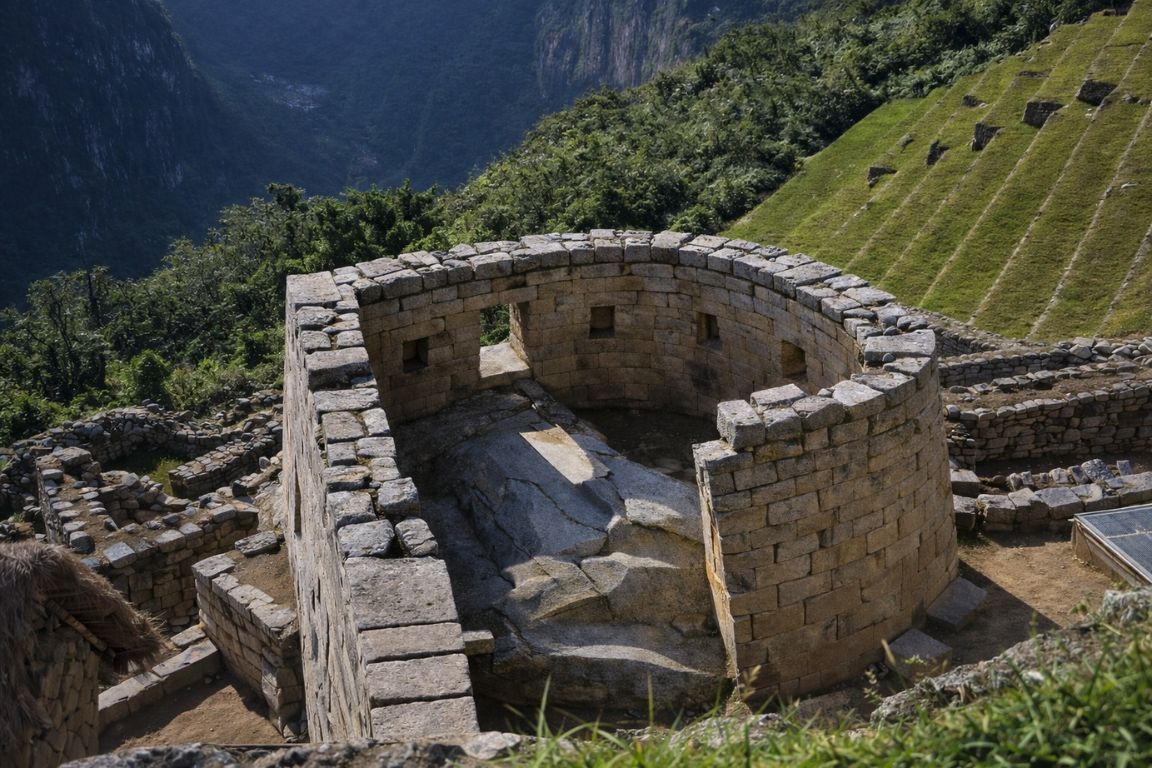
A one-day visit covers the main citadel circuit in roughly 2.5–3 hours with a guide, giving you the Guardian’s Hut viewpoint, the Temple of the Sun, the Sacred Plaza, and the Temple of the Condor. That is genuinely most of what people picture when they picture Machu Picchu. What you cannot do in one day: add Huayna Picchu, climb Machu Picchu Mountain, or visit at two different times of day.
Getting there from Cusco takes about 5 hours one way if everything goes smoothly. Drive to Ollantaytambo (1.5–2 hours), train to Aguas Calientes (1.5 hours from Ollantaytambo, or 3.5 hours from the Poroy station near Cusco), then bus up to the site (25–30 minutes). On a day trip, you’re waking up at 3–4 AM and getting back to Cusco by 10–11 PM. That’s a long day built on train timetables that don’t care if your bus was late.
It can work. We’ve guided plenty of day trips and some of them were brilliant. The conditions for a successful one-day visit: you’re sleeping in Ollantaytambo or the Sacred Valley the night before (not Cusco), your entry slot is early morning, the weather cooperates, and your train is on time. Remove any one of those variables and the day gets very stressful very fast.
Also worth saying plainly: a round-trip day from Cusco takes 14–15 hours including transport. Most of that time is in transit, not at the site. That trade-off is fine for some travelers. For most, it’s not.
What Does a Two-Day Visit Give You That One Day Doesn’t?
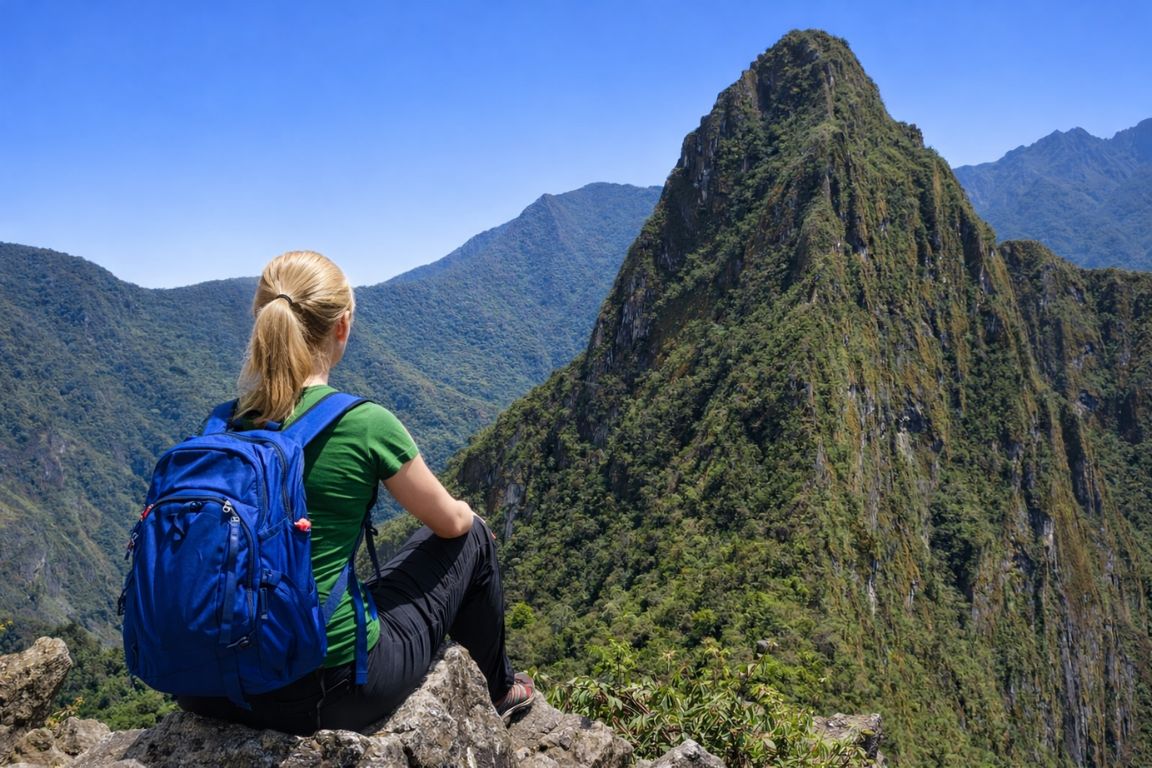
Two days means two separate ticket entries, two different entry times, and the ability to add a mountain hike without it consuming your only day. It also gives you a weather backup. If mist locks in the morning of day one, day two is still there. Most travelers who do two days report feeling like they actually experienced the site rather than survived it.
This is the setup we recommend for most independent travelers. Arrive in Aguas Calientes on day one, take the afternoon or late morning entry to Machu Picchu (the crowds thin out considerably after noon), walk Circuit 2 at your own pace, and come back to town for dinner. Day two, catch the first bus at 5:30 AM, enter at 6:00 AM before anyone else arrives, and the citadel is almost yours. The light is different. The energy is different. If you’ve added Huayna Picchu or Huchuy Picchu, those tickets slot into day two without cutting your citadel time short.
You do need to book two separate tickets on tuboleto.cultura.pe. The site doesn’t offer a multi-day pass. Each ticket is tied to a specific date and entry hour, and they’re non-refundable. Plan both entries when you book everything else, not as an afterthought.
Staying overnight in Aguas Calientes also changes the trip in a way that’s hard to explain on paper. The town is small and a bit chaotic, with train tracks running down the main street and market stalls pressed against everything. But at 5:30 AM when you’re walking to the bus stop in the dark and the mountains around you are completely invisible in the cloud, there’s something to it. You feel like you’re somewhere remote. You’re not just a day-tripper.
If the logistics of coordinating two days of tickets, trains, and hotels sounds like more planning than you want to do, the 2-day tour from Cusco with Sacred Valley and train books those pieces as one itinerary. We’ve been booking this exact trip for travelers since 2009.
If you’re torn between rushing it or taking your time, here’s our honest comparison of one-day vs two-day Machu Picchu guided tours based on what each approach feels like.
Who Should Consider Three Days or More?
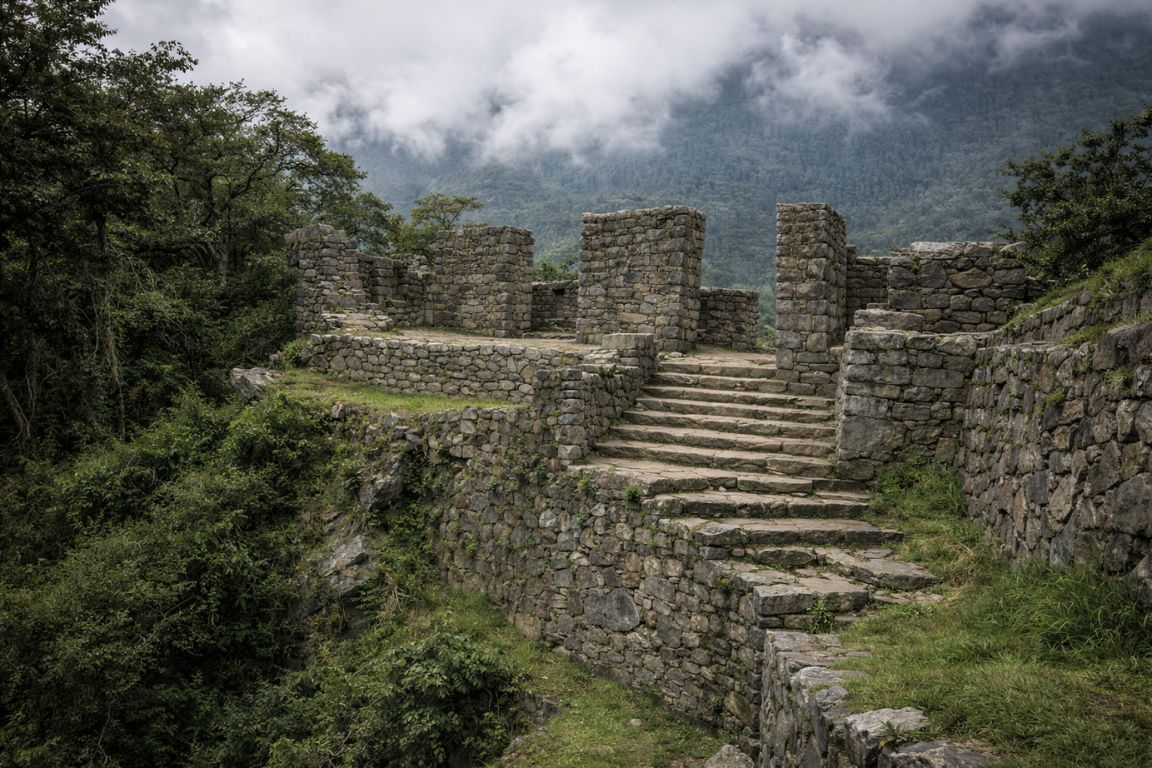
Three days makes sense if you want to combine Machu Picchu with Sacred Valley sites (Ollantaytambo, Pisac, Moray), if you’re doing a mountain hike that needs recovery time, if altitude is genuinely affecting you, or if you’re arriving via the Inca Trail. Beyond three days, you’re adding context and depth to the broader region, not more time at the citadel itself.
Altitude is the most underestimated variable in this whole calculation. Cusco sits at 3,400 meters. Aguas Calientes, the town directly below Machu Picchu, is at 2,040 meters, noticeably lower, which is why some travelers feel much better once they’re down there. But if you’ve just flown into Cusco and jumped straight to Machu Picchu, you may be more fatigued than you realize. Spending a day in the Sacred Valley before going to the site (or after, on the way back) helps most people feel human.
Worried about altitude sickness? I’ve got the altitude at Machu Picchu guided tours explained so you know exactly what elevation you’re dealing with and how to handle it.
The three-day structure that works well for first-time Peru visitors: day one in the Sacred Valley (Ollantaytambo, Pisac), night in Aguas Calientes, day two at Machu Picchu with a mountain add-on, day three morning entry for the citadel circuit, then train back. You don’t miss anything and you’re not crushed by altitude or travel fatigue.
For trekkers coming in via the Classic Inca Trail, you arrive on day four after three days of hiking at altitude. The trail ends at Intipunku (the Sun Gate book tour here) early in the morning. You walk down into the citadel from above, which is a completely different experience from arriving by bus. But by the time you’re inside, you’ve already burned through a lot of physical reserves. Many Inca Trail trekkers find they want more time at the site than the route allows, which is why the Short Inca Trail (two days) followed by a second entry day has become popular.
How Does Getting There and Back Affect Your Day Count?
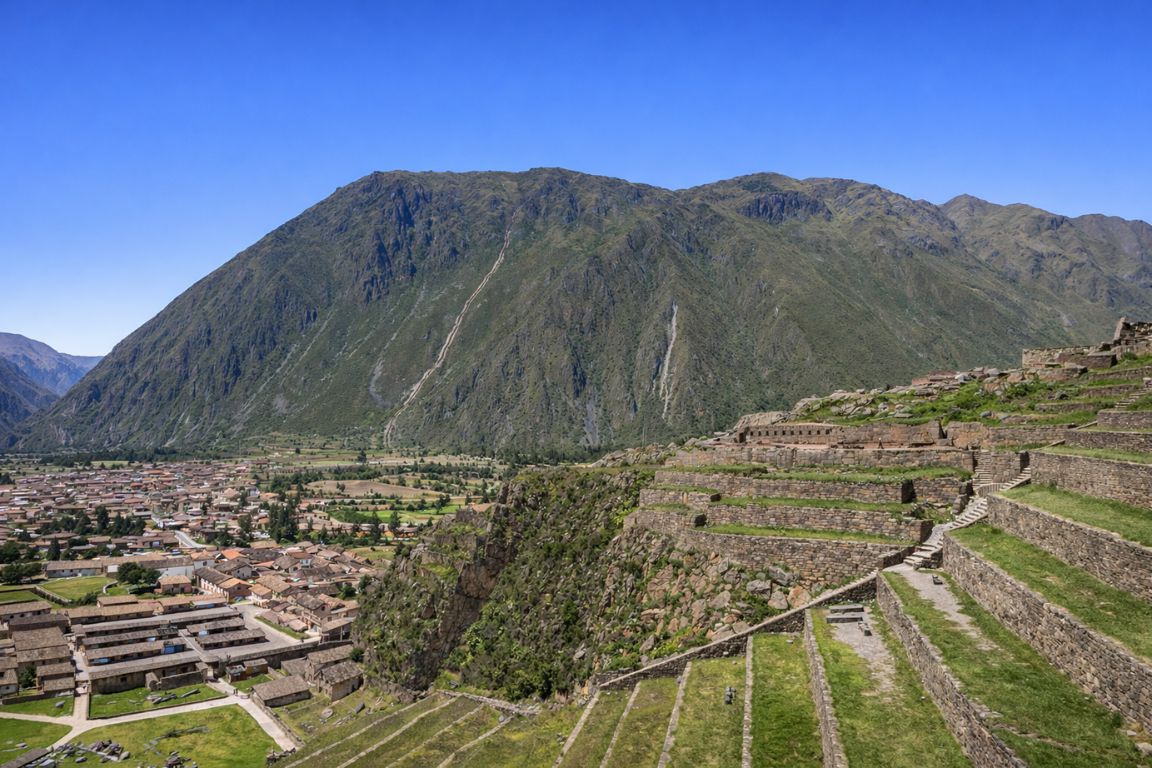
Travel to Machu Picchu from Cusco takes 5 hours each way and requires coordinating a car or taxi, a train (PeruRail or Inca Rail), and a shuttle bus. If you’re arriving on the same day as your entry ticket, you’re adding a 5-hour journey to a 2.5-hour site visit. That’s why most people build in at least one night in Aguas Calientes and why your total “Machu Picchu trip” should be counted as days in the region, not days inside the ruins.
The most common setup: sleep in Ollantaytambo the night before departure. Trains from Ollantaytambo to Aguas Calientes run about 1.5 hours, versus 3.5 hours from Poroy near Cusco. Sleeping in Ollantaytambo gets you to the ruins earlier, saves train time, and means you’re starting from a town that’s already well worth the night.
Train timing matters more than most blogs admit. Trains from Aguas Calientes back to Ollantaytambo or Cusco start selling out during peak season (June through early November). If you book your entry ticket first and then try to find a return train, you may discover that the only available train leaves before your entry slot ends, or doesn’t leave until three hours after you plan to exit. Book trains and tickets together, same session, same day.
One thing we tell all our clients: build a buffer day before any connecting flight out of Cusco. Train delays due to weather, landslides, and occasional strikes have disrupted schedules enough times that a same-day train-to-flight connection is a genuine gamble. If your Lima flight is the morning after your return from Aguas Calientes, that is fine. If your international connection is the evening of your return day, that is a risk.
Need help with the travel portion? Our guide on how to get to Machu Picchu from Cusco walks you through trains, buses, hiking options, and what each one actually costs.
All of this assumes days spent once you’re already in Cusco. If your itinerary also includes getting there overland from Lima – some travelers build in Paracas, Huacachina, Nazca, Arequipa and Puno along the way with Peru Hop (check prices here)’s bus network rather than flying – add those travel days separately; see Lima to Cusco overland for how much time that route actually takes.
Transit Times and Booking Windows at a Glance
| Segment | Duration | Book How Far Ahead | Notes |
|---|---|---|---|
| Cusco to Ollantaytambo (taxi/bus) | 1.5–2 hrs | Day before is fine | Depart early to catch morning trains |
| Train: Ollantaytambo to Aguas Calientes | ~1.5 hrs | 4–8 weeks ahead (peak season: 8–12 weeks) | PeruRail or Inca Rail; book same session as tickets |
| Train: Poroy (Cusco) to Aguas Calientes | ~3.5 hrs | Same as above | Poroy closed in rainy season; use Wanchaq or Ollantaytambo |
| Bus: Aguas Calientes to site entrance | 25–30 min | Buy in Aguas Calientes or online | First bus 5:30 AM; lines form at 4:30 AM for early slots |
| Machu Picchu Entry Ticket | 2.5 hrs standard; 6–8 hrs with mountains | 3–6 months ahead peak; 6–8 weeks low season | tuboleto.cultura.pe; Circuit 2 sells out first |
Times and booking windows verified February 20, 2026.
What Time of Year Changes How Many Days You Should Plan?
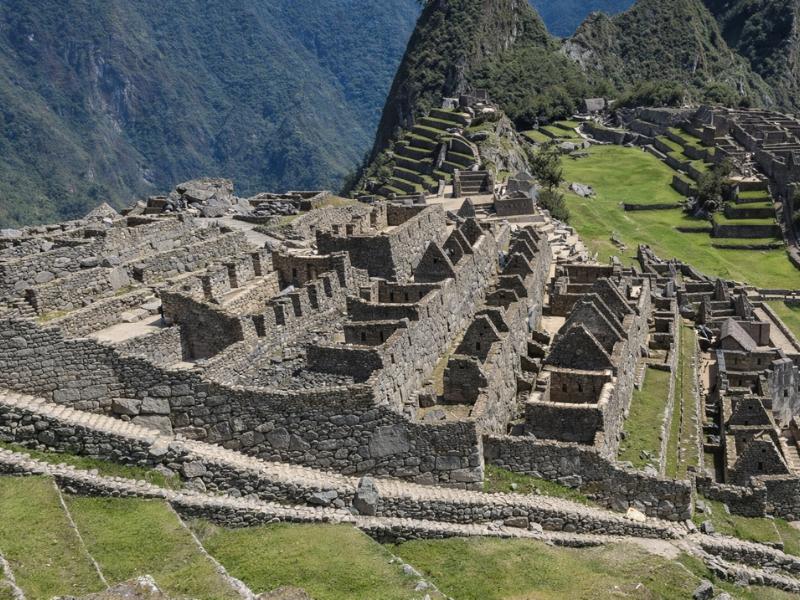
Season affects day count mainly through weather risk and crowd pressure. In dry season (May through October), cloud cover is unpredictable enough in the morning that a two-day visit genuinely doubles your odds of a clear view. In wet season (November through April), afternoon rain is nearly guaranteed, which argues for morning entries and, again, two days to catch the clearer light.
The peak season window (June 19 through November 2, plus a few holiday dates) is when daily capacity increases from 4,500 to 5,600 visitors. More tickets available, but more competition for them. Circuit 2 in the morning slot fills months ahead during this period. If you’re traveling in July or August and haven’t booked yet, add days to your plan as a contingency, because if you miss your ticket date there is no easy fix.
February is when the Inca Trail (book tour here) closes for maintenance. If the Classic Trail is part of why you’re making the trip, that month is off the table for trekkers. The ruins themselves stay open. Rainy season means waterfalls you won’t see other times of year, dramatically thinner crowds, and a citadel that looks different, genuinely lush and green. The trade-off is mud, mist that doesn’t lift all morning, and slippery stone circuits. Two days during wet season is even more important than in dry season, because on one of them it might simply rain too hard to enjoy.
Shoulder seasons (April, May, September, October) are where you can sometimes get away with one day if your timing is good. Fewer crowds, more predictable weather windows, and tickets are somewhat easier to find on short notice. Still not guaranteed. Still worth two days if you have any flexibility at all.
Not all months are equal at altitude. The best time to visit Machu Picchu guided tours changes dramatically based on rainy season, trail conditions, and tourist volume.
How Do You Build a Realistic Itinerary Around Your Day Count?
The key is working backward from your entry tickets, not forward from your flight arrival. Lock your Machu Picchu entry dates on tuboleto.cultura.pe first, then book trains to match, then book hotels in Aguas Calientes or Ollantaytambo around those. Building it the other direction, hotels and flights first, is how people end up with trains that don’t connect to their entry slots.
Below are three realistic day counts written as actual itineraries, not just summaries.
One Day (from Ollantaytambo): Sleep in Ollantaytambo the night before. Take the 6:10 AM train to Aguas Calientes (arrive 7:50 AM). Board the bus by 8:00 AM, reach the site entrance by 8:30 AM. Enter at your ticketed slot, complete Circuit 2 in about 2.5 hours with a guide, photograph the Guardian’s Hut view. Descend by bus, lunch in Aguas Calientes, take the afternoon train back. You’ll be in Ollantaytambo by early evening. Genuinely feasible. Not deeply relaxing.
Two Days (the standard recommendation): Day one afternoon arrival in Aguas Calientes. Check in, walk the town, have dinner. Day two morning entry at 6:00 AM. You’ll need to catch the first bus, which means leaving your hotel at 5:00 AM. Complete the full citadel circuit, add Huchuy Picchu if you booked it. Return to town by noon, lunch, relax or visit the hot springs. Day three (morning): second entry for a different circuit or just a different perspective. Take the afternoon train back. Three calendar days, two entries at the site, one night in Aguas Calientes.
Three Days with Sacred Valley: Day one in the Sacred Valley: Ollantaytambo ruins, Pisac market if it’s the right day of the week, overnight in Ollantaytambo or Urubamba. Day two train to Aguas Calientes, afternoon entry to Machu Picchu, overnight in Aguas Calientes. Day three 6:00 AM entry, complete your key circuits including any mountain add-on. Afternoon train back through Ollantaytambo to Cusco. This structure is worth it for first-time Peru visitors because the Sacred Valley sites provide context that makes Machu Picchu hit differently.
Building this itinerary yourself takes time. The 2-day tour from Cusco with Sacred Valley and train is the pre-built version of the two-day plan above.
What Our Travelers Actually Choose: Visit Length Breakdown
Based on our 2024–2025 client groups (1,600+ travelers guided since founding), here’s how travelers actually distribute their time at Machu Picchu and what they said after:
| Visit Structure | % of Our Clients | Satisfaction (Post-Trip) | Most Common Feedback |
|---|---|---|---|
| 1 day express (from Ollantaytambo) | ~18% | 72% satisfied | “Felt rushed; wish I had stayed over” |
| 1 night / 2 entries | ~54% | 94% satisfied | “Perfect amount of time; second morning was the best part” |
| 2 nights / 2–3 entries | ~19% | 97% satisfied | “Glad we had extra time; mountain hike was worth the extra day” |
| Inca Trail (4 days) + 1 extra day | ~9% | 96% satisfied | “Arriving from the Sun Gate is unforgettable; extra day for citadel was essential” |
Data from Machu Picchu Guided Tours client feedback surveys, 2024–2025 season.
Frequently Asked Questions
Can you visit Machu Picchu in one day from Cusco?
Yes, but it requires a very early departure (around 3–4 AM from Cusco), and the entire day is built around train timetables with almost no room for delays. Most travelers who do it describe it as exhausting. Staying the night in Ollantaytambo or Aguas Calientes and making it a two-day trip is almost always worth the extra cost.
Is two days enough for Machu Picchu including a mountain hike?
Two days is the right structure for combining the main citadel with one mountain add-on. Book your mountain hike (Huayna Picchu, Machu Picchu Mountain, or Huchuy Picchu) for day one, complete the main citadel circuit on day two. You won’t feel rushed on either day.
Do you need two separate tickets for two days at Machu Picchu?
Yes. There are no multi-day passes. Each visit requires its own ticket, booked separately on tuboleto.cultura.pe with its own date and entry time slot. You can purchase both on the same session when you’re booking.
Is it worth staying in Aguas Calientes for two nights?
For most travelers, one night in Aguas Calientes is enough. Two nights makes sense if you’re doing an intensive hiking day (Huayna Picchu plus citadel in one push is tiring) or if you want a rest day to use the thermal baths and recover before heading back. Hotels in Aguas Calientes are expensive for what they are, so the cost adds up quickly.
What time of year should I plan for more days at Machu Picchu?
The wet season (November through April) has the least predictable morning weather, so building in a second day gives you a real backup. The high season (June through early November) has better weather odds but much more competition for tickets, so extra days as a buffer matter in a different way.
Can you enter Machu Picchu twice in one day?
No. Once you exit the site, you cannot re-enter on the same ticket. A second entry requires a second ticket with a separate time slot. This is one of the main reasons staying overnight and visiting on two separate mornings produces a better experience than trying to cram it into one long day.
Ready to Plan Your Visit?
Written by Diego Alejandro Ramirez
Peruvian tour guide since 2009 · Founder, Machu Picchu Guided Tours
Diego has guided over 1,600 travelers through Machu Picchu and the Sacred Valley since founding the agency.
Count Tour Days And Citadel Entries Separately
Check your date before arranging the rest. We may earn commission through this booking link.