Machu Picchu for Seniors: What to Know Before You Go
Machu Picchu is absolutely doable for seniors—no hiking required. Take the train and 25-minute bus, manage altitude smartly, pick the right circuit, and plan ahead.
Train transport reduces the approach hike, but the citadel still has uneven stairs. A private guide does not establish wheelchair access.
Quick Facts: Machu Picchu for Seniors
| Machu Picchu elevation | 2,430 m / 7,970 ft above sea level |
| Cusco elevation | 3,399 m / 11,150 ft – significantly higher than the ruins |
| Adult ticket price | ~$55 USD (Circuit 2); Circuit 1B ~$42 USD Prices verified February 2026 |
| Best circuits for seniors | Circuit 1B (panoramic, low exertion) or Circuit 2A (classic, moderate) |
| Visit duration allowed | Up to 4 hours; no re-entry once you exit |
| Guide requirement | Licensed guide mandatory for all visitors (2025 regulation) |
| Walking sticks | Rubber-tipped poles permitted for elderly and mobility-impaired visitors |
| How to get there | Train to Aguas Calientes + 25-min bus to entrance – no hiking required |
| Toilet access | Only at the entrance (before you go in). No facilities inside the site. Plan accordingly. |
| Book how far in advance | 3-4 months for peak season (June-August); 6-8 weeks for shoulder season |
| Official ticket site | tuboleto.cultura.pe – the only authorized government platform |
Is Machu Picchu Accessible for Older Travelers?
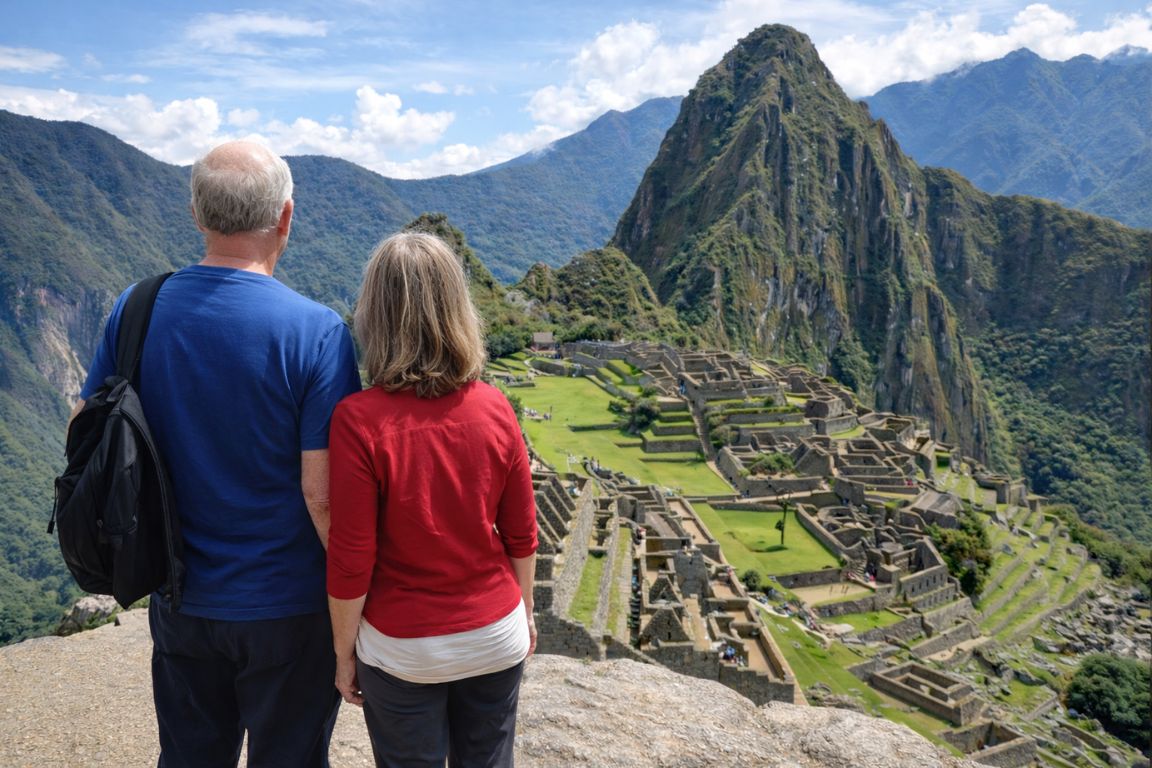
Yes, and more completely than most people expect. No hiking is required to reach the site. The standard route involves a scenic train to Aguas Calientes and a 25-minute bus ride to the entrance. Inside the citadel, designated circuits follow well-defined paths with rubber-tipped walking poles permitted for seniors. The real planning variable is altitude – and with the right itinerary, it’s very manageable.
There’s a persistent myth that Machu Picchu demands physical heroics. It doesn’t. The Inca Trail (book tour here) exists. It’s grueling and beautiful and four days long. But the vast majority of visitors – including most local Peruvians – reach the ruins without a single trail blister. Train. Bus. Gate.
What Machu Picchu does ask of older travelers is honest planning. The terrain inside is uneven in places. There are stone steps, some with no rail, some steep. But the circuits designed for lower exertion are just that – lower exertion. Groups of travelers in their 60s, 70s, and beyond complete them every day. We’ve guided travelers well past 70 who found the experience completely manageable, and a handful who surprised themselves by how much easier it was than they feared.
The thing worth knowing: Machu Picchu’s elevation of 2,430 meters is actually the lowest point on most Peru itineraries. Cusco, where most visitors arrive by plane, sits nearly 1,000 meters higher. If you’ve felt fine at Machu Picchu, it’s often because you acclimatized in Cusco first.
Which Circuit Is Best for Seniors Visiting Machu Picchu?
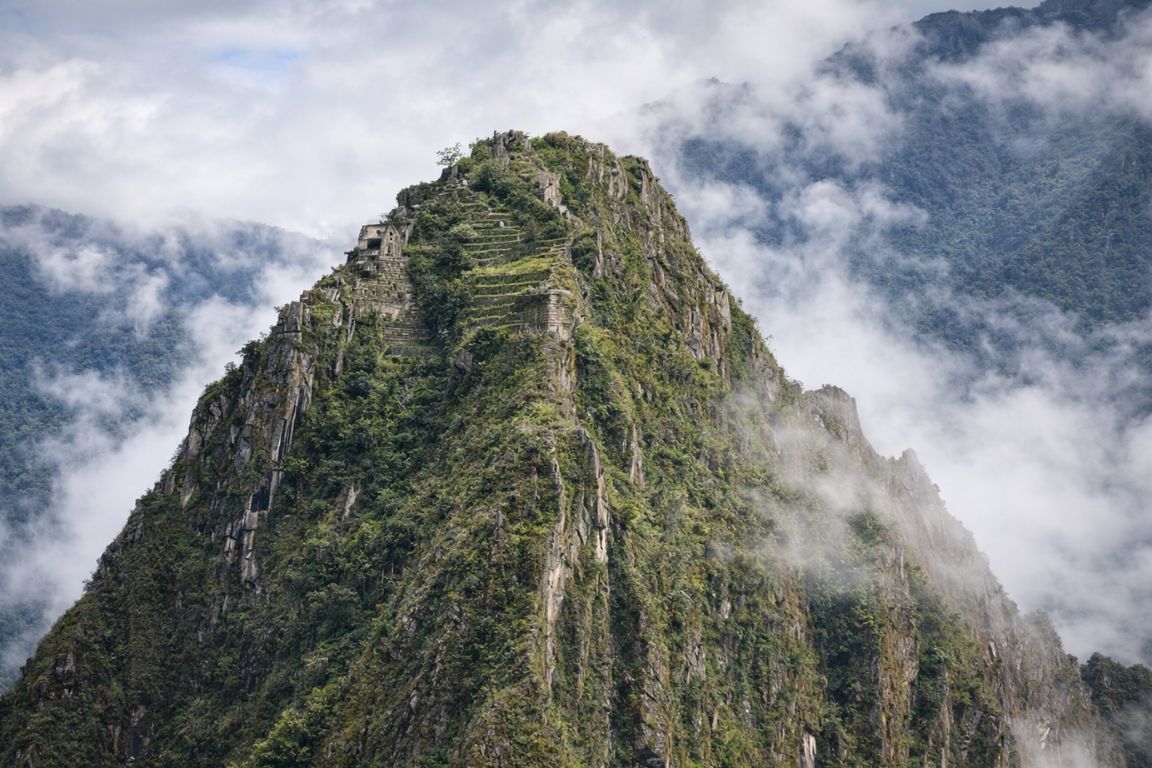
For most seniors, Circuit 1B (panoramic, roughly 1-2 hours) or Circuit 2A (classic ruins exploration, roughly 2.5 hours) are the right calls. Circuit 1B delivers the famous postcard view of the citadel with minimal exertion. Circuit 2A covers the main temples, the terraces, and the Guardian House – the most complete experience at a manageable pace. Avoid Huayna Picchu and Machu Picchu Mountain; those are aggressive hikes that add no value for most senior visits.
The current circuit system, redesigned in June 2024, divides Machu Picchu into three main circuits with 10 total route options. For senior travelers, the decision basically comes down to two things: how much walking you want, and whether you care more about the famous view or the temples.
Need to understand the circuits before you book? Our breakdown with Machu Picchu ticket types explained shows you exactly what each circuit covers and which one you actually want.
Circuit Comparison for Senior Travelers
| Circuit 1B | 1-2 hours | Low | Classic panoramic viewpoint; upper agricultural terraces | Limited mobility; primarily want the iconic photo |
| Circuit 2A | 2-2.5 hours | Moderate | Guardian House viewpoint + temples, plazas, residential zone | Active seniors who want the full citadel experience |
| Circuit 3B | 2-2.5 hours | Low-Moderate | Lower urban area; fewer stairs; misses panoramic viewpoint | Mobility issues; wheelchair-assisted visitors |
| Circuit 1A (Mountain) | 4-5 hours | Very High | Machu Picchu Mountain summit; 1,600+ stone steps | Not recommended for most senior visitors |
One thing most guides don’t mention: Circuit 3B is technically the most accessible, with fewer stairs and a flatter route through the lower urban zone. The trade-off is that you miss the panoramic viewpoint – that classic image of the citadel backed by Huayna Picchu mountain. For many seniors, Circuit 2A strikes the right balance. It covers roughly 80% of the main ruins at a pace that works with, not against, the altitude.
Important: remember that the no-re-entry rule is absolute. Once you exit the site, your ticket is done. Use the toilet facilities at the entrance before you go in. There are no facilities inside.
Trying to figure out which subroute to pick? Our Machu Picchu circuits breakdown shows you exactly what’s included in each one and where the routes overlap.
How Does Altitude Affect Seniors at Machu Picchu?
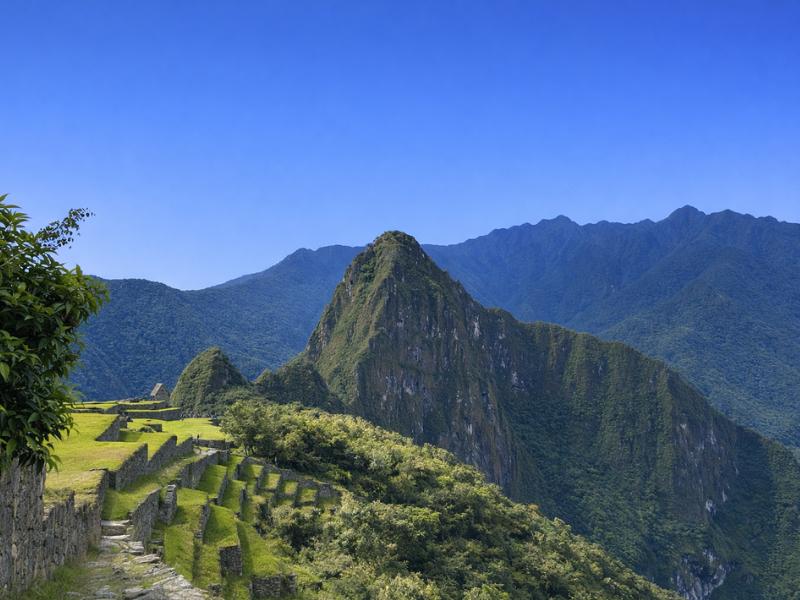
Altitude sickness doesn’t discriminate by age or fitness level – elite athletes get it, sedentary 70-year-olds sometimes don’t. What seniors do face is a slightly higher chance of undiagnosed cardiovascular or respiratory conditions being stressed by thinner air. The fix is the same for everyone: ascend gradually, spend 2-3 nights in the Sacred Valley (at around 9,000 ft) before heading to Cusco, and consult your doctor before travel. Machu Picchu itself, at 7,970 ft, is significantly lower than Cusco and often feels noticeably easier once you’re there.
Here is something the guidebooks usually get backwards: people assume Cusco is the acclimatization stop and Machu Picchu is the challenge. It’s the opposite. Cusco at 11,150 feet is where the body works hardest. Machu Picchu at 7,970 feet can actually feel like a relief after two or three days up high.
The acclimatization sequence that works best for seniors, based on what we see with our groups every season, looks like this. Fly into Lima first, which sits at near sea level. Spend a night there. Then travel to the Sacred Valley – Urubamba or Ollantaytambo – which sits at roughly 9,300 feet. Two nights there, resting, exploring gently, eating light. Only after that go to Cusco. By the time you arrive at Cusco, your body has already done significant work adapting. The final descent to Machu Picchu feels like a reward.
Coca tea is available at virtually every hotel from the Sacred Valley onward and is genuinely helpful for mild symptoms. Not a cure, not a substitute for real acclimatization, but a useful part of the toolkit. Ask your doctor before departure about acetazolamide (Diamox), which can be taken preventively. Many of our senior travelers use it without issue, but it’s a prescription medication and needs medical guidance.
One pattern we see repeatedly: the senior travelers who struggle are almost always the ones who flew directly into Cusco and headed to Machu Picchu the next day. The ones who thrive took an extra two or three days. It seems like an inconvenience until you’re standing at the Sun Temple watching mist roll off the mountain, feeling completely clear-headed, and you understand exactly why you built in the time.
We’ve got altitude at Machu Picchu guided tours explained in detail because understanding the elevation differences between Cusco, Aguas Calientes, and the ruins matters for acclimatization.
Worth knowing, though it’s not for everyone: some travelers reach Cusco overland from Lima on Peru Hop (check prices here)’s bus network instead of flying, with stops in Arequipa and Puno on the way that add a gradual elevation step-up before Cusco. The legs are long, some run overnight, and it’s a genuinely different pace than a flight, so it suits travelers who enjoy multi-day travel more than it suits anyone in a hurry. See Lima to Cusco overland for the honest details.
What Should Seniors Pack and Wear for Machu Picchu?
Dress in layers, bring rubber-tipped trekking poles if you use them (they’re explicitly permitted for elderly and mobility-impaired visitors), wear closed-toe shoes with real grip, and pack your passport – it must match the name on your ticket exactly. High heels, large backpacks, and drones are prohibited. Pack light; lockers are available in Aguas Calientes.
The weather at Machu Picchu is its own system. Morning can be cold and misty. By 10 AM it’s often bright and warm enough to peel off a layer. By early afternoon, clouds roll in and rain is common, especially outside dry season (May-October). Layers aren’t just a suggestion – the temperature swing from entrance to mid-morning can be 15 degrees.
Senior Packing Checklist for Machu Picchu
| Sturdy closed-toe shoes | Rubber soles essential; high heels strictly prohibited |
| Rubber-tipped trekking poles | Permitted for seniors and mobility-impaired visitors; bring your own or rent in Aguas Calientes |
| Light rain jacket | Even in dry season; afternoon rain is common |
| Sun protection | SPF 50+ and a hat – UV intensity at altitude is much higher than at sea level |
| Refillable water bottle | Single-use plastics prohibited; fill before entering |
| Snacks (small bag only) | No eating inside the site – consume before entering or save for after |
| Passport (original) | Mandatory for entry; name must match ticket exactly. No photocopies accepted. |
| Prescription medications | Bring extras in case of travel delays; keep in carry-on, not checked luggage |
| Small pulse oximeter | Optional but useful for monitoring oxygen saturation during acclimatization days |
The sunscreen point is worth emphasizing. UV radiation at 8,000 feet hits considerably harder than at sea level. We see visitors get seriously burned in a couple of hours because they didn’t reapply. Bring more than you think you need and use it.
Not sure what to pack for the ruins? I’ve put together a complete guide on what to wear to Machu Picchu guided tours so you’re comfortable at altitude and ready for weather changes.
How Do You Get to Machu Picchu Without Hiking for Hours?
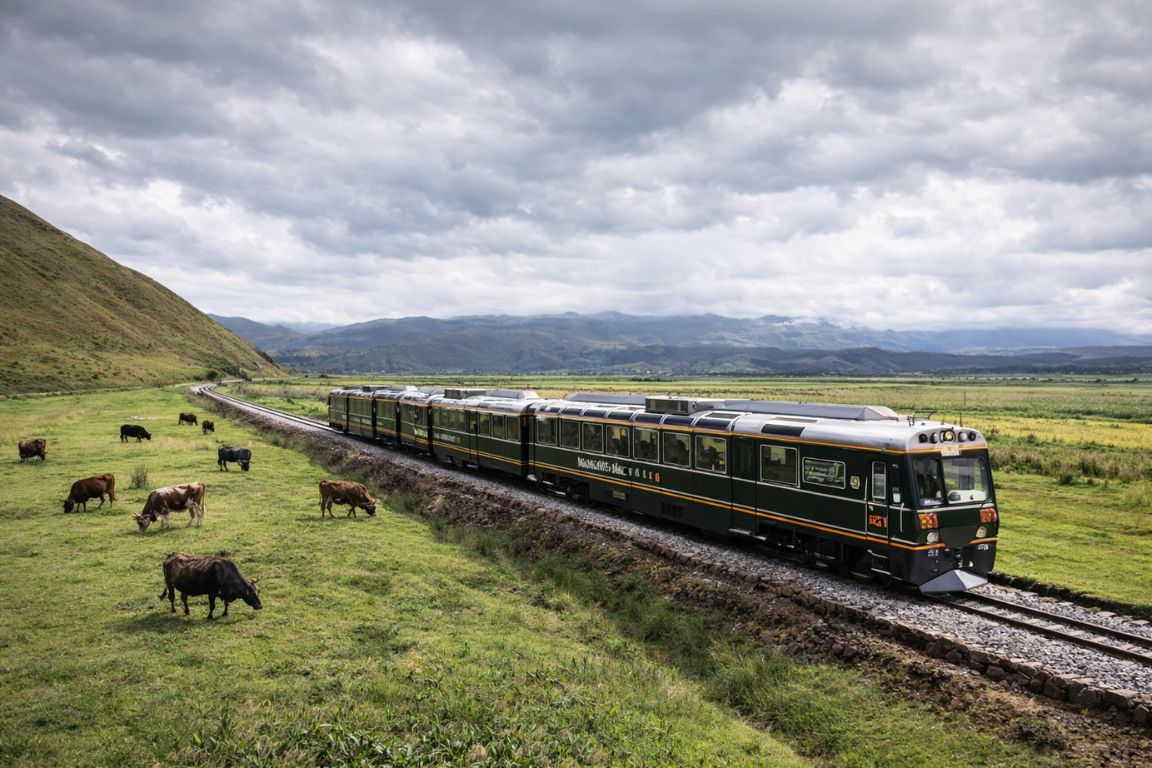
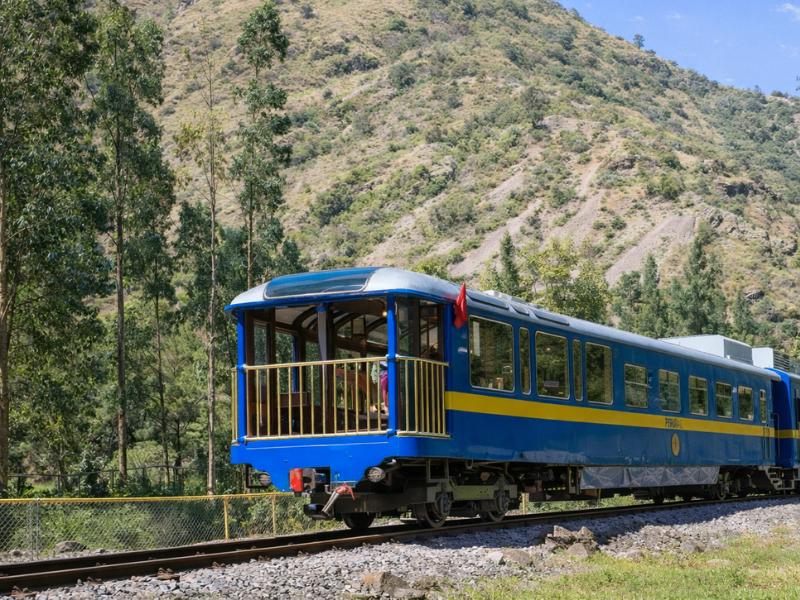
The standard non-hiking route: take a train from Ollantaytambo (or Cusco) to Aguas Calientes, then a 25-minute bus up the switchback road to the entrance. Total travel time from Ollantaytambo is about 90 minutes by train. No trail. No altitude gain. Peru Rail (book tour here) and Inca Rail (book tour here) both operate this route, with multiple departure times daily.
Most senior travelers don’t realize the hiking option is genuinely optional. It exists for those who want it. Four days on the Inca Trail is a profound experience, but it’s not Machu Picchu – it’s a route to Machu Picchu. The ruins at the end are the same ruins, seen from the same vantage points. The journey is different. The destination isn’t.
For the train-and-bus route, the journey usually starts in Ollantaytambo, which is itself in the Sacred Valley and a worthwhile stop for acclimatization. The train winds through cloud forest, dropping in elevation as it follows the Urubamba River. Aguas Calientes (officially Machu Picchu Pueblo) sits at only 6,600 feet – lower than Machu Picchu itself – and is pleasant enough for an overnight stay before an early morning entry.
Staying overnight in Aguas Calientes is the best-kept senior travel secret at Machu Picchu. You catch the first bus up at 5:30 AM, arrive just as the gates open, and walk into the site while the morning mist is still doing its thing over the ruins. The travelers who rushed in on a day trip from Cusco arrive later, into a much more crowded site, already tired from the early start. An overnight changes the experience completely.
Book hotels in Aguas Calientes near the train tracks. The town has no cars, but the streets away from the tracks climb steeply. For anyone with knee concerns or mobility issues, proximity to the station matters more than the view from the room.
If you’re trying to figure out the train situation, here’s our Machu Picchu train guide with everything from budget to luxury options and what’s actually worth the upgrade.
What Medical Precautions Should Seniors Take Before the Trip?
See your doctor before booking, not after. The key questions: whether your cardiovascular and respiratory health can handle 11,000+ feet in Cusco; whether acetazolamide (Diamox) is appropriate for you; whether any current medications interact with altitude or heat. Obtain solid travel insurance that covers medical evacuation. Pack a 2-week supply of all prescription medications as a buffer.
Age alone doesn’t determine altitude risk. An 80-year-old in good cardiac health may fare better than a fit 45-year-old with an undiagnosed condition. What does matter: heart disease, serious respiratory conditions like COPD, and anything that affects blood oxygenation. These warrant honest conversation with a physician, not a Google search.
The altitude sickness medication conversation is more nuanced than most travel blogs suggest. Acetazolamide works by accelerating acclimatization – it genuinely helps many people. But it’s a diuretic, can cause tingling in the hands and feet, and interacts with certain blood pressure medications. That’s a prescription discussion, not a “grab it at the pharmacy” situation. Some of our senior travelers start it 2 days before Cusco arrival with excellent results. Others prefer the gradual ascent route alone.
Travel insurance: non-negotiable for this trip. Medical evacuation from the Cusco region is expensive. A hospitalization happened to a member of a group we guided – not altitude, just a stomach illness – and the difference between having solid coverage and not was the difference between a manageable situation and a financial crisis. Get it before you go, and read the fine print on altitude-related exclusions.
We’ve been securing tickets and planning senior-friendly Peru itineraries since 2009. The 2-day Sacred Valley and train itinerary builds in that acclimatization time before you reach the site.
How Far in Advance Should Seniors Book Machu Picchu Tickets?
Book 3-4 months ahead for June through August travel. Shoulder season (April-May, September-October) requires 6-8 weeks minimum. The official and only authorized platform is tuboleto.cultura.pe. Avoid third-party reseller sites – fraudulent tickets are refused at the gate with no refund. A licensed Circuit 2 tour with the entrance ticket included can handle booking on your behalf, which is often easier given the site’s occasional technical issues with foreign credit cards.
The ticket system changed hands multiple times between 2021 and 2024. As of early 2025, all booking runs through the government’s own platform, tuboleto.cultura.pe. It works, but it has quirks. Foreign Visa and Mastercard holders sometimes hit payment errors. Having a backup card ready, or booking a guided visit that includes the entrance ticket, saves the stress.
Daily capacity sits at 5,600 visitors during peak season and 4,500 in low season. These slots fill fast. Peak season tickets for July have been selling out within 2-4 weeks of release. Tickets release on a rolling basis approximately 4 months in advance. For senior travelers who have more fixed scheduling requirements – flights booked months in advance, medical appointments, travel companions coordinating across time zones – booking as soon as tickets become available is genuinely important.
One thing worth knowing: the name on the ticket must exactly match the passport. No abbreviations, no middle names omitted if they appear on the document. This is enforced. Non-refundable means non-refundable.
If you’re about to book and want to avoid mistakes, here’s how to buy tickets in Machu Picchu guided tours step by step so you get exactly what you need.
What We See From Our Senior Travelers: A Look at the Patterns
After 1,600+ travelers through Machu Picchu since 2009, certain patterns show up clearly in our senior groups. This is what we’ve observed across our 2024-2025 season groups:
| Acclimatization approach | ~85% of senior travelers who followed a Sacred Valley-first itinerary reported no significant altitude issues at Machu Picchu |
| Circuit choice | Approximately 70% of senior clients choose Circuit 2A; 20% choose Circuit 1B; 10% Circuit 3B (mobility-limited) |
| Overnight vs. day trip | 100% of our senior group packages include an overnight in Aguas Calientes – we don’t offer day-only options for this demographic, and the feedback is consistently positive |
| Most common regret | Not building in enough acclimatization days (rushing the Sacred Valley stop) |
| Oldest traveler we’ve guided to Machu Picchu | 78 years old, on Circuit 2A; completed the circuit without issues after 2 nights in Urubamba |
The single biggest variable we cannot predict is altitude response. Two travelers with identical health profiles can react completely differently. The acclimatization schedule reduces the odds of a bad reaction. It doesn’t eliminate them. That’s why we always build in rest days and ensure our guides know exactly what to do if someone starts showing symptoms.
Fail Points: What Actually Trips Senior Travelers Up at Machu Picchu
These are the patterns that come up in TripAdvisor reviews, travel forums, and our own post-tour feedback. Not opinions. Patterns.
The toilet problem. There are no restrooms inside Machu Picchu. The only facilities are at the entrance, and once you’re inside you cannot exit and re-enter. With a 2-4 hour circuit, this matters. Older travelers with any frequent-bathroom needs should plan conservatively. Use the facilities at the entrance before entering, reduce liquid intake in the hour before your entry time (though not to the point of dehydration), and consider choosing a shorter circuit for this reason alone.
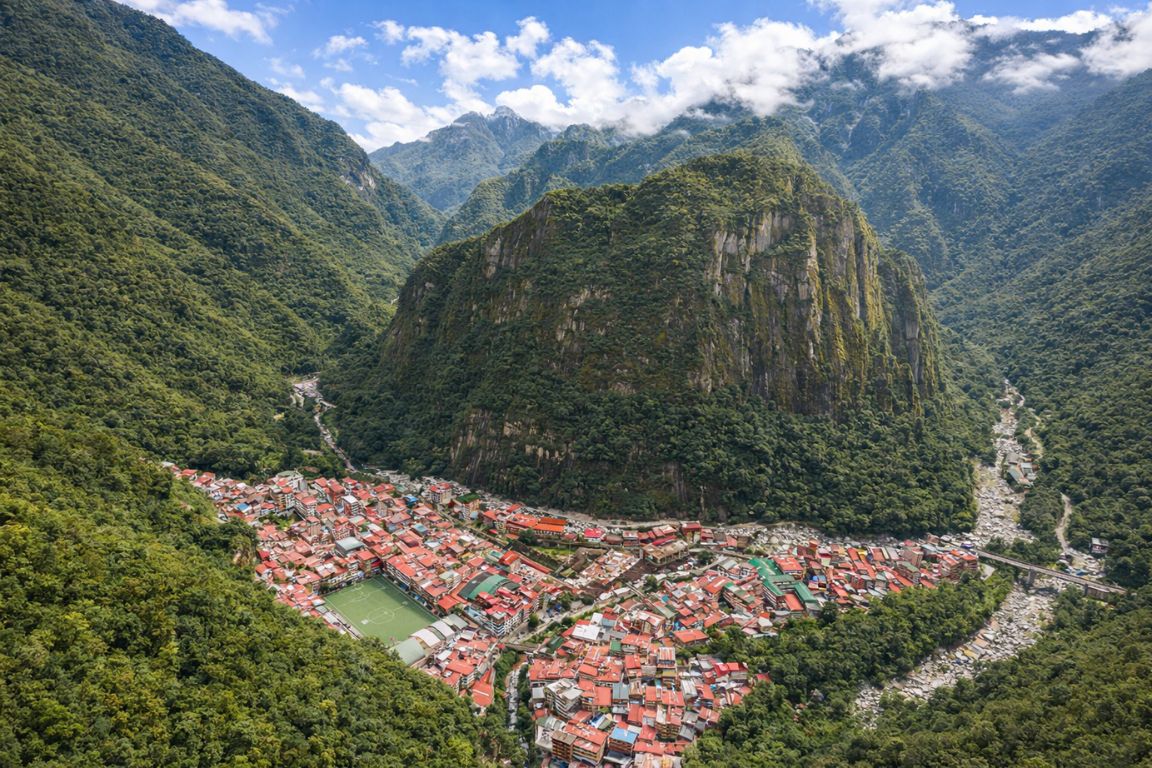
Underestimating the Aguas Calientes terrain. Aguas Calientes has no cars, which sounds relaxing. The catch: everything moves on foot, and the streets away from the train tracks climb steeply. After a full day at Machu Picchu, that uphill walk back to a hotel perched on a hillside can be brutal on tired knees. Book accommodation close to the train station.
Forgetting sunscreen is a repeat application situation. Not a one-time apply at the hotel deal. UV at altitude is significantly more intense. Apply at the hotel, apply again at the bus stop, bring it into the site. Multiple senior travelers in online forums mention burns as their biggest regret – specifically because they thought once was enough.
Misreading the fitness requirement. Machu Picchu’s circuits are not flat. Even the easier ones involve uneven stone paths, steps of varying heights, and some sections where the footing is tricky after rain. “I can walk slowly for two hours” is a reasonable threshold. “I haven’t been active and assumed it would be a museum stroll” leads to difficulty. Be honest with yourself, and let your guide know in advance if you have knee, hip, or balance concerns.
Rushing the acclimatization days. This is the most expensive mistake, measured in trip quality. Travelers who skip Sacred Valley and fly directly to Cusco then hurry to Machu Picchu the next day are gambling. Many get away with it. A meaningful number do not, spending a day or two in bed in Cusco, sometimes missing Machu Picchu entirely. The extra two days in the valley are not wasted time – the Sacred Valley has ruins, markets, and mountain scenery worth its own visit.
Frequently Asked Questions
Can a 70 or 75-year-old visit Machu Picchu?
Yes, regularly. The key is the right itinerary: gradual acclimatization, train-and-bus transport to the site, a shorter circuit, and a guide who manages the pace. We’ve guided travelers in their late 70s through Machu Picchu without incident.
Is there a senior discount on tickets?
For international visitors, no senior discount applies – the standard adult rate is charged. Senior discounts through the official government platform are available for citizens of Andean Community countries only. Prices verified February 2026.
Do I need a private guide or can I join a group tour?
A licensed guide is mandatory for all visitors as of 2025. For seniors, we strongly recommend a private guide over a group tour. The guide can control the pace, stop when you need to, explain what you’re seeing without the pressure of keeping up with a larger group, and respond quickly if you start to feel the altitude.
What if I feel sick at altitude during the trip?
Mild symptoms – headache, mild nausea, fatigue – are common in the first day or two at Cusco and usually improve with rest, hydration, and coca tea. If symptoms are severe or worsening, descent is the treatment. Machu Picchu itself is lower than Cusco, which is why some travelers feel better once they arrive at the ruins. Medical facilities are available in Cusco near the Plaza de Armas. Always have travel insurance that covers evacuation.
Is Machu Picchu wheelchair accessible?
Partially. About 60% of the main citadel areas are accessible via designated paths. Three elevated viewing platforms provide panoramic views for mobility-impaired visitors. Circuit 3B has the fewest stairs. Wheelchair-accessible buses operate from Aguas Calientes to the entrance. Advance notification to your tour operator allows for the best possible setup. It is not fully accessible by any standard, but meaningful access exists with the right support.
What is the best time of year for seniors to visit?
May through September offers the most reliable weather and clear skies. The trade-off is higher crowds and the need to book further in advance. April and October are excellent shoulder months – drier than the wet season, less crowded than peak. The wet season (November-March) brings fewer tourists and sometimes dramatic misty views, but paths can be slippery, which adds risk for travelers with balance or mobility concerns.
Written by Diego Alejandro Ramirez
Peruvian tour guide since 2009 · Founder, Machu Picchu Guided Tours
Diego has guided over 1,600 travelers through Machu Picchu and the Sacred Valley since founding the agency.
Choose Support Without Assuming Accessibility
Check your date before arranging the rest. We may earn commission through this booking link.